Getting your 2017 Jeep Wrangler into 4WD can make all the difference when driving off-road, on snow, or in muddy conditions. If you’re new to four-wheel drive, you may feel unsure about the process. The good news: it’s simple once you understand the steps and how the Wrangler’s system works. Let’s walk through how to engage 4WD safely, when to use each mode, and what mistakes to avoid—so you can drive with confidence in any situation.
Understanding Your 2017 Jeep Wrangler’s 4wd System
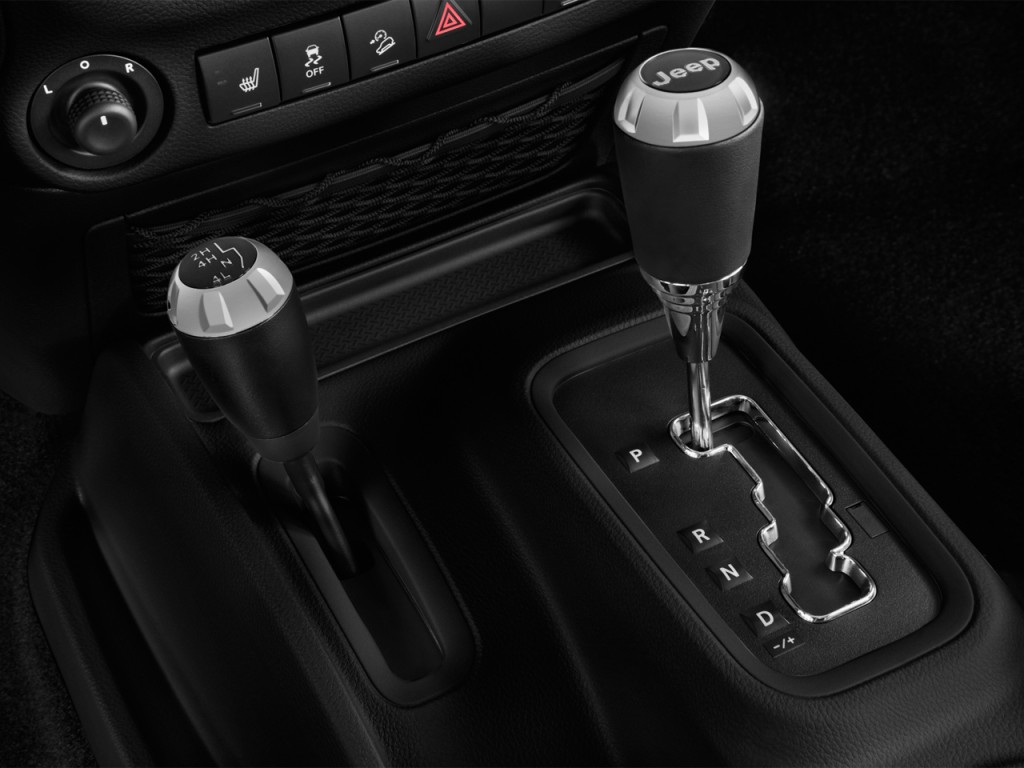
The 2017 Jeep Wrangler uses a part-time 4WD system with a lever on the floor. This system has several modes:
- 2H (Two-Wheel Drive High): For normal driving on dry, paved roads.
- 4H (Four-Wheel Drive High): For slippery, loose, or off-road conditions at normal speeds.
- N (Neutral): Used when towing the vehicle.
- 4L (Four-Wheel Drive Low): For deep snow, sand, mud, or slow, technical off-road use.
Unlike many modern SUVs with electronic switches, your Wrangler requires you to manually move the transfer case lever to engage 4WD.
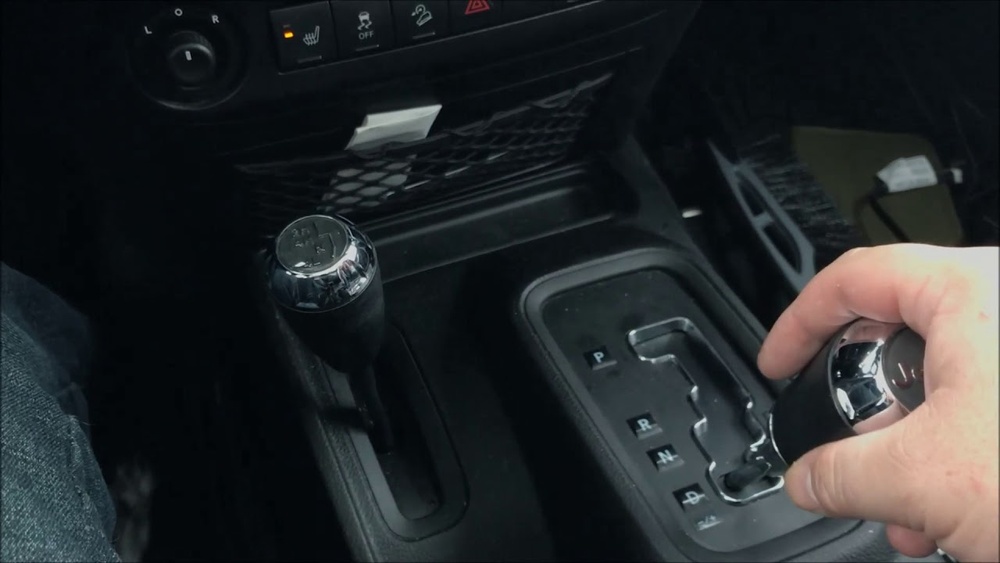
How To Put Your 2017 Jeep Wrangler In 4wd
Switching between modes is straightforward, but timing and technique matter. Here’s how to do it right:
Engaging 4h (four-wheel Drive High)
- While moving slowly (under 45 mph), take your foot off the gas.
- Pull the 4WD lever from 2H straight down to 4H.
- You may feel or hear a small ‘clunk’—this is normal.
- Continue driving. No need to stop or shift to Neutral.
Tip: Always engage 4H before you hit slippery terrain, not after you’re stuck.
Engaging 4l (four-wheel Drive Low)
- Bring your Jeep to a complete stop.
- Shift the transmission to Neutral (N).
- Firmly pull the transfer case lever from 4H to 4L.
- Wait for the indicator light to show you’re in 4L.
- Shift the transmission back to Drive (or 1st gear for manuals) and go.
Note: Never try to shift into 4L while moving. This can damage the transfer case.
Returning To 2h
- Slow down to under 45 mph.
- Move the lever back to 2H while driving straight.
- For 4L, stop the vehicle, shift to Neutral, then move the lever to 2H.

When Should You Use Each 4wd Mode?
Choosing the right mode keeps your Wrangler running smoothly and avoids unnecessary wear.
| Mode | Best Use | Speed Range |
|---|---|---|
| 2H | Dry pavement | 0–max speed |
| 4H | Rain, snow, gravel, sand | 0–55 mph |
| 4L | Mud, deep snow, rocks | 0–25 mph |
4H is perfect for winter roads or trails. 4L is for serious off-road or when you need extra control and torque.
Common Mistakes And How To Avoid Them
Many drivers make avoidable errors with 4WD:
- Engaging 4WD on dry roads: This can cause drivetrain binding and damage.
- Forgetting to return to 2H: Driving in 4WD on normal roads uses more gas and wears tires unevenly.
- Shifting to 4L at speed: Always stop first—shifting at high speed risks expensive repairs.
- Turning sharply in 4WD: Full-time sharp turns stress the drivetrain. Take wider turns when in 4WD.
Tips For Safe 4wd Use
- Shift before you need it: Anticipate changing road conditions and switch early.
- Maintain even speed: Sudden acceleration or braking can cause wheels to slip, even in 4WD.
- Service your transfer case: Change fluid as recommended in your owner’s manual.
- Practice in a safe place: Try switching modes in an empty lot so you’re confident before tackling tough trails.
Here’s a quick comparison of what you can and can’t do in each mode:
| Mode | Can Use on Pavement? | Can Shift While Moving? | Max Recommended Speed |
|---|---|---|---|
| 2H | Yes | Yes | Max |
| 4H | If slippery | Yes, under 45 mph | 55 mph |
| 4L | No | No (must stop) | 25 mph |
Two Advanced Insights Many Miss
- Tire size matters: If your tires are not the same size all around, the 4WD system can bind or get damaged. Always use four matching tires.
- Don’t ignore noises: Grinding or clunking when shifting means it’s time for a mechanic check—don’t hope it will go away.
Real-world Example
Imagine you’re driving up a snowy hill. If you wait until your wheels spin before shifting to 4H, you might already be stuck. Engage 4H before the hill, and you’ll likely make it up smoothly.
What To Do If 4wd Won’t Engage
If the lever feels stuck or the dash light doesn’t show 4WD, try:
- Rolling the vehicle slightly while shifting
- Making sure you’re in Neutral for 4L
- Checking for warning lights
If problems continue, a visit to your dealer or a trusted mechanic is best. The owner’s manual gives more troubleshooting tips and specs.

Frequently Asked Questions
How Fast Can I Drive In 4wd On My 2017 Jeep Wrangler?
You can drive up to 55 mph in 4H. In 4L, keep it under 25 mph. Driving faster can damage the drivetrain.
Can I Switch From 2h To 4h While Moving?
Yes, you can shift from 2H to 4H while moving at speeds below 45 mph. For 4L, you must stop and shift to Neutral first.
Is It Safe To Use 4wd On Dry Pavement?
No, using 4WD on dry pavement can cause drivetrain binding. Only use it on slippery or loose surfaces.
Why Is My 4wd Light Flashing Or Not Coming On?
The flashing light means the system hasn’t engaged fully. Try rolling slightly or shifting to Neutral for 4L. If the problem continues, consult a mechanic or the manual.
Where Can I Find More Detailed Technical Info?
Check your owner’s manual or visit Jeep’s official site for detailed specs and support.
Driving a 2017 Jeep Wrangler in 4WD is simple once you know how. Follow these steps, avoid common mistakes, and you’ll be ready for almost any road or trail. Practice in safe places so you’re prepared when it really matters. With the right knowledge, you and your Jeep can go just about anywhere.