If you own a 2016 Jeep Wrangler, knowing how to use its 4WD system is important for driving in mud, snow, sand, or rough roads. Many Jeep drivers use 4WD for adventure, but some are unsure how to switch modes correctly. Using the system wrong can cause damage or make your Jeep hard to control. This guide will show you step-by-step how to put your Jeep Wrangler in 4WD, explain key terms, and help you avoid common mistakes.
Understanding The 2016 Jeep Wrangler 4wd System
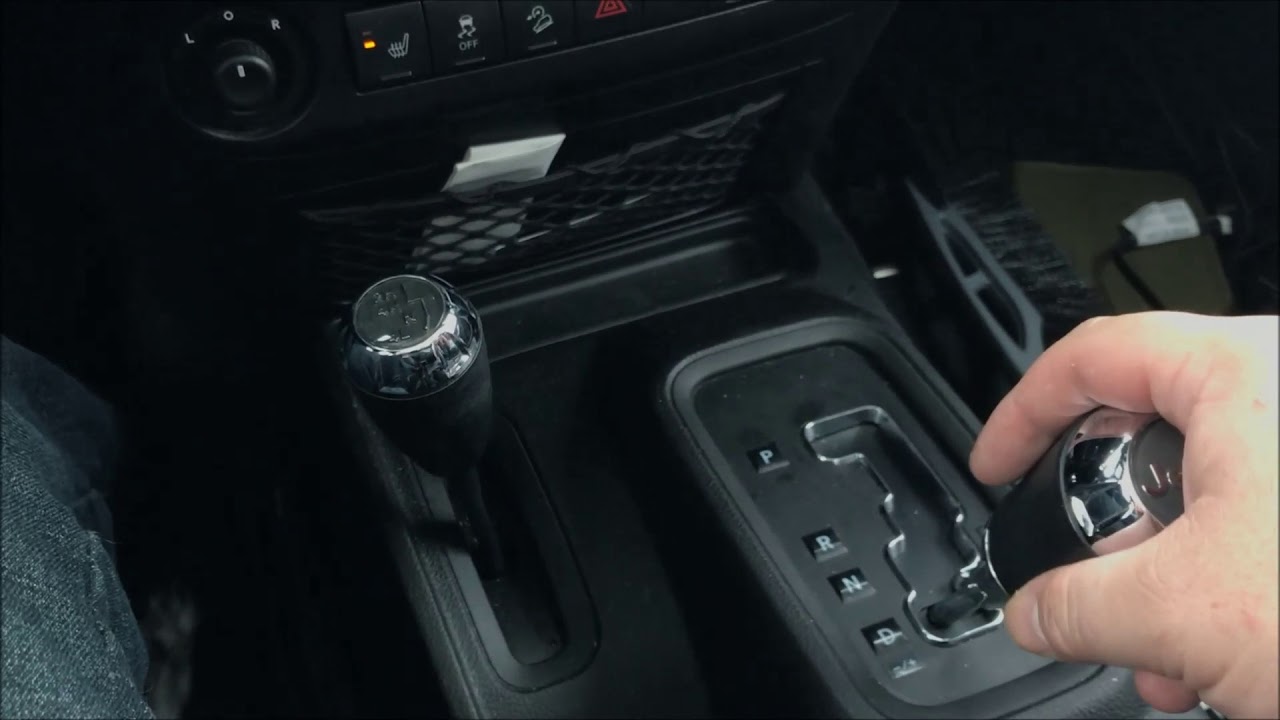
The 2016 Jeep Wrangler uses a part-time 4WD system called Command-Trac. This means you have to choose when to use 4WD—it’s not automatic. The Wrangler has a transfer case lever between the front seats. This lever lets you pick between four main modes:
- 2H (Two-Wheel Drive High): Everyday driving, only rear wheels get power.
- 4H (Four-Wheel Drive High): For slippery roads, mud, sand, or snow.
- N (Neutral): No power to wheels—only used for towing.
- 4L (Four-Wheel Drive Low): For deep mud, steep hills, or tough off-road.
How To Put Your 2016 Jeep Wrangler In 4wd
Switching to 4WD is not hard, but you need to follow the right steps to protect your vehicle.

Switching To 4h (four-wheel Drive High)
- Slow Down: Drive under 55 mph before shifting.
- Move the Lever: Keep your Jeep moving forward. Pull the transfer case lever from 2H to 4H.
- Hear the Click: You’ll feel or hear a click. This means 4H is engaged.
- Check the Dash: A light on the dashboard will show you’re in 4WD.
You can shift between 2H and 4H while driving, but always slow down.
Going To 4l (four-wheel Drive Low)
- Stop the Jeep: Come to a complete stop.
- Shift to Neutral: Move the gear shift to N (neutral).
- Apply the Brake: Keep your foot on the brake.
- Move the Lever: Firmly pull the transfer case lever from 4H to 4L.
- Wait for Engagement: You might feel a strong click. This means 4L is active.
- Return to Drive: Put the gear shift back to D (drive) or R (reverse).
4L is for very slow, tough situations—never use it on dry pavement.
Returning To 2h
- Stop or Slow Down: For best results, slow to under 3 mph.
- Shift to Neutral: Move gear shift to N.
- Move the Lever: Push the transfer case lever back to 2H.
- Check the Dash: The 4WD light should turn off.

When Should You Use 4wd Modes?
Using the right mode helps your Jeep perform better and stay safe.
- 2H: For dry roads and normal driving.
- 4H: For wet, icy, or loose surfaces.
- 4L: For steep climbs, deep mud, or rocky paths.
Never use 4H or 4L on dry pavement this can damage your Jeep’s drivetrain.
Data: 4wd Mode Performance
Here’s how the modes compare for speed and terrain:
| Mode | Recommended Speed | Best Terrain |
|---|---|---|
| 2H | Up to 100 mph | Dry pavement |
| 4H | Up to 55 mph | Snow, mud, sand |
| 4L | Under 25 mph | Deep mud, rocks, steep hills |

Common Mistakes Jeep Owners Make
Many beginners damage their Jeep by making simple mistakes. Here are two you should avoid:
- Shifting to 4L at High Speed: Never try to shift to 4L while moving fast. This can break your transfer case.
- Using 4WD on Dry Roads: 4WD is for slippery or uneven surfaces. Using it on dry pavement causes tire wear and damages the drivetrain.
Another mistake is forgetting to check if the 4WD indicator light is on after shifting. Always look for the light to confirm the mode.
Tips For Smooth 4wd Operation
Follow these tips to keep your Jeep’s 4WD system working well:
- Shift slowly and firmly—don’t force the lever.
- Keep tires at the right pressure for better grip.
- Practice shifting at home before going off-road.
- Listen for unusual noises after shifting; if you hear grinding, stop and check the system.
Example: Driving In Snow
Imagine you’re driving your 2016 Jeep Wrangler and hit heavy snow. You slow down to 40 mph, shift the transfer case lever to 4H, and see the 4WD light. Now your Jeep gets power to all four wheels, so you have more control and less chance of sliding. If you hit a steep, icy hill, stop, shift to neutral, move to 4L, and climb slowly.
Comparison: 2016 Jeep Wrangler Vs. Other Models
Here’s a quick look at how the 2016 Wrangler’s 4WD compares to other vehicles:
| Vehicle | 4WD Type | Shifting Method |
|---|---|---|
| 2016 Jeep Wrangler | Part-time | Manual lever |
| 2016 Toyota 4Runner | Full-time | Electronic switch |
| 2016 Ford F-150 | Part-time | Electronic dial |
This shows the Wrangler uses a manual lever, which gives you more control but needs careful use.
Troubleshooting: When 4wd Won’t Engage
If your Jeep won’t go into 4WD:
- Make sure you’re following the correct steps.
- Check if your tires are the same size.
- Look for warning lights on the dash.
- If you hear grinding, stop and check for damage.
Sometimes, a sticky lever or low transfer case fluid can cause problems. If you can’t fix it, ask a mechanic.
For more technical details, visit the official Jeep site: Jeep Wrangler.
Frequently Asked Questions
How Do I Know If My Jeep Is In 4wd?
Check the dashboard indicator light. When you shift to 4H or 4L, a 4WD light should come on.
Can I Shift Into 4wd While Driving?
You can shift from 2H to 4H while moving below 55 mph. For 4L, stop and shift to neutral first.
Is It Bad To Use 4wd On Dry Pavement?
Yes, using 4WD on dry roads stresses the drivetrain and tires. Only use 4WD on slippery or uneven surfaces.
Why Does My Jeep Make Noise When Shifting To 4wd?
A little noise is normal, but loud grinding means a problem. Make sure you’re at the right speed and gear. If noise continues, see a mechanic.
How Often Should I Use 4wd?
Use 4WD only when needed—like in mud, sand, or snow. Using it too much can wear parts faster.
With the right steps, your 2016 Jeep Wrangler will handle tough roads easily. Practice shifting before you need it, and take care of your Jeep for safe adventures.