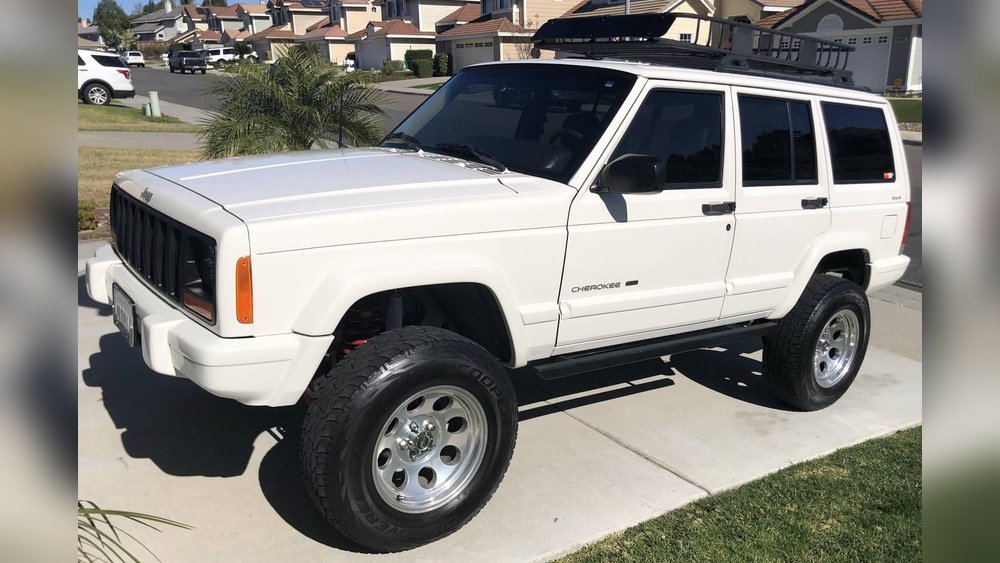
If you drive a 2000 Jeep Cherokee, you probably enjoy its rugged design and reliability. But knowing how and when to use the 4WD system is crucial—especially if you want to avoid mistakes that can damage your SUV or leave you stuck. Many owners wonder if they need to stop the vehicle to shift, or if they can go into 4WD on the fly. Let’s break down the steps, explain common issues, and share tips that go beyond the basics, so you can use your Cherokee’s 4WD confidently.
Understanding Your Jeep Cherokee’s 4wd System
The 2000 Jeep Cherokee usually comes with a Command-Trac or Selec-Trac 4WD system. Each works a little differently:
- Command-Trac: Part-time 4WD, best for off-road or slippery roads. Don’t use on dry pavement.
- Selec-Trac: Full-time and part-time 4WD options. You can use full-time mode on all road types.
Knowing which system you have is important, because the shifting method and when to use 4WD will differ. You’ll find a label near the 4WD lever in your Jeep, or you can check your owner’s manual.
When Should You Use 4wd?
4WD isn’t for every situation. Use it when:
- Roads are covered with snow, mud, or sand
- You’re off-roading
- You need extra traction on steep or loose surfaces
Don’t use part-time 4WD on dry, hard roads—this can damage your drivetrain.
Steps To Put Your 2000 Jeep Cherokee In 4wd
Switching to 4WD is simple, but following the right steps avoids common mistakes.
1. Prepare Your Vehicle
- Check your speed. For most situations, you should be under 55 mph.
- Keep the vehicle in Drive (automatic) or 2nd/3rd gear (manual).
2. Locate The 4wd Lever
The 4WD lever is near the transmission shifter. It usually has these positions:
- 2H (2WD High)
- 4H (4WD High)
- N (Neutral)
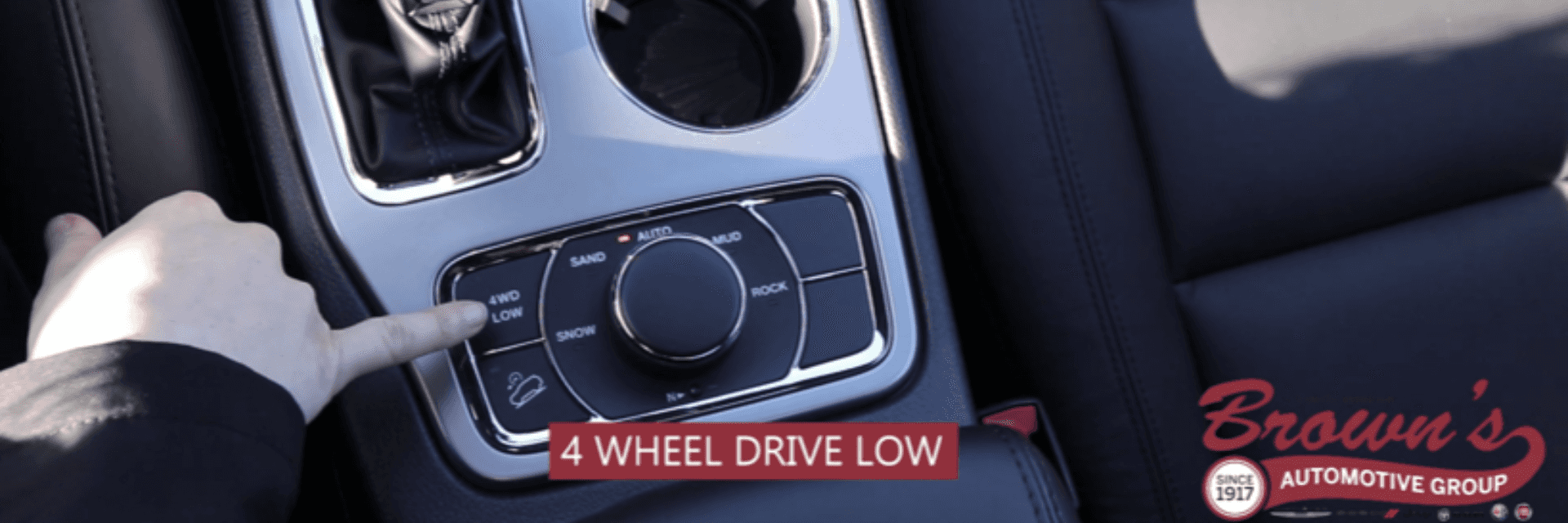
- 4L (4WD Low)
3. Shifting From 2h To 4h (4wd High)
- Slow down to below 55 mph.
- Move the 4WD lever from 2H to 4H. You do not need to stop; this is called “shift-on-the-fly.”
- You’ll feel a gentle clunk as the transfer case engages.
- A 4WD indicator may light up on your dash.
Practical tip: If the lever feels stuck, put the transmission in Neutral, then try shifting again.
4. Shifting To 4l (4wd Low)
Use 4L only when you need maximum power at low speed (deep mud, climbing rocks):
- Stop the vehicle completely.
- Put the transmission in Neutral.
- Firmly pull the 4WD lever from 4H to 4L.
- Shift the transmission back to Drive or 1st gear.
Never use 4L at speeds above 25 mph it’s for crawling, not highway driving.
5. Returning To 2wd
- Slow down to below 55 mph.
- Move the lever from 4H to 2H while driving straight.
- For 4L, stop the vehicle, shift to Neutral, and move from 4L to 4H, then to 2H.
Overlooked detail: Always drive a few feet in reverse after disengaging 4WD. This helps unlock the front axle and prevents “wind-up.”
Common Problems And Troubleshooting
Even with a solid system, issues can happen. Here’s a quick comparison of symptoms and possible causes:
| Problem | Likely Cause | Quick Fix |
|---|---|---|
| 4WD won’t engage | Stuck linkage, low fluid | Check lever, inspect fluid |
| Grinding noise | Shifting at high speed | Shift at lower speed |
| 4WD light stays on | Sensor issue | Reset or inspect sensor |
Insider tip: If your wheels bind or hop during tight turns, you’re probably using 4WD on dry pavement. Go back to 2WD.
4wd System Comparison: Command-trac Vs. Selec-trac
If you’re not sure which system you have, here’s how they compare:
| Feature | Command-Trac | Selec-Trac |
|---|---|---|
| Part-time 4WD | Yes | Yes |
| Full-time 4WD | No | Yes |
| Use on pavement | No | Yes (Full-time only) |
| 4WD Low | Yes | Yes |
Maintenance Tips For Smooth 4wd Operation
- Check transfer case fluid every 30,000 miles.
- Lubricate the linkage if the lever feels stiff.
- Listen for strange noises after shifting.
- Test 4WD every few months, even if you don’t use it often.
Extra advice: If you haven’t used 4WD in a while, engage it briefly on a safe, slippery surface. This keeps parts moving smoothly.

Key Mistakes To Avoid
- Engaging 4WD on dry roads: This stresses your drivetrain.
- Shifting to 4L while moving: Always stop first.
- Forgetting to shift back to 2WD after leaving slippery terrain: This saves fuel and reduces wear.
- Ignoring regular maintenance: Low fluid or worn parts can lead to expensive repairs.
Quick Reference: 4wd Shift Patterns
Here’s a simplified chart for most 2000 Jeep Cherokees:
| Situation | Recommended Mode | Action |
|---|---|---|
| Normal driving | 2H | Use 2WD |
| Snow/ice, mud, gravel | 4H | Shift to 4H under 55 mph |
| Deep mud, off-road crawling | 4L | Stop, shift to Neutral, then 4L |
For more details about Jeep 4WD systems, see the official Jeep 4×4 Systems Guide.

Frequently Asked Questions
Can I Shift My 2000 Jeep Cherokee Into 4wd While Driving?
Yes, you can shift from 2H to 4H while moving under 55 mph. For 4L, always stop first.
How Do I Know If My 4wd Is Working?
A dash light usually indicates engagement. You might also feel a change in steering or hear a click as 4WD engages.
Is It Bad To Drive In 4wd All The Time?
Yes, if you use part-time 4WD on dry pavement, it can damage your drivetrain. Only use full-time 4WD (Selec-Trac) on all surfaces.
What If The 4wd Lever Gets Stuck?
Try shifting the transmission to Neutral and gently wiggle the lever. If it’s still stuck, the linkage may need lubrication or repair.
How Often Should I Service My 4wd System?
Check the transfer case fluid every 30,000 miles and test the system every few months, even if you rarely use it.
Mastering the 4WD system in your 2000 Jeep Cherokee is about more than just pulling a lever. With the right knowledge, you’ll tackle tough roads safely and avoid common pitfalls. A little practice and routine care will keep your Jeep ready for whatever the road throws your way.