Replacing a fuel pump is a task many car owners face, especially as vehicles age. But simply installing the new pump isn’t enough. You must prime the fuel pump to ensure your engine starts smoothly and runs safely. Priming removes air from the fuel lines and allows the pump to deliver fuel efficiently. If this step is skipped or done incorrectly, your engine may struggle to start, stall, or even suffer damage. Priming may sound technical, but with the right steps, anyone can do it. This guide explains exactly how to prime a fuel pump after replacement, with clear instructions and practical insights.
Why Priming Matters
A fuel pump is the heart of your car’s fuel system. It delivers fuel from the tank to the engine. After replacement, air enters the lines and filter, which interrupts proper fuel flow. Priming removes this air and fills the system with fuel. Without priming, your car may:
- Fail to start
- Run rough
- Trigger warning lights
- Damage injectors or pump
According to the National Highway Traffic Safety Administration, fuel system issues account for over 15% of vehicle breakdowns in the US. Proper priming reduces the risk of costly repairs and improves reliability.
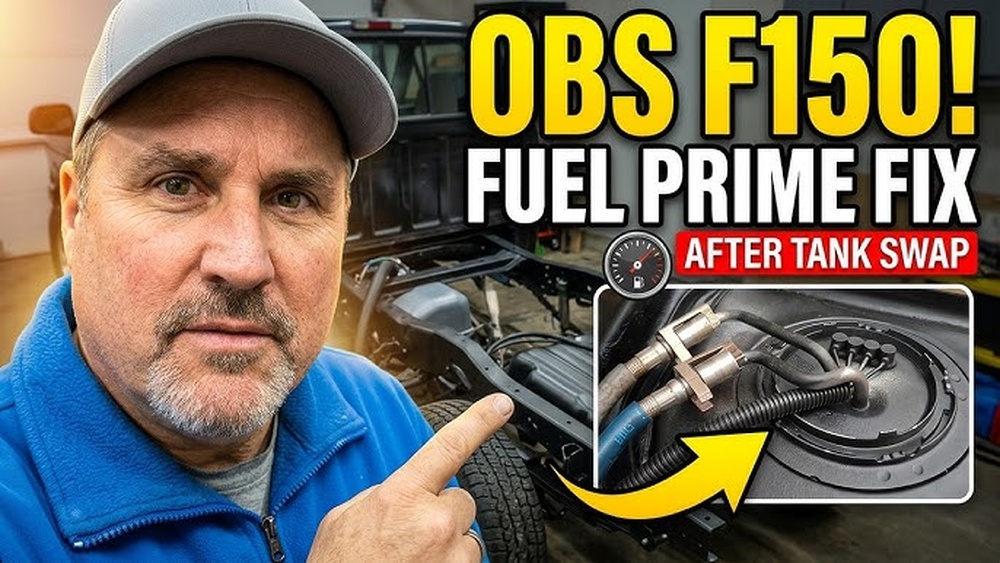
Step-by-step Guide To Priming The Fuel Pump
Follow these steps to prime your fuel pump correctly:
- Turn the ignition key to “ON” (not “START”)
- This activates the fuel pump without starting the engine.
- Wait for 5-10 seconds, then turn the key to “OFF.”
- Repeat the process 3-5 times
- Each cycle allows the pump to push fuel through the lines, removing air.
- Listen for the pump’s humming sound; this means it’s working.
- Check for leaks
- Inspect the connections and hoses for any fuel leaks.
- If you spot leaks, fix them before continuing.
- Start the engine
- Once primed, start the car. It may take a few seconds for the engine to fire up.
- If it doesn’t start, repeat the priming cycles.
- Monitor engine performance
- Let the engine idle for 2-5 minutes.
- Watch for stalling, rough idling, or unusual noises.
Practical Example: Priming A Honda Accord
Let’s say you replaced the fuel pump in a Honda Accord:
- Insert key, turn to “ON” for 10 seconds, then “OFF.”
- Repeat four times.
- Check for leaks under the car.
- Start the engine. If it runs smoothly, priming is successful.
Priming Methods Compared
Different cars and pumps require slightly different priming techniques. Here’s a comparison:
| Priming Method | Best For | Difficulty | Success Rate |
|---|---|---|---|
| Ignition Cycling | Modern cars with electric pumps | Easy | High |
| Manual Pumping | Older cars, external pumps | Medium | Moderate |
| Scan Tool Activation | Newer cars (with OBD-II tools) | Hard | Very High |
Most drivers use ignition cycling because it’s simple and effective for electric fuel pumps.
Common Mistakes And How To Avoid Them
Many beginners make mistakes when priming a fuel pump. Here are the most frequent errors:
- Skipping leak checks: Always check for leaks before starting the engine.
- Not repeating the cycle: Priming once is usually not enough; repeat 3-5 times.
- Starting engine too soon: Give the pump time to fill the lines.
- Ignoring warning lights: If the dashboard shows a fuel system error, address it before driving.
A non-obvious tip: If your car has a fuel filter, replace it along with the pump. A clogged filter can block fuel and make priming ineffective.

Fuel Pump Types And Priming Needs
Not all fuel pumps prime the same way. Here’s a quick comparison:
| Fuel Pump Type | Priming Required? | Recommended Method |
|---|---|---|
| Electric In-Tank | Yes | Ignition Cycling |
| Mechanical (Carburetor) | Sometimes | Manual Pumping |
| External Electric | Yes | Scan Tool or Ignition Cycling |
Always check your vehicle’s manual for the recommended priming process.
Safety Precautions
Working with fuel systems can be dangerous. Follow these safety tips:
- Wear gloves and goggles
- Work in a well-ventilated area
- Keep fire extinguishers nearby
- Never smoke or use open flames
- Dispose of fuel-soaked materials safely
A surprising insight: Static electricity can ignite fuel vapors. Always ground yourself before touching fuel components.

How To Know If Priming Was Successful
After priming, your car should:
- Start easily
- Idle smoothly
- Show no warning lights
- Have no fuel leaks
If you notice any problems, repeat the priming process or consult a mechanic. For detailed troubleshooting, the Autotrader Guide offers additional advice.
Frequently Asked Questions
How Long Does It Take To Prime A Fuel Pump?
Priming usually takes 2-5 minutes. The process depends on your car and the method used, but most drivers finish within this time.
Can I Prime The Fuel Pump Manually?
Yes, some cars with mechanical pumps or external electric pumps can be primed manually by pumping a lever or using a scan tool.
What If My Car Still Won’t Start After Priming?
Check for fuel leaks, verify the pump installation, and ensure all connections are tight. If issues persist, consult a mechanic.
Is Priming Needed After Every Fuel Pump Replacement?
Absolutely. Priming is essential after any fuel pump or fuel filter change to prevent air locks and engine problems.
Will Priming Fix A Clogged Fuel Filter?
No. Priming only removes air. If your fuel filter is clogged, replace it before priming the pump.
Priming your fuel pump after replacement is a crucial step for reliable vehicle performance. With careful attention to detail and safety, you can ensure your car runs smoothly and avoid costly repairs down the road.



















