Measuring lift on your Jeep JK is more than just checking if it sits higher than stock. Whether you’re upgrading for off-road performance or just want a more aggressive look, knowing the exact lift height is important.
It helps you choose the right tires, correct alignment, and avoid problems with driveshafts or suspension. Many Jeep owners make mistakes when measuring, leading to confusion and unexpected issues.
This guide explains the best ways to measure lift, what to watch out for, and how to compare results to factory specs.
Understanding Lift On Jeep Jk
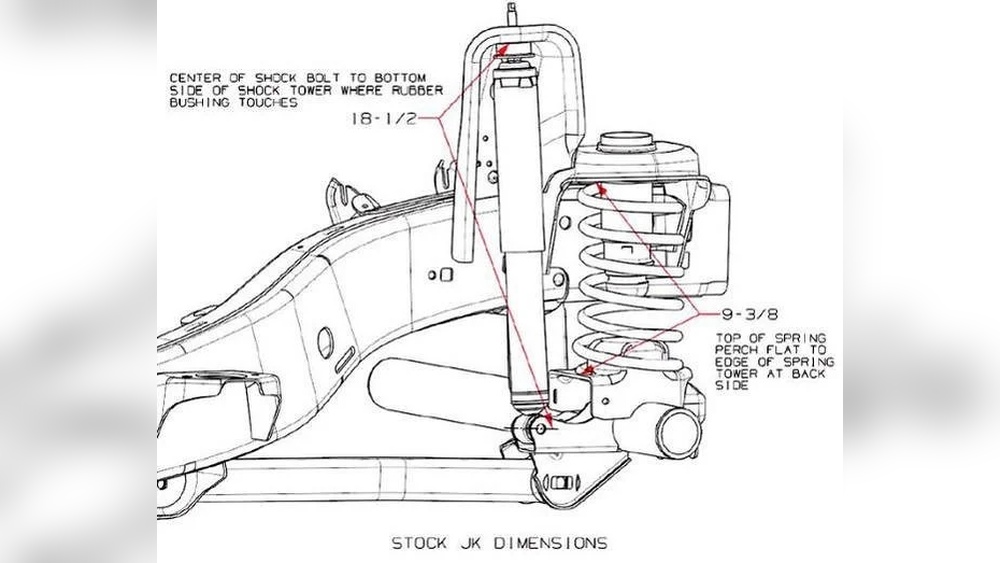
Lift refers to the increase in height between your Jeep’s chassis and the ground, usually after installing a suspension kit or spacers. For the Jeep JK, the most common lifts are between 2” and 4”. The real measurement depends not only on the kit, but also on factors like worn springs, heavy bumpers, and tire size.
Factory Ride Height
Before measuring lift, you need to know the factory ride height. The stock Jeep JK has standard measurements from the center of the wheel to the bottom of the fender. Here are typical values for a stock 2-door JK:
| Position | Stock Height (inches) |
|---|---|
| Front (wheel center to fender) | 18.5 |
| Rear (wheel center to fender) | 18.0 |
These numbers are a baseline. If your Jeep has worn springs or heavy accessories, your actual height may differ.
Tools And Preparation
You don’t need expensive tools, but accuracy is key. Before measuring, park your Jeep on a flat surface and make sure it’s empty (no gear or passengers). You’ll need:
- Tape measure (preferably in inches)
- Flat, level ground
- Pen and paper for recording
Some owners use digital calipers or laser levels for precision, but a tape measure works well.

How To Measure Lift Step-by-step
Here’s a practical way to measure lift on your Jeep JK:
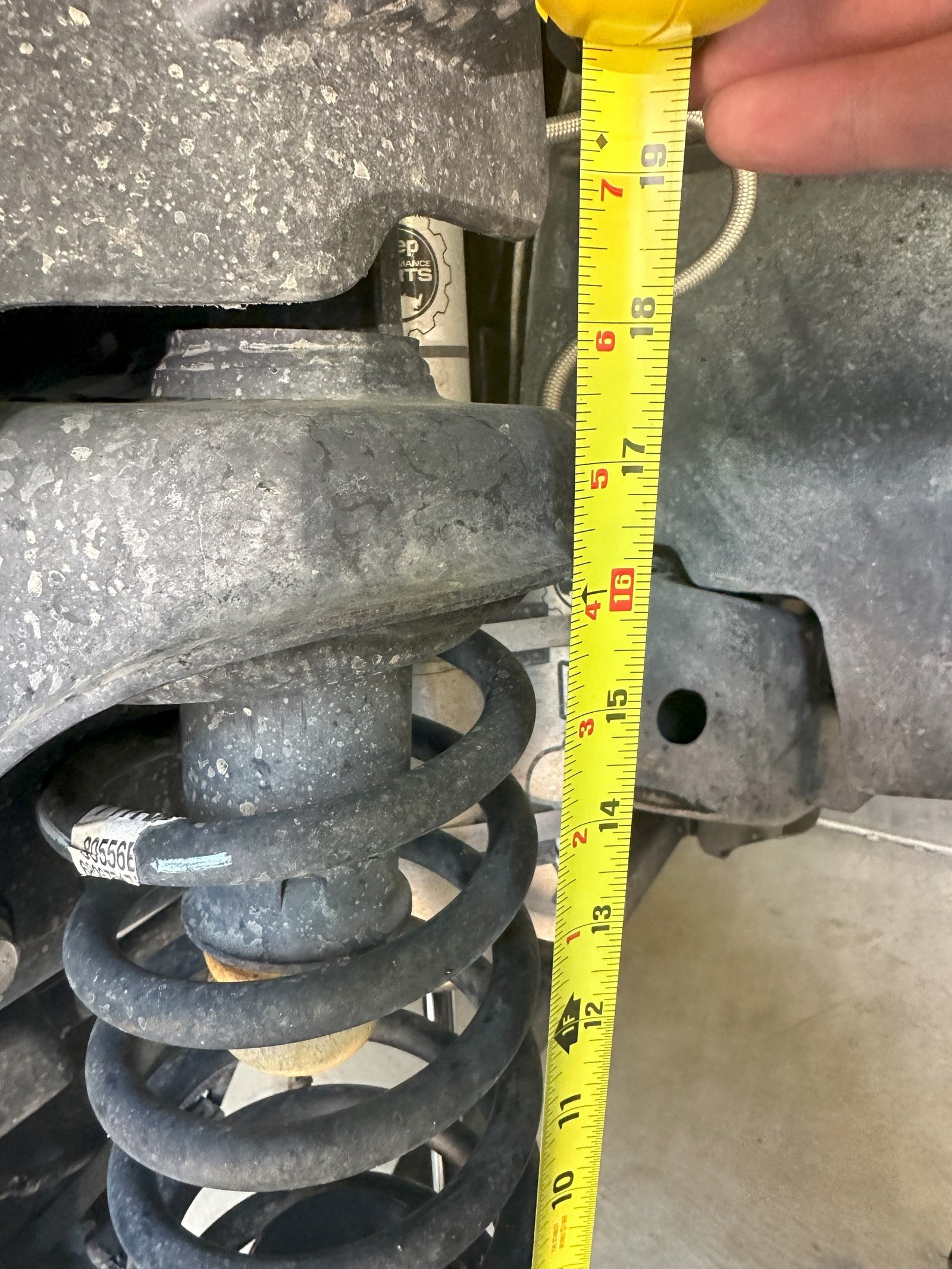
- Measure from the wheel center to the fender edge: This is the most reliable method because tire size does not affect the measurement.
- Record the values for both front and rear wheels.
- Compare your numbers to the factory values from the earlier table.
- Subtract the stock height from your current measurement to get the lift.
For example, if your front wheel center to fender measures 21 inches and the factory value is 18. 5 inches, your lift is 2. 5 inches.
| Position | Measured Height (inches) | Stock Height (inches) | Lift (inches) |
|---|---|---|---|
| Front | 21.0 | 18.5 | 2.5 |
| Rear | 20.5 | 18.0 | 2.5 |
Measuring With Tire Changes
If you have bigger tires, measuring from the ground to the fender will include the tire’s height. This can be misleading. Always measure from the wheel center to avoid confusion.
Non-obvious Factors That Affect Lift Measurements
Many Jeep owners overlook these details:
- Weight changes: Heavy bumpers, winches, roof racks, or extra gear can compress springs and reduce lift. Measure after adding accessories.
- Spring wear: Old springs sag over time, so your lift may be less than expected.
- Uneven surfaces: Measuring on a slope can change results by up to half an inch.
Another insight: The left and right sides of your Jeep may not be identical, especially after years of use. Measure both sides for accuracy.
Comparing Lift Kits And Results
Not all lift kits deliver the exact height they promise. Here’s a comparison of common kit types:
| Lift Kit Type | Advertised Lift (inches) | Typical Real Lift (inches) | Notes |
|---|---|---|---|
| Spring-only | 2.0 | 1.5–2.0 | May settle after months |
| Spacer | 2.0 | 2.0 | Consistent, but no ride improvement |
| Full suspension | 3.0–4.0 | 2.5–4.0 | Depends on weight and setup |
Always check your actual lift height after installation. Kits can settle or change with weight and use.
Common Mistakes And How To Avoid Them
- Measuring from the ground to the fender with oversized tires.
- Forgetting to measure both sides for differences.
- Not checking after adding heavy gear or accessories.
- Using a sloped driveway instead of a flat surface.
- Ignoring spring wear and age.
By following the correct steps, you avoid surprises and keep your Jeep safe and capable.
Why Measuring Lift Matters
Knowing your Jeep JK’s lift height is important for several reasons:
- Choosing the right tire size without rubbing.
- Ensuring proper steering and suspension alignment.
- Avoiding issues with driveshaft angles and stability.
- Keeping your vehicle legal and safe for the road.
Many states have laws about maximum lift, so accurate measurements help you stay compliant.
For more technical details about Jeep suspension, you can visit Wikipedia’s Jeep Wrangler page.
Frequently Asked Questions
How Often Should I Measure My Jeep Jk’s Lift?
You should check after installing new suspension, changing tires, adding heavy accessories, or once a year. Springs can sag over time.
Does Measuring Lift Include Tire Size?
No, the correct way is from the wheel center to the fender. Tire size only affects ground-to-fender measurements.
Can I Use A Digital Level Or Laser Tool?
Yes, digital tools can improve accuracy, but a tape measure on a flat surface is usually enough.
What If My Lift Is Uneven From Left To Right?
This is common due to weight distribution or spring wear. Measure both sides and average the numbers.
If the difference is large, check for mechanical issues.
Is There A Maximum Lift Height For Legal Road Use?
Laws vary by state. Many limit lift height for safety.
Check your local regulations before going higher than 3 4 inches.
Measuring lift on your Jeep JK is simple, but it requires care and attention to detail. When you know your true lift height, you can make smarter choices for tires, suspension, and accessories, keeping your Jeep ready for adventure.