If you love your Jeep but want a smoother ride, you’re not alone. Many Jeep owners enjoy the rugged look and off-road power, but wish their daily drive felt less bumpy and noisy. The good news? You can make your Jeep ride smoother with a few smart changes. Whether you drive a Wrangler, Cherokee, or Grand Cherokee, these tips can help you enjoy comfort without losing Jeep’s adventurous spirit.
Understanding Why Jeeps Ride Rough
Jeeps are built to handle tough terrain. Their solid axles, short wheelbase, and all-terrain tires are great for rocks and mud, but not for city streets. This design often means you feel every bump and crack. If you use your Jeep mostly on highways or city roads, you may notice more vibration, noise, and harshness compared to other SUVs.
Upgrade Your Tires
Your tires are the first part of your Jeep that touches the road. Off-road or mud tires have deep treads and stiff sidewalls, which can make your ride feel hard.
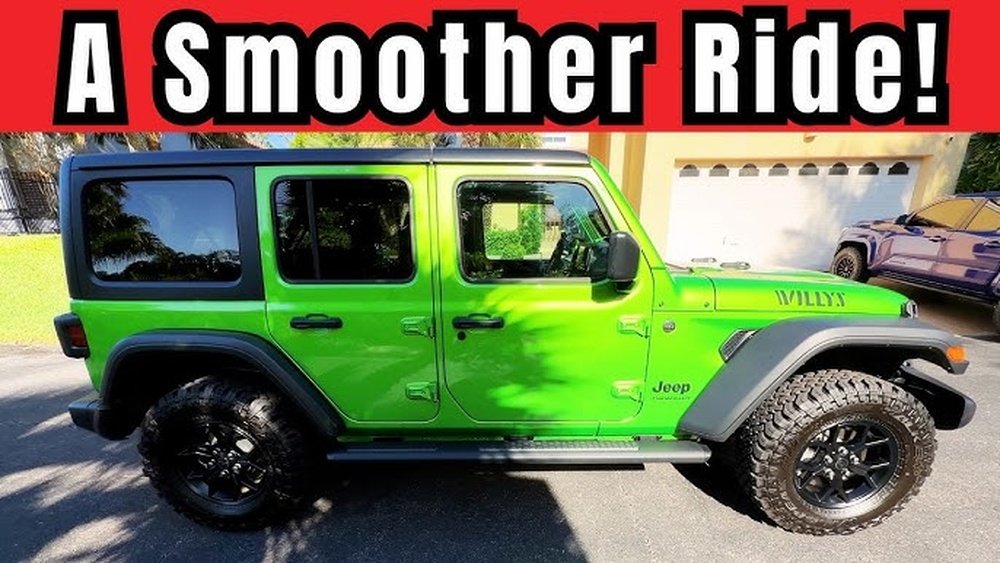
- Choose all-season or highway tires if you drive mostly on roads. These tires have softer rubber and smoother tread patterns.
- Keep your tires properly inflated. Overinflated tires make bumps worse. Use your Jeep’s manual to check the right pressure.
- Balance and align your tires every 5,000–7,000 miles. Unbalanced tires cause vibration.
| Tire Type | Comfort Level | Noise |
|---|---|---|
| All-Terrain | Medium | Medium-High |
| Highway | High | Low |
| Mud-Terrain | Low | High |
Insight: Many Jeep owners forget that switching to road-focused tires can improve comfort more than changing suspension parts.
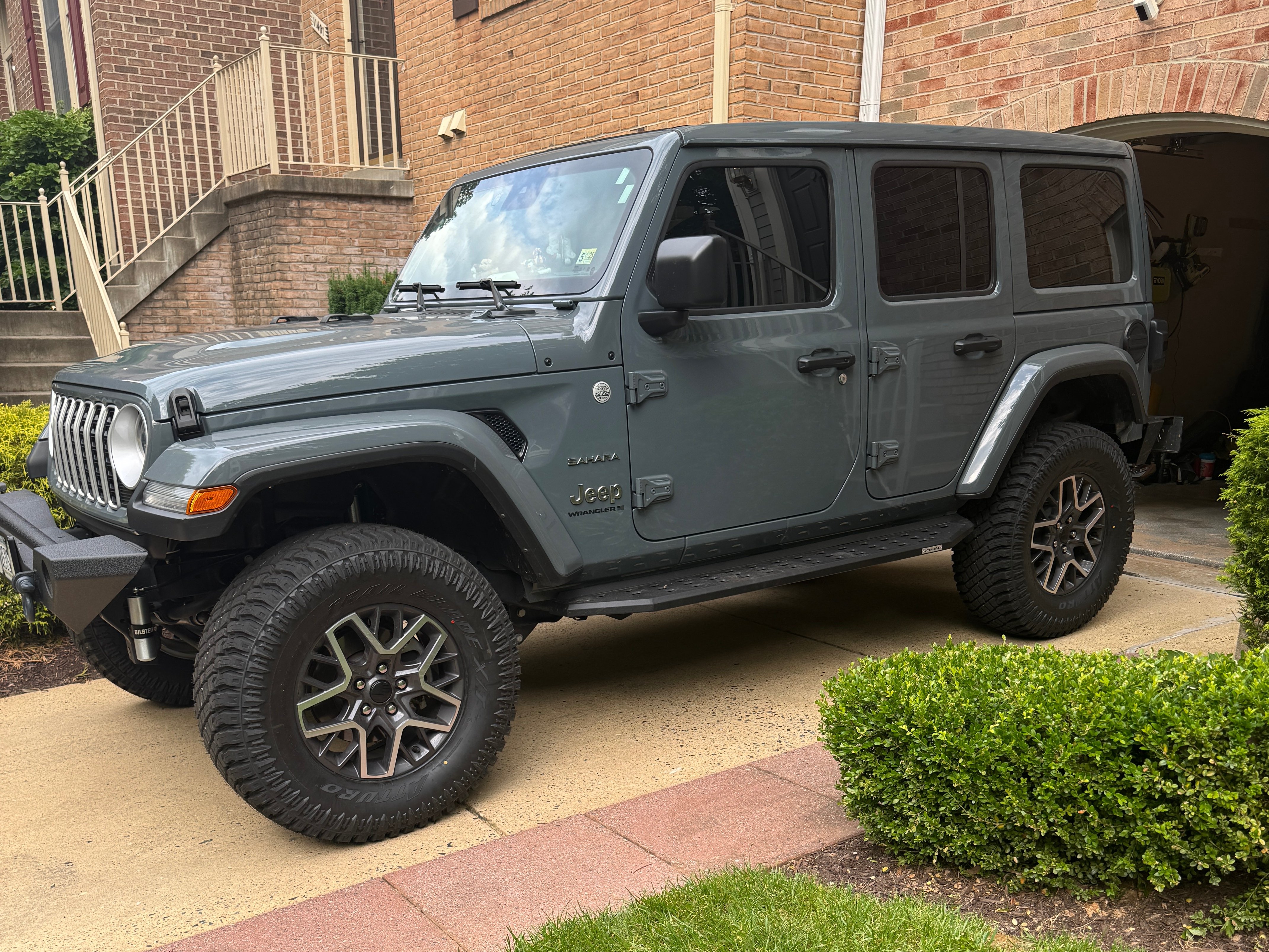
Upgrade Suspension Components
The suspension system absorbs shocks from bumps and potholes. If you want a softer ride:
- Install softer shocks or twin-tube shocks designed for comfort, not just off-road.
- Consider progressive-rate springs that adapt to both small bumps and big impacts.
- Replace worn bushings with rubber instead of polyurethane. Rubber absorbs vibration better.
- Avoid extreme lift kits. High lifts may look cool but make Jeeps less stable and much stiffer.
| Suspension Part | Comfort Impact | Cost Range |
|---|---|---|
| Shocks | High | $150–$600 |
| Springs | Medium | $200–$700 |
| Bushings | Low-Medium | $50–$200 |
Non-obvious tip: Many people upgrade to firmer off-road shocks, thinking they help. In fact, these often make daily driving less comfortable.
Adjust Driving Habits
Sometimes, you can avoid rough rides by changing how you drive.
- Slow down for speed bumps and potholes. Fast driving makes bumps feel worse.
- Avoid overloading your Jeep. Extra weight puts stress on the suspension and tires.
- Use the lowest gear only when necessary. High RPMs can make the ride more jerky.
Key insight: Many Jeep drivers forget that small changes in speed and route can make a big difference in comfort.
Soundproofing And Interior Upgrades
Jeeps can be noisy due to their design. Reducing noise can make the ride feel smoother, even if the road isn’t perfect.
- Add sound-deadening mats under the carpet and in the doors.
- Use thicker floor mats to block road noise.
- Replace old door seals and window gaskets to stop wind noise.
Some owners install better seats with more cushion and lumbar support. This helps your back and legs feel less tired on long drives.
Regular Maintenance Matters
A bumpy ride is sometimes caused by worn parts. Regular checks can prevent small problems from becoming bigger.
- Inspect shocks, struts, and bushings every 12,000 miles.
- Grease suspension joints if your Jeep has grease fittings.
- Check for loose bolts in the suspension and frame.
Overlooked detail: Even a small loose bolt or old bushing can create big vibrations and rattles.

Consider Air Suspension Kits
If you want the ultimate comfort, air suspension kits can be a solution. These systems let you adjust your Jeep’s height and softness with the push of a button. While not cheap, they offer the best of both worlds: off-road power and smooth highway comfort.
Important: Air suspension kits need expert installation and regular care. If you love DIY, be sure to read guides and watch videos from trusted sources like Jeep’s official site.
Frequently Asked Questions
What Tire Pressure Is Best For A Smooth Jeep Ride?
Keep your tires at the recommended pressure in your owner’s manual. For most Jeeps, this is between 32 and 36 psi. Too much pressure causes a stiff ride, while too little can damage the tires.
Should I Switch To Smaller Wheels For Comfort?
Yes, smaller wheels with taller tires absorb bumps better. Large wheels with low-profile tires look sporty but make rides rougher.
Will Removing My Lift Kit Help?
If your Jeep has a very tall lift kit, removing or lowering it can improve comfort. High lifts change the suspension geometry, making the ride stiffer.
How Often Should I Replace Shocks?
Replace shocks every 50,000–70,000 miles or if you notice extra bouncing, leaking fluid, or uneven tire wear.
Is Air Suspension Worth The Cost?
Air suspension gives the smoothest ride but is expensive (often $1,000+). It’s best for those who want maximum comfort and adjustability.
Making your Jeep ride smoother is possible with the right changes. Start with your tires and suspension, and don’t ignore the small details like soundproofing and regular maintenance. Most upgrades pay off every time you drive. With a few smart choices, you can enjoy both the adventure and the comfort your Jeep deserves.




