Owning a Jeep YJ is all about adventure, but its ride can feel rough—especially on city roads or long highway drives. Many YJ owners love the ruggedness off-road, but want more comfort for daily use. The good news: you can make your Jeep YJ ride much smoother without losing its classic charm. This guide covers practical steps, smart upgrades, and expert tips to help you transform your driving experience.
Understanding Why The Jeep Yj Rides Rough
The Jeep YJ (1987–1995) is famous for its tough build and off-road capability. However, it uses leaf spring suspension, which is less forgiving than the coil spring setups in newer Jeeps. Large tires, solid axles, and a short wheelbase also add to the bumpy ride. Knowing these basics helps you choose the best solutions for a smoother journey.
Upgrade Your Suspension System
Replace Old Leaf Springs
Worn-out or sagging leaf springs make the ride stiffer. New springs—especially those designed for comfort—absorb bumps better. Look for progressive-rate or aftermarket soft-ride leaf springs. These offer flexibility for daily driving but still handle off-road use.
Install Quality Shocks
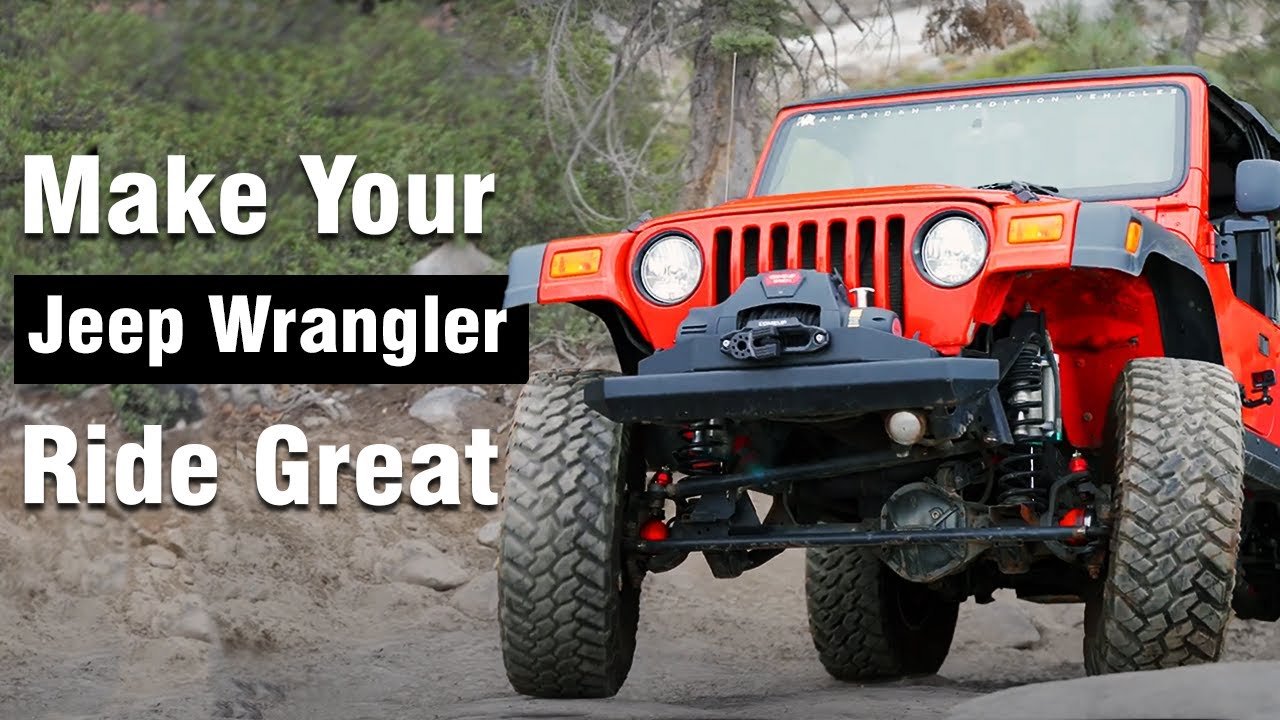
Shocks are critical for ride quality. The stock shocks on a YJ are often too stiff or worn by now. Switch to gas-charged or twin-tube shocks made for comfort. Brands like Bilstein and Rancho offer options that smooth out rough roads without losing control.
Add Polyurethane Bushings
Standard rubber bushings wear out and create harshness. Polyurethane bushings last longer and absorb vibrations better. Replacing all suspension bushings can reduce squeaks and jolts.
Consider A Shackle Reversal Kit
A shackle reversal kit changes how the leaf springs move. This simple modification allows the front axle to move back over bumps, not forward, making impacts feel softer—especially at low speeds.

Optimize Your Tire And Wheel Setup
Tires and wheels make a huge difference to comfort. Here’s how you can fine-tune them:
Choose The Right Tires
Oversized, aggressive mud-terrain tires look cool but ride rough. For daily driving, pick all-terrain or highway-terrain tires in a size close to stock (usually 215/75R15 or 235/75R15). These have softer sidewalls and better on-road manners.
Adjust Tire Pressure
Most YJ owners run tires at 35 psi or higher, but that’s often too much for light vehicles. Try lowering your tire pressure to 28–32 psi (check the sidewall and manual for limits). This change alone can make the Jeep glide over small bumps.
Upgrade To Lighter Wheels
Heavier steel wheels add to the roughness. Swapping to aluminum alloy wheels reduces unsprung weight, making suspension work more efficiently and improving comfort.
| Upgrade | Comfort Impact | Approximate Cost |
|---|---|---|
| Soft-Ride Leaf Springs | High | $300–$500 (set) |
| Quality Shocks | Medium | $150–$300 (set) |
| All-Terrain Tires | High | $400–$700 (set) |
Improve Interior Comfort
Sometimes, the rough ride is made worse by vibrations and noise inside the cabin.
Add Seat Cushions Or Replace Seats
Stock YJ seats are basic. High-density seat cushions or aftermarket seats with better padding absorb shocks before you feel them. Some owners install seats from newer Jeeps for a quick upgrade.
Install Sound Deadening
The YJ is notorious for road noise. Lining the floor and doors with sound deadening mats (like Dynamat or Noico) cuts vibration and makes long drives less tiring.
Use Floor Mats With Extra Padding
Thicker floor mats act as an extra buffer between you and the road. Choose ones with foam or rubber padding for best results.

Address Common Mechanical Issues
A rough ride can sometimes point to worn or damaged parts.
- Check U-joints: Bad U-joints in the driveshaft cause vibrations at speed.
- Inspect Wheel Bearings: Worn bearings add harshness and noise.
- Balance and Align Wheels: Out-of-balance tires or poor alignment make the Jeep feel jittery.
Catching these problems early prevents bigger issues and keeps your Jeep running smoothly.
Don’t Overlift Your Jeep
Many owners lift their YJ for off-roading. However, a high lift kit can ruin ride comfort if not installed properly. Avoid lifts over 2.5 inches for daily driving unless you pair them with matching shocks and springs designed for on-road comfort.
Real-world Example: Stock Vs. Upgraded Ride Quality
Here’s a quick comparison based on owner feedback:
| Ride Quality | Stock YJ | Upgraded YJ |
|---|---|---|
| City Streets | Harsh, bouncy | Smoother, more controlled |
| Highway | Noisy, fatiguing | Quieter, less vibration |
| Off-Road | Capable but rough | Still capable, less jarring |
Two Insights Most Beginners Miss
First, suspension upgrades are only part of the solution. If you ignore tires, bushings, and interior comfort, the ride will never feel truly smooth. Second, correct tire pressure is often overlooked. Even with all the best parts, over-inflated tires will make every bump feel bigger.

Common Mistakes To Avoid
- Installing cheap lift kits without proper shocks
- Using mud tires for daily driving
- Ignoring worn steering or suspension parts
- Overloading the Jeep with gear, which stresses the suspension
Think carefully about how you use your YJ before making changes. Each upgrade should match your driving style and needs.
Final Thoughts
Making your Jeep YJ ride smoother is possible with the right mix of smart upgrades and regular maintenance. Focus on suspension, tires, and interior improvements for the best results. Don’t rush—test each change, and you’ll notice a big difference. With a few practical steps, your classic YJ can offer comfort on every journey without losing its rugged soul.
For more technical details on Jeep suspensions, you can check the Jeep YJ Wikipedia page.
Frequently Asked Questions
What Is The Best Suspension Upgrade For A Smooth Ride?
The best upgrade is soft-ride leaf springs paired with quality shocks. This combination absorbs bumps while still handling off-road terrain well.
Will Lowering Tire Pressure Help Comfort?
Yes, lowering your tire pressure (to 28–32 psi) can soften the ride. Just avoid going below the tire manufacturer’s recommended minimum.
Can I Use Seats From Other Jeep Models?
Many YJ owners fit seats from Jeep TJ or later models. These seats usually bolt in with minor changes and provide much better comfort.
Does Adding Weight Improve The Ride?
Sometimes, adding weight (like a rear seat or cargo) helps leaf springs flex better. But too much weight stresses the suspension and reduces safety.
Is A Coil Spring Conversion Worth It?
Coil spring conversions can offer the smoothest ride, but they are expensive and complex. Most owners get good comfort from simple leaf spring and shock upgrades.