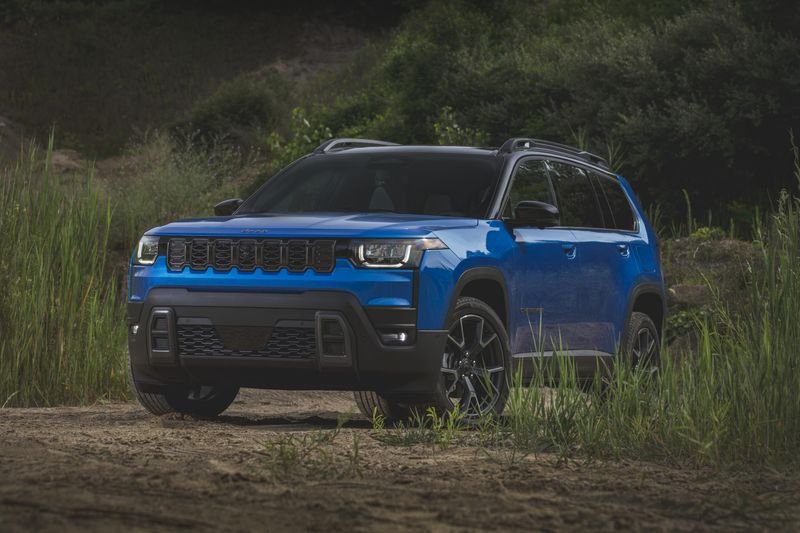
Making your own Jeep badges is a creative way to add a personal touch to your vehicle. Whether you want to show off your favorite trail, highlight a club, or display a unique design, custom badges can make your Jeep stand out.
The process might sound difficult, but with the right materials and a little patience, anyone can do it even at home. This guide will walk you through each step, share helpful tips, and highlight the most common mistakes to avoid.
Choosing The Right Badge Design
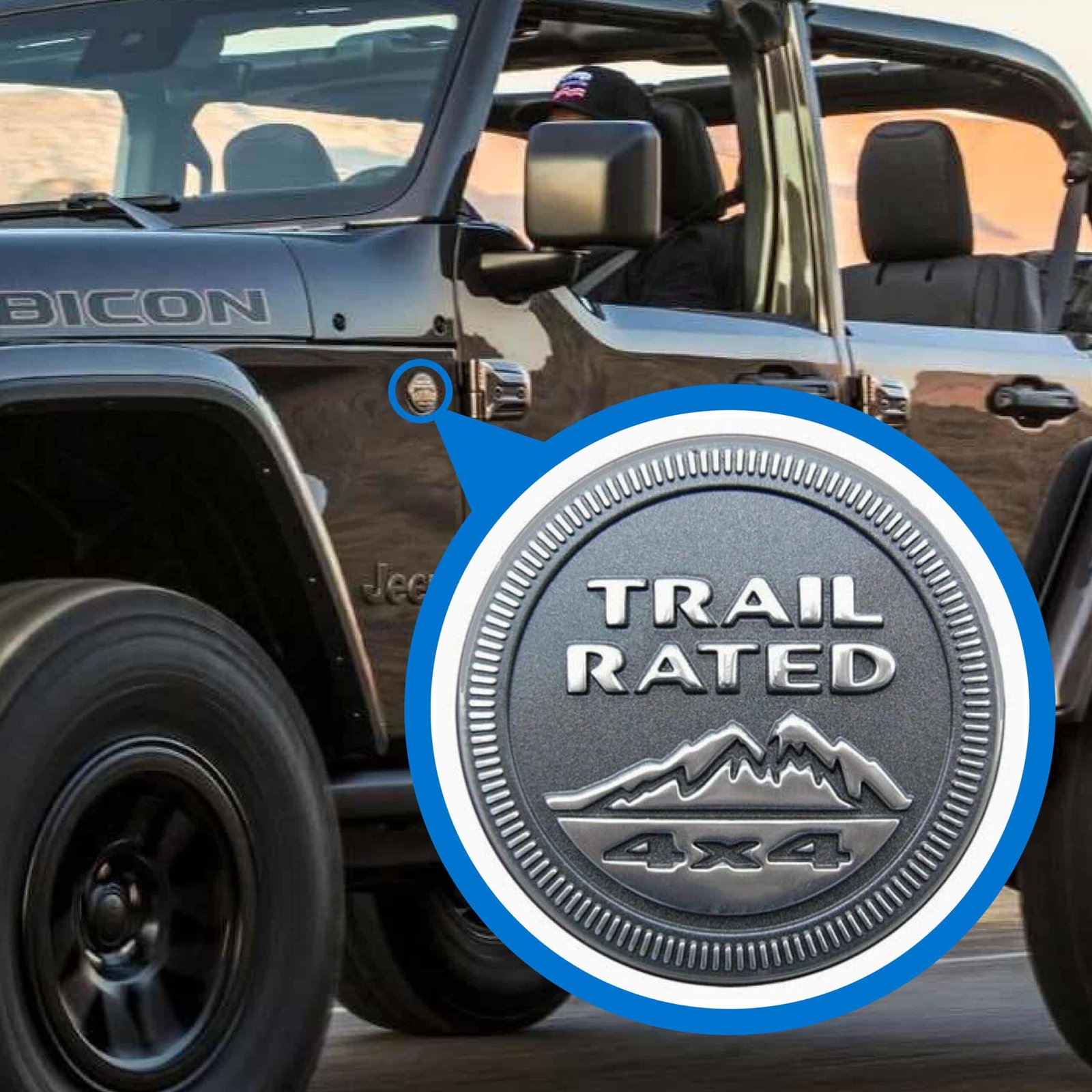
The first step is deciding what you want your badge to say or show. Some people prefer simple text, like “Trail Rated,” while others go for detailed graphics or logos. Think about:
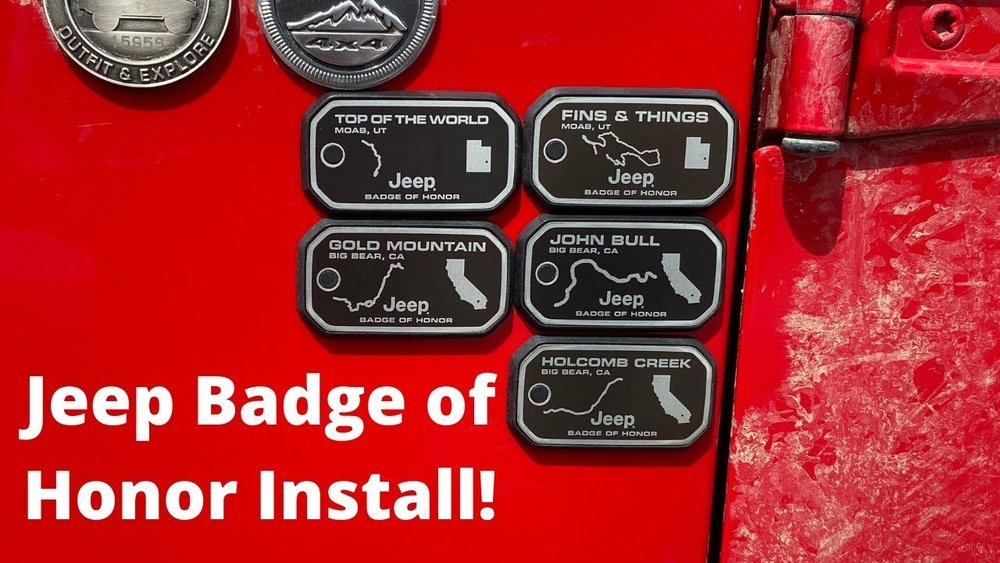
- Size and shape: Do you want a circle, oval, or a custom shape?
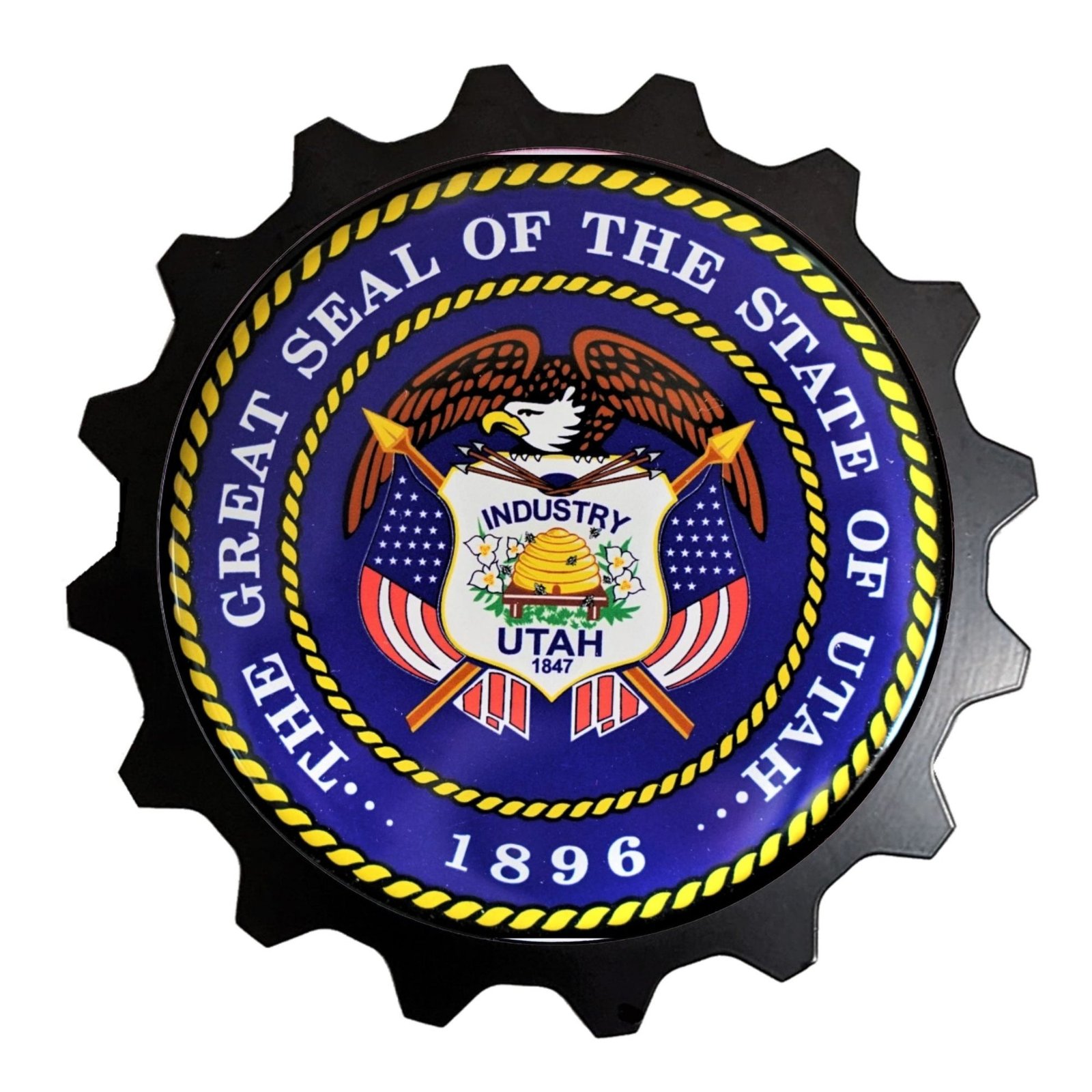
- Theme: Nature, off-roading, club logos, or personal messages
- Colors: High-contrast colors are easier to see from a distance
You can sketch your idea on paper or use free online design tools like Canva. Remember, badges that are too complex may not look clear when shrunk down.
Materials And Tools You’ll Need
To make Jeep badges that last, quality materials are important. Here’s what you’ll need for most DIY badge projects:
- Base material: Aluminum sheet (1-2 mm thick), acrylic, or hard plastic
- Design printout: Waterproof vinyl sticker or laser printer paper
- Adhesive: Double-sided automotive tape or strong epoxy
- Cutting tools: Metal snips, sharp scissors, or a craft knife
- Clear coat: UV-resistant spray or resin for protection
- Sandpaper: 400-600 grit for smoothing edges
- Ruler and pencil: For precise measurements
For a professional look, some Jeep owners use laser cutters or order pre-cut blanks online.
Step-by-step: How To Make Jeep Badges
Follow these steps to create your own badges at home:
1. Design The Badge
Finalize your design and print it out at the actual size. Make sure the image or text is high-resolution for sharpness.
2. Prepare The Base
Use your ruler to mark the badge outline on the aluminum or acrylic. Cut the shape carefully, then smooth the edges with sandpaper.
3. Apply The Design
If you’re using a printed vinyl sticker, stick it onto the base. For paper designs, glue them on and let them dry completely.
4. Seal The Badge
Spray a clear coat over the badge to protect it from water, sun, and scratches. Resin can be poured over for a glossy, durable finish.
5. Attach Adhesive Backing
Stick double-sided automotive tape or apply epoxy glue to the back of your badge.
6. Mount The Badge
Clean the Jeep’s surface with rubbing alcohol. Peel the tape and press the badge firmly in place.
Example: Creating A “trail Rated” Badge
Suppose you want to make a custom “Trail Rated” badge:
- Choose a 2-inch round aluminum blank.
- Design the text and mountain logo using black and red.
- Print on waterproof vinyl.
- Seal with two layers of clear coat.
- Attach with automotive tape above the Jeep fender.
Comparison Of Badge Materials
Different base materials have their own pros and cons. Here’s a quick comparison:
| Material | Durability | Cost | Weather Resistance |
|---|---|---|---|
| Aluminum | High | Medium | Excellent |
| Acrylic | Medium | Low | Good |
| Plastic | Low | Low | Fair |
For outdoor use, aluminum is usually the best choice because it does not rust and holds up well in all weather.
Custom Vs. Pre-made Badges
Should you make your own or buy a badge? Here’s how they compare:
| Option | Customization | Time Needed | Average Price |
|---|---|---|---|
| DIY | High | 2-5 hours | $5–$20 |
| Pre-Made | Low–Medium | None | $20–$40 |
If you want a truly unique badge, making it yourself is worth the time. For a quick, professional look, pre-made badges are easier but less personal.
Common Mistakes To Avoid
Many beginners make simple errors that can ruin a badge or cause it to fall off. Here’s what to watch out for:
- Rushing the cutting or sealing steps, leading to uneven edges or smudged designs.
- Using weak glue or skipping the clear coat, causing the badge to peel in rain or sun.
- Ignoring measurements, which can lead to badges that don’t fit or look awkward.
- Not cleaning the Jeep surface before mounting, so the adhesive doesn’t stick well.
To avoid these problems, take your time, double-check each step, and always let things dry fully before moving on.
Weatherproofing Tips
Your Jeep badge will face wind, rain, and sun. Here’s how to make it last:
- Choose UV-resistant clear coat to prevent fading.
- Use only waterproof adhesives.
- If possible, seal the edges with a thin layer of resin.
Professional shops often use a two-part epoxy resin for a glass-like, weatherproof finish.
Where To Place Your Jeep Badge
Badge placement makes a difference in both style and visibility. Some popular spots include:
- Front fender (above the wheel arch)
- Tailgate (next to the handle)
- Grille
- Dashboard (for interior badges)
Always make sure the surface is flat and clean for best results.
Is It Legal To Make Your Own Jeep Badge?
In most places, it’s perfectly legal to create and install custom badges for personal use. However, avoid copying trademarked logos or using designs that could be confused with official safety or law enforcement symbols. If you’re selling badges, check for any copyright or trademark issues. For more about trademark laws, visit the United States Patent and Trademark Office.
Frequently Asked Questions
How Long Does A Homemade Jeep Badge Last?
With proper materials and sealing, a custom Jeep badge can last 2 5 years outdoors. Aluminum badges with resin coating often last the longest.
Can I Remove A Badge Without Damaging My Jeep?
Yes, most adhesive-backed badges can be removed using dental floss to cut through the tape and a little rubbing alcohol to clean up leftover glue.
What’s The Best Way To Cut Badge Shapes?
For metal, use metal snips or a small rotary tool. For plastic or acrylic, a sharp craft knife works well. Always wear safety gloves.
Are There Companies That Make Custom Jeep Badges?
Yes, several online shops specialize in custom badges. They often offer better printing and finishing options but can be more expensive.
Can I Use A 3d Printer To Make Badges?
Absolutely. 3D printing is great for complex shapes.
Just use weatherproof filament and seal the badge well to protect it from the elements.
Making your own Jeep badges is a fun, rewarding project that lets you personalize your ride. With the right materials and a careful approach, you can create badges that look great and last for years.
Experiment with different designs, and don’t be afraid to show off your creativity every time you hit the road or trail.