Replacing speakers in a Jeep Wrangler is a popular upgrade for drivers who want better sound quality during their adventures. Factory speakers often lack deep bass and clarity. Luckily, swapping them out is a project that many Wrangler owners can handle themselves with basic tools and a little patience. This guide walks you through the process step-by-step, highlights common mistakes, and provides tips to make sure your Jeep sounds as good as it looks.
Why Replace Jeep Wrangler Speakers?
Many Wrangler models come with entry-level speakers. These often use low-quality materials and have limited power handling. Over time, heat, moisture, and dust inside your Jeep can degrade them further, especially if you drive with the top off. Upgrading your speakers brings:
- Clearer sound for music and podcasts
- Stronger bass response
- Better durability against the elements
A good speaker upgrade can make even a basic stereo sound richer. For those who love off-roading, better speakers are less likely to distort or crackle, even with open windows.
What You’ll Need
Before you start, gather these tools and materials:
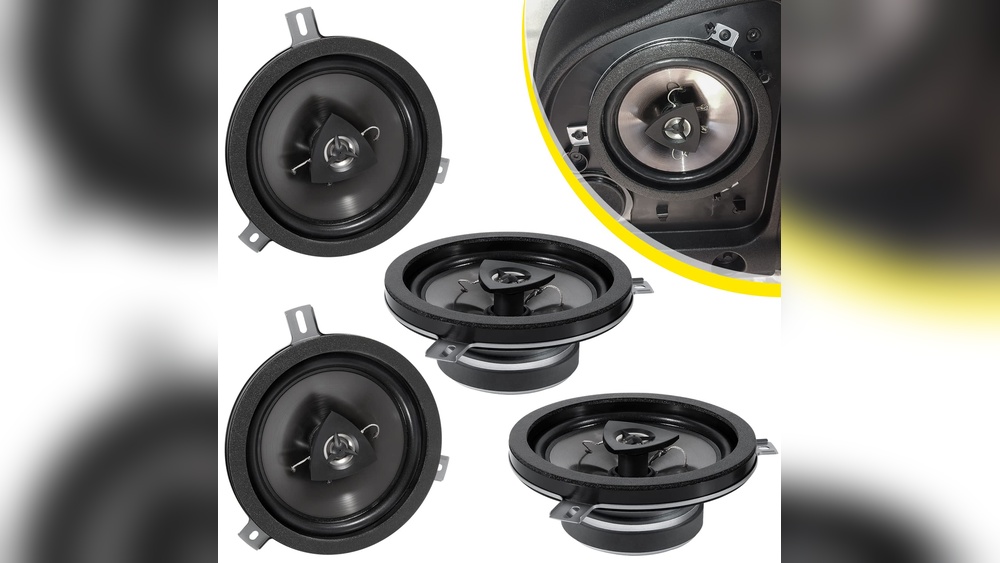
- Replacement speakers (check your Jeep’s year/model for correct sizes)
- Panel removal tool or flathead screwdriver
- Phillips screwdriver
- Socket wrench set
- Wire connectors or soldering kit (optional)
- Electrical tape
- Owner’s manual (for reference)
- Torx bits (for some models)
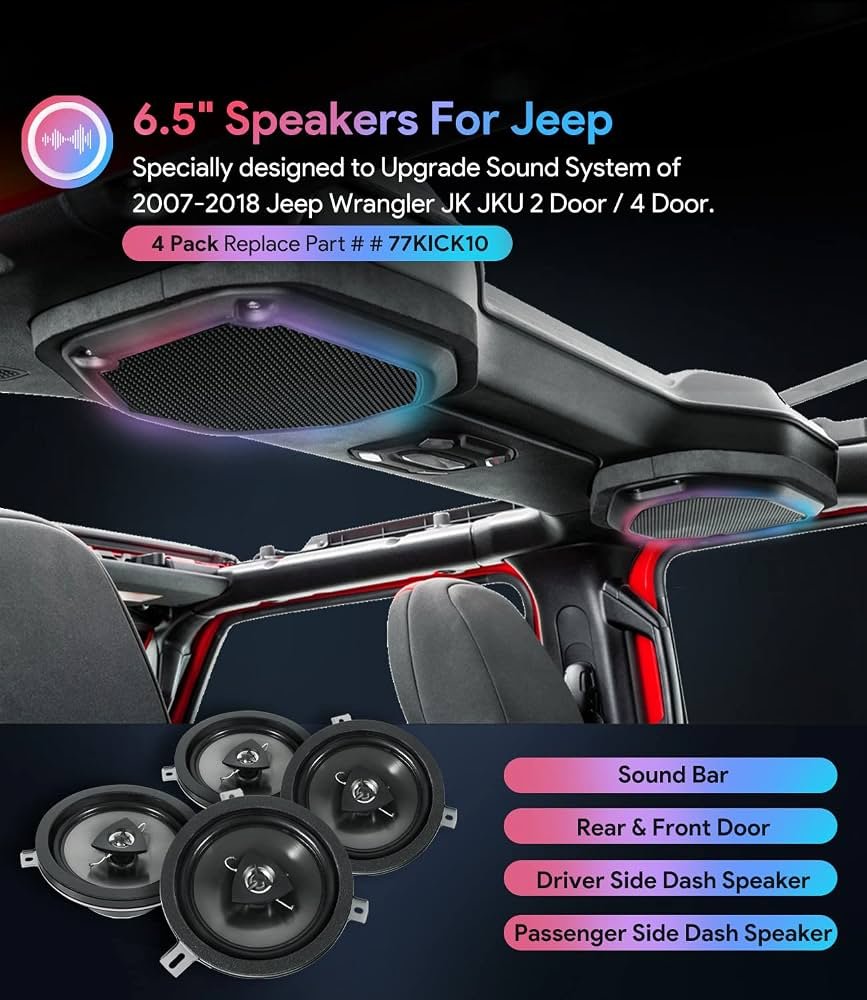
Many Jeep Wranglers use 4-inch or 6. 5-inch speakers in the dash and sound bar. Always check your specific model.

Step-by-step Guide To Replacing Jeep Wrangler Speakers
Swapping speakers is a straightforward process, but there are a few tricky areas where people get stuck.
1. Disconnect The Battery
Always start by disconnecting the negative battery terminal. This prevents electrical shorts and keeps you safe while working.
2. Remove Interior Panels
Depending on your Jeep’s year, you may need to:
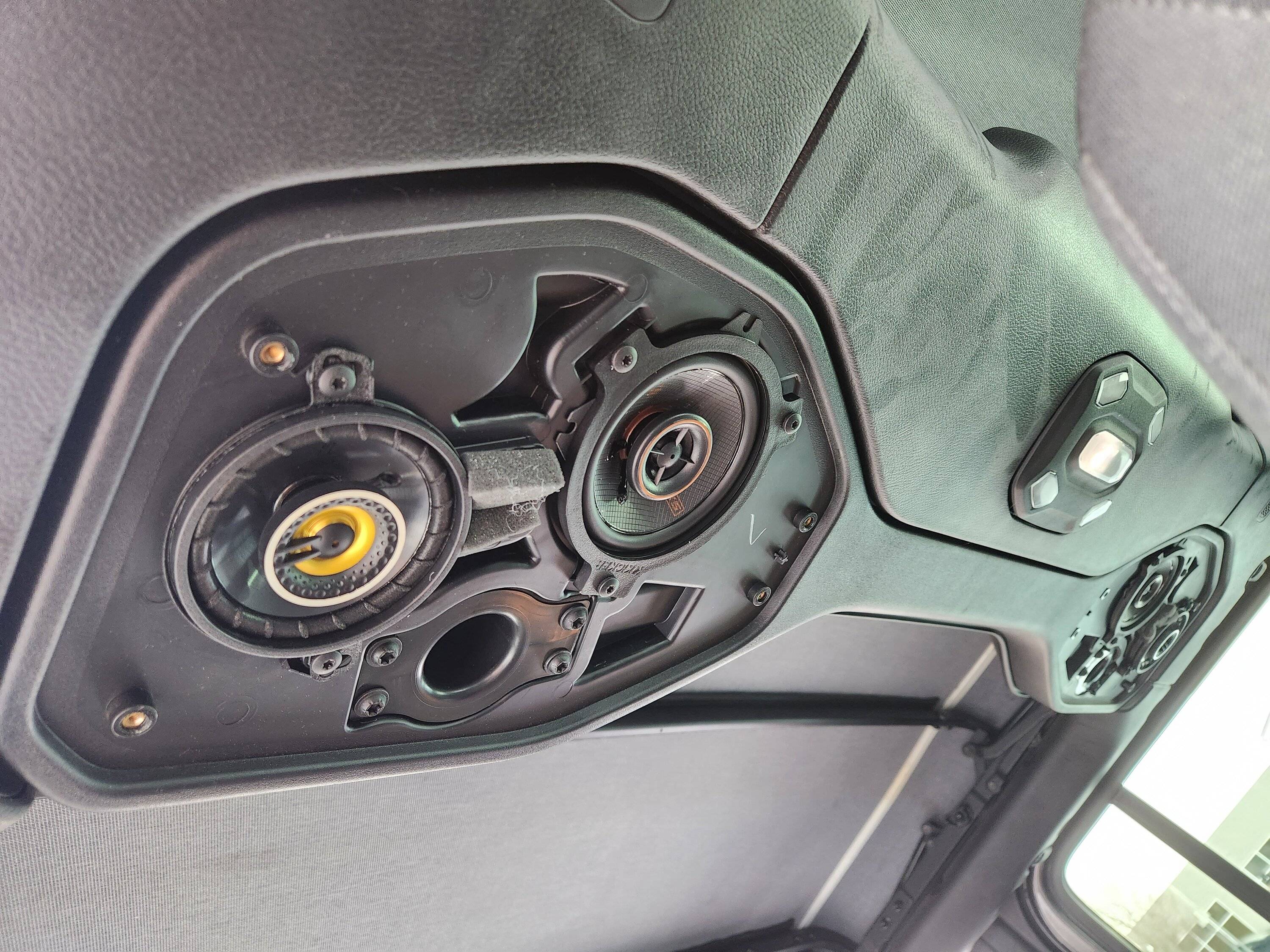
- Remove the dash speaker covers by gently prying them up
- Unscrew the sound bar covers (if your model has a sound bar)
- For door speakers, remove the door panels using a Torx bit or screwdriver
Take your time plastic clips can break if forced.
3. Remove Old Speakers
Once you can see the speaker:
- Unscrew it from the mount
- Carefully disconnect the wiring harness
Take note of the wire colors. Some models have a quick-connect plug; others use simple spade connectors.
4. Install New Speakers
- Connect the new speaker to the wiring harness (use adapters if needed)
- Test the speaker briefly before securing it—no sound means a wiring issue
- Screw the speaker into place
If the new speaker doesn’t fit exactly, use the supplied adapter bracket.
5. Reinstall Panels And Test
- Snap or screw the panels back in place
- Reconnect the battery
- Test the sound system at low and high volumes
Listen for rattles, distortion, or missing sound. If you hear issues, double-check your connections.
Choosing The Best Replacement Speakers
There are hundreds of speaker models available. Here’s a quick comparison of popular options for the Jeep Wrangler:
| Brand/Model | Size | Power Handling | Price Range |
|---|---|---|---|
| Kicker DSC | 6.5″ | 240W peak | $50–$70 |
| JBL Club | 4″ | 135W peak | $70–$100 |
| Infinity Reference | 6.5″ | 180W peak | $90–$140 |
- Power handling matters most if you use an aftermarket amp.
- Size must match your Jeep’s factory openings, or you’ll need adapters.
- Sensitivity (not shown) affects how loud the speaker gets with limited power.
Real-world Tips And Common Mistakes
There are a few things many beginners miss:
- Check polarity: Speakers have positive and negative terminals. If they’re wired backward, you’ll lose bass and clarity. Match the factory wiring color codes or check your manual.
- Use foam baffles: These go behind the speaker and help improve sound by reducing vibrations and protecting from moisture.
- Don’t overtighten: Screws should be snug, not forced. Overtightening can crack plastic mounts or even damage the speaker frame.
Another common mistake is not testing the speaker before fully reassembling panels. Always test after connecting, but before putting everything back together.
Cost And Time Estimate
Replacing all four main speakers (dash and sound bar) usually takes 2–3 hours for beginners. If you’re only doing the dash, plan for about an hour. Here’s a simple breakdown:
| Task | Time (Approx.) | Difficulty |
|---|---|---|
| Dash Speaker Replacement | 1 hour | Easy |
| Sound Bar Replacement | 1–1.5 hours | Moderate |
| Door Speaker Replacement | 1–2 hours | Moderate |
Expect to spend $100–$300 depending on the speaker quality and how many you replace.
When To Get Professional Help
If you want to add an amplifier or upgrade the head unit (radio), the wiring becomes more complex. Also, some newer Jeeps have active noise cancellation or complex electronics that may need programming. In these cases, a professional installer can help avoid issues.
Where To Find More Help
If you’re unsure about your specific model or want more detailed diagrams, check your Jeep’s owner’s manual or visit forums like Wrangler Forum. Community members often share step-by-step guides and tips for each Wrangler generation.
Frequently Asked Questions
Can I Use Any Car Speaker For My Jeep Wrangler?
No. You need the correct size and mounting depth. Some car speakers are too deep for Jeep dash locations or need special adapters. Always check your Jeep’s year and model before buying.
Do I Need To Upgrade My Radio When Replacing Speakers?
Not always. Stock radios can power most aftermarket speakers, but if you want maximum sound quality or volume, pairing with an aftermarket head unit or amplifier helps.
What’s The Best Speaker Size For Jeep Wrangler?
Most Wranglers use 4-inch speakers in the dash and 6.5-inch speakers in the sound bar or doors. Always confirm your Jeep’s specs, as some special editions use different sizes.
Will Replacing Speakers Void My Warranty?
Typically, replacing speakers doesn’t void your warranty. But cutting factory wires or damaging components might. Use plug-and-play adapters to avoid problems.
Can I Improve Bass Without A Subwoofer?
Yes, but only to a point. High-quality speakers improve bass, but for deep, powerful lows, adding a subwoofer is best. Some all-in-one subwoofers fit under seats or in the cargo area.
Upgrading your Jeep Wrangler’s speakers is one of the most rewarding DIY audio projects. With the right tools and patience, you’ll enjoy clearer music and a better driving experience.
Take your time, follow the steps above, and your next off-road adventure will sound better than ever.