Lowering a Jeep Wrangler might sound unusual, especially since most people talk about lifting them. But there are real reasons you might want a lower stance.
Maybe you want better handling on city roads, easier entry, or a unique look. Whatever your reason, you’ll need to understand the process, costs, and effects before grabbing your tools.
This guide will walk you through everything you need to know to lower a Jeep Wrangler safely and effectively.

Why Lower A Jeep Wrangler?
Lowering a Jeep Wrangler isn’t just about style. There are practical benefits:
- Improved handling on paved roads due to a lower center of gravity.
- Easier access for drivers and passengers, especially for daily driving.
- Unique appearance that stands out from the typical lifted Jeeps.
But there are also trade-offs. Lowering can reduce ground clearance, affecting off-road ability.
Decide if the benefits match your driving needs.
Main Methods To Lower A Jeep Wrangler
There’s more than one way to achieve a lower Jeep. The method you choose will depend on your goals, budget, and mechanical skill.
1. Lowering Springs
Lowering springs are specially designed coil springs that replace the stock ones. They’re shorter and stiffer, which drops your ride height by 1-3 inches.
- Pros: Improves cornering, relatively affordable, direct swap.
- Cons: Less comfort on rough roads, may require new shocks.
2. Coilover Kits
A coilover kit includes new springs and adjustable shocks. You can fine-tune ride height and stiffness.
- Pros: Maximum adjustability, better performance.
- Cons: Expensive, more complex installation.
3. Shorter Shocks
Some owners pair shorter shocks with their springs. This only works if the springs are already lowering the vehicle. Shocks alone don’t change ride height.
- Pros: Improves ride control after lowering.
- Cons: Not a standalone method.
4. Air Suspension
Air suspension systems replace springs with air bags you can inflate or deflate.
- Pros: Adjustable ride height, smooth ride.
- Cons: Very costly, complex to install and maintain.
Here’s a quick comparison of the main methods:
| Method | Cost Range | Adjustability | Difficulty |
|---|---|---|---|
| Lowering Springs | $200-$500 | No | Medium |
| Coilover Kits | $800-$2,000 | Yes | High |
| Air Suspension | $2,000-$5,000 | Yes | Very High |
Step-by-step: Lowering With Springs
Let’s focus on lowering springs, the most common choice for Wrangler owners who want a lower ride at a reasonable price.
Tools And Parts Needed
- Lowering springs (matched to your Jeep’s year/model)
- Spring compressor
- Jack and jack stands
- Wrenches and sockets
- Torque wrench
- Penetrating oil
Basic Steps
- Lift the Jeep and secure it with jack stands.
- Remove wheels to expose the suspension.
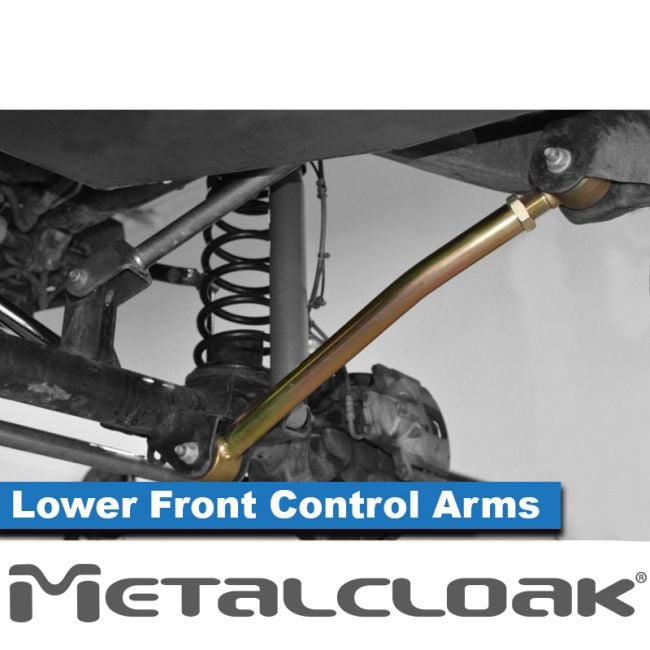
- Disconnect shocks and sway bar links for spring access.
- Compress and remove stock springs carefully.
- Install lowering springs, checking they seat properly.
- Reconnect all parts and torque to factory specs.
- Install shorter shocks if needed.
- Reinstall wheels and lower the Jeep.
- Check alignment after lowering.
This process usually takes 4-6 hours. If you’re not confident with suspension work, consider professional help.
What Changes After Lowering?
Lowering your Wrangler changes more than just appearance. Here’s what to expect:
- Handling: On-road stability improves, with less body roll.
- Ride quality: Some comfort loss, especially over bumps.
- Ground clearance: Lowered, so off-roading will be limited.
- Tire wear: May increase if alignment isn’t corrected.
- Insurance and warranty: Some policies may be affected; check before you start.
Common Mistakes To Avoid
Many beginners jump in without enough research. Watch out for these pitfalls:
- Using incorrect parts: Always buy springs and shocks made for your Wrangler’s year/model.
- Skipping alignment: Lowering changes wheel angles. Skipping this step causes poor handling and fast tire wear.
- Forgetting bump stops: Lowering means less travel. Shorten or replace bump stops to avoid bottoming out.
- Ignoring ride quality: Not all kits are equal. Read reviews about comfort and handling before buying.
Here’s an example of ride height differences for various lowering methods:
| Method | Average Drop (inches) | Stock Ride Height (inches) | Lowered Height (inches) |
|---|---|---|---|
| Lowering Springs | 2 | 10.8 | 8.8 |
| Coilovers | 2.5 | 10.8 | 8.3 |
| Air Suspension | Up to 4 | 10.8 | 6.8 |
Is Lowering Safe And Legal?
Lowering is safe if done correctly, with quality parts and proper installation. However, each state may have laws about minimum bumper or headlight height.
Check local regulations before making changes. Also, let your insurance company know about the modification.

Real-world Experience And Tips
Here are some practical tips from Jeep owners who have lowered their Wranglers:
- Test drive after each change. Listen for unusual noises.
- Keep old parts in case you want to revert to stock later.
- Document the process with photos. This helps with resale or troubleshooting.
- Upgrade sway bars for even better handling on-road.
An often-missed insight: Lowering can affect the function of your driveshaft and steering geometry, especially on older Wranglers. An alignment shop familiar with lowered vehicles can help you avoid issues down the road.
For more technical details, you can check the official Jeep Wrangler Wikipedia page.
Frequently Asked Questions
How Much Does It Cost To Lower A Jeep Wrangler?
The cost depends on the method. Lowering springs start at around $200, while full coilover or air suspension kits can reach $5,000.
Labor adds more if you don’t do it yourself.
Will Lowering My Wrangler Ruin Off-road Performance?
Yes, to some extent. Lowering reduces ground clearance and suspension travel, which are important for off-roading. It’s best for street-focused Jeeps.
Can I Reverse The Process And Raise It Again?
Yes. If you keep your original parts, you can return your Jeep to stock height.
This is easiest if you only swapped springs and shocks.
Do I Need To Change My Tires Or Wheels?
Not always, but lower ride height can create rubbing issues with large tires. You may need smaller tires or wheels with different offsets for proper fit.
Is Alignment Necessary After Lowering?
Absolutely. Lowering changes your suspension geometry.
A professional alignment prevents uneven tire wear and improves safety.
Lowering a Jeep Wrangler is a unique way to set your vehicle apart and improve street handling. Plan your project, choose quality parts, and don’t skip details like alignment.
With careful work, you can enjoy a smoother ride and a head-turning look.