Lifting a Jeep changes everything about how you work underneath it. With bigger tires, higher suspension, and heavy-duty parts, a lifted Jeep is not like a regular SUV when it comes to maintenance.
If you use the wrong jacking method, you risk damaging your Jeep or worse, getting hurt.
Learning the right way to jack up a lifted Jeep will make your repairs safer and less stressful.
Why Jacking A Lifted Jeep Is Different
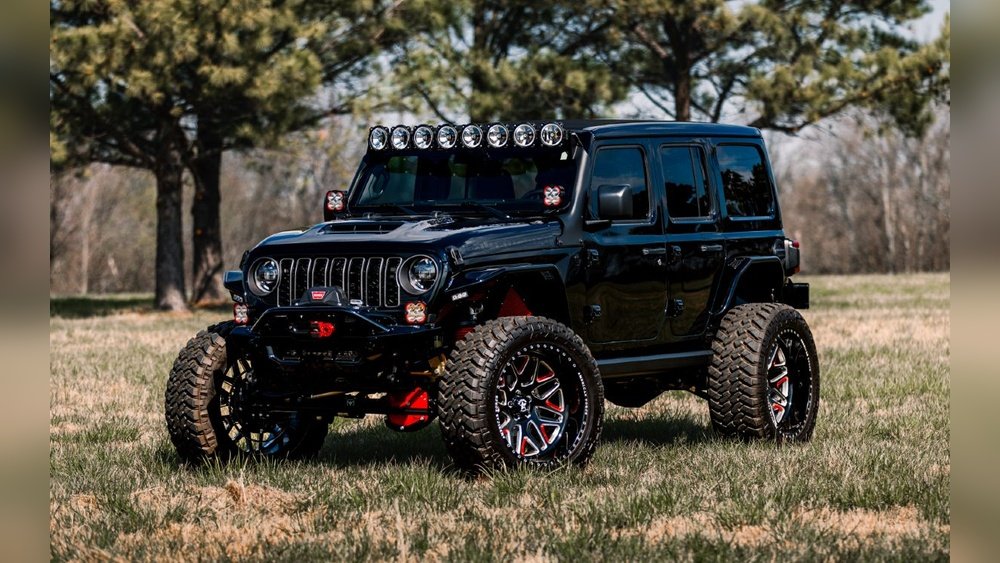
A lifted Jeep usually has higher ground clearance and heavier, larger tires. Most factory jacks are too short, and standard jack points may be harder to reach. Suspension and frame changes mean you can’t always use the same spots as you would on a stock Jeep.
For example, a 4-inch lift kit can raise your Jeep's body by 4 6 more inches. That extra height means even a 3-ton floor jack may not reach your frame or axle.
Also, lifted Jeeps are more likely to have aftermarket bumpers, rock sliders, or skid plates.
All these parts affect where you can safely place a jack.
Tools You Need For Jacking A Lifted Jeep
Before you start, make sure you have the right equipment:
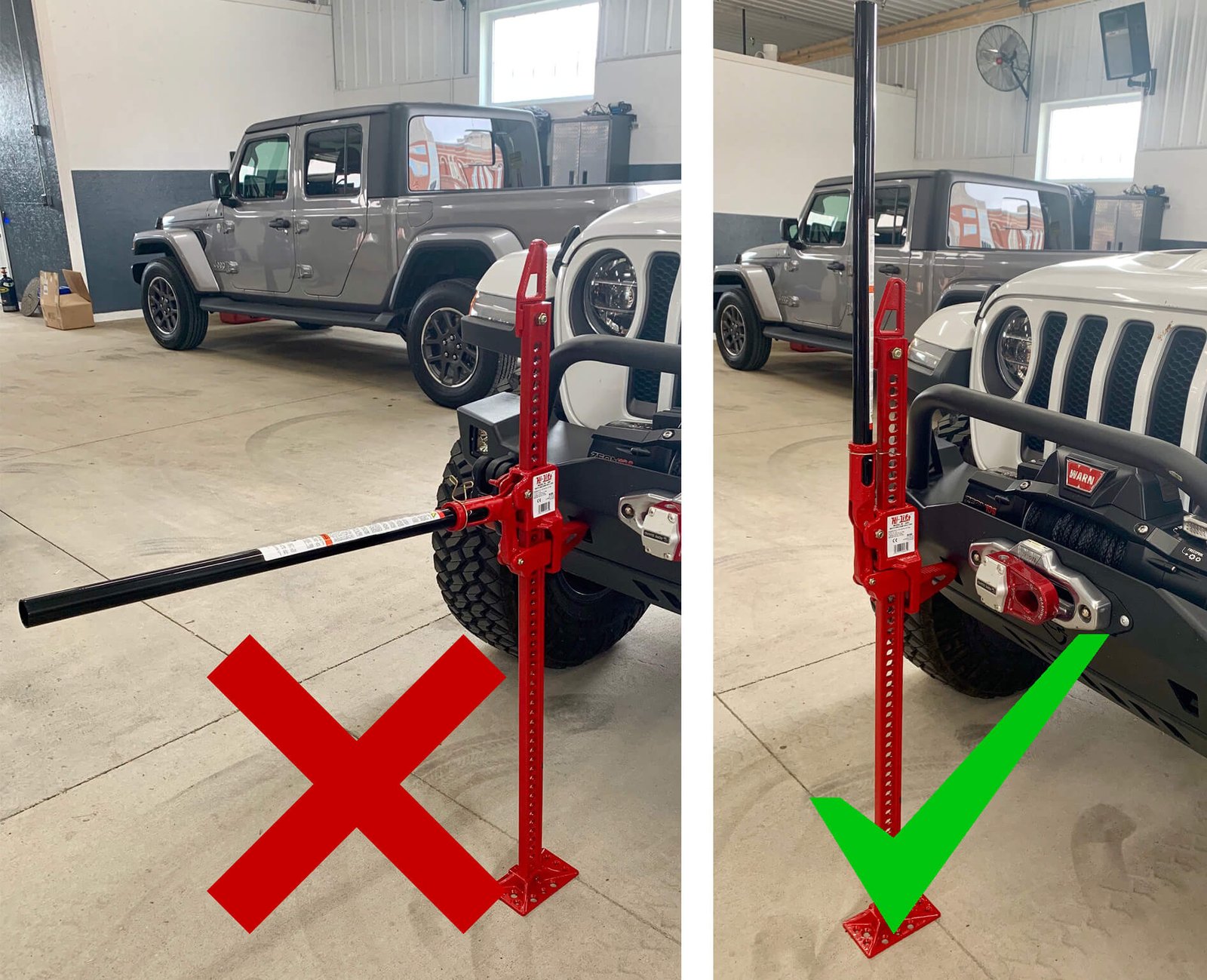
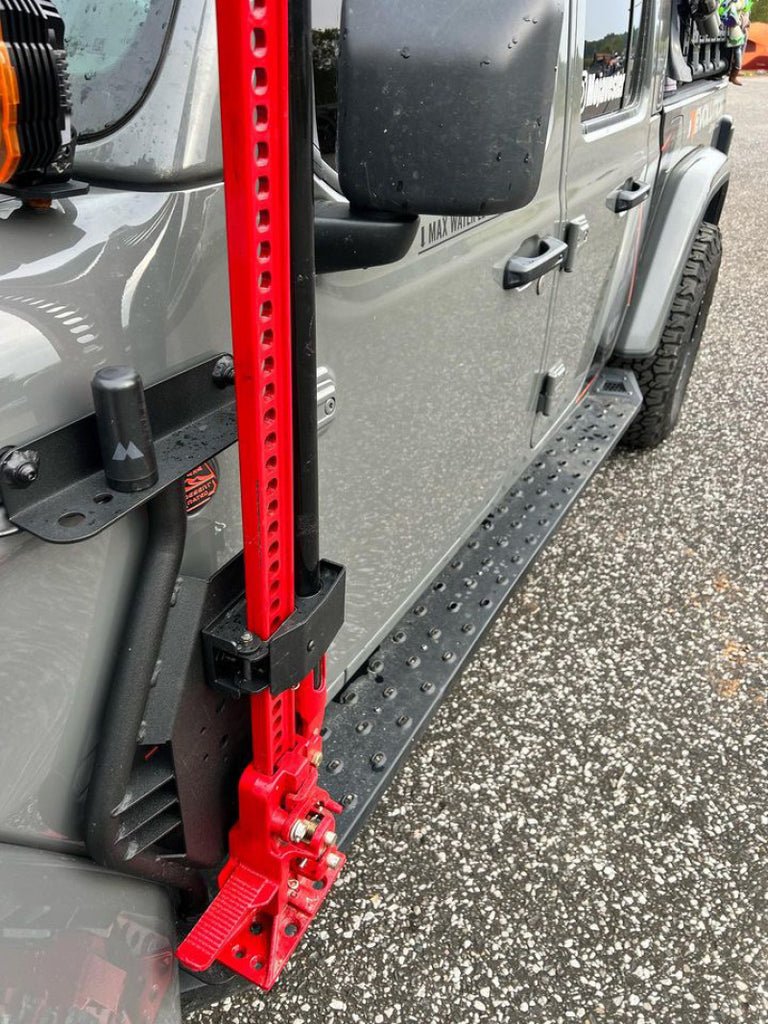
- High-lift jack: Designed for lifted vehicles, can reach up to 48 inches.
- Heavy-duty floor jack: Look for one with a long reach and at least 3-ton capacity.
- Jack stands: Must be rated for SUVs or trucks, and high enough for your Jeep.
- Wheel chocks: Prevent the Jeep from rolling.
- Gloves and safety glasses: Protect your hands and eyes.
Don’t use the factory scissor jack it’s not safe for lifted Jeeps. A high-lift jack is the most versatile, but it requires practice and caution.
Step-by-step Guide: How To Jack A Lifted Jeep
Follow these steps for a safe and effective lift:
1. Park On Flat Ground
Find a stable, level surface. Avoid dirt, gravel, or soft grass.
Engage the parking brake and put the transmission in park or first gear (for manual).
2. Chock The Wheels
Place wheel chocks on both sides of the opposite tires—if you’re lifting the front, chock the rear wheels.
3. Locate The Jack Points
Check your Jeep’s manual or look for reinforced steel sections like the frame rails or axle tubes. For most lifted Jeeps, the axle housing is a strong, safe spot. Avoid using body panels, suspension arms, or thin skid plates.
4. Position The Jack
Slide the floor jack under the chosen point. If using a high-lift jack, hook it to a steel bumper or rock slider.
Make sure the jack is straight and centered.
5. Lift Slowly And Steadily
Pump the jack handle until the tire is off the ground. Pause if you see the Jeep shift or the jack leans.
For high-lift jacks, raise the Jeep in small, controlled steps.
6. Place Jack Stands
Slide jack stands under the frame or axle. Never trust the jack alone—lower the Jeep gently onto the stands.
7. Double-check Stability
Push the Jeep gently to test if it’s solid. If it wobbles, lower it and reposition.
8. Reverse Steps To Lower
When finished, raise the Jeep slightly, remove the stands, and lower the Jeep slowly.
Example Scenario
If you have a 4-inch lifted Jeep Wrangler with 35-inch tires, a 20-inch lift on your floor jack may barely reach the axle. A high-lift jack will give you extra room, but you must be careful: these jacks can tip if not used on flat ground. Always keep your body clear and work slowly.
Common Mistakes And How To Avoid Them
Even experienced Jeep owners make these errors:
- Using the wrong jack: A short jack won’t reach; a weak one might break.
- Jacking on soft ground: The jack can sink or tip over. Use a solid base or a piece of wood under the jack.
- Lifting from unsafe points: Only use frame or axle; body panels may bend or break.
- Skipping wheel chocks: Jeeps can roll easily, especially with large tires.
- Ignoring jack stand safety: Never work under a Jeep that’s only on a jack.
High-lift Jack Vs. Floor Jack: Which Is Better?
Here’s a quick look at their differences:
| Feature | High-Lift Jack | Floor Jack |
|---|---|---|
| Maximum Height | Up to 48″ | 18–24″ |
| Portability | Light, easy to carry | Heavy, less portable |
| Stability | Less stable, needs care | Very stable on flat surfaces |
| Best For | Off-road, emergencies | Home garage, flat ground |
If you do most repairs at home, a heavy-duty floor jack and tall jack stands are best. For off-road adventures, keep a high-lift jack in your recovery kit.
Jack Stand Height Comparison
Lifted Jeeps need taller jack stands. Here’s how they compare:
| Jack Stand Type | Max Height | Suitable For |
|---|---|---|
| Standard (SUV) | 16–18″ | Stock height Jeeps |
| Tall (Truck/SUV) | 24–30″ | Lifted Jeeps (2″+ lift) |
| Adjustable Pin-Type | Up to 36″ | Extreme lifts, custom builds |
Always match the jack stand to your Jeep’s lift height. Too short, and you won’t have enough clearance to work.
Practical Tips And Insights
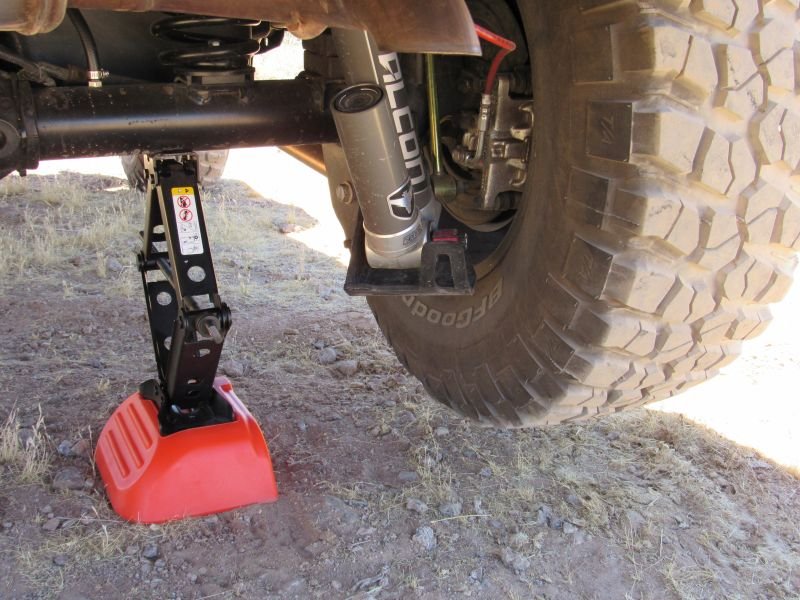
- Carry a base plate: Off-roading often means uneven ground. A wide base plate under your jack prevents sinking.
- Practice at home: Try jacking up your Jeep before you need to do it on the trail.
- Keep tools accessible: Store your jack, stands, and chocks where you can reach them quickly.
- Check jack ratings: Your lifted Jeep is heavier than stock. Make sure your jack can handle the extra weight.
- Inspect before each use: Look for cracks or rust on your jack and stands to avoid accidents.
Most beginners forget to test their setup before heading off-road. Practicing in your driveway helps you catch mistakes before they become dangerous.
Frequently Asked Questions
How High Should I Lift My Jeep To Remove A Tire?
Raise the Jeep until the tire is at least 2 inches off the ground. This gives you enough space to remove and replace the wheel safely.
Can I Use A Bottle Jack For A Lifted Jeep?
You can, but only if it’s tall and heavy-duty. Most bottle jacks are too short for lifted Jeeps unless used with a base or extension.
Is A High-lift Jack Safe For All Lifts?
High-lift jacks are safe if used properly, but they require experience and caution. Never use one on unstable ground or weak bumpers.
Where Should I Place Jack Stands Under My Jeep?
The best spots are frame rails or the axle housing, never on suspension arms or thin metal parts. Always double-check stability.
Do I Need Special Wheel Chocks For Large Tires?
Standard wheel chocks work, but oversized chocks are better for large off-road tires, especially on slopes or uneven ground.
Jacking up a lifted Jeep is a skill every off-road owner should master. With the right tools, careful steps, and a focus on safety, you can do your own repairs and get back on the trail with confidence. For more tips on off-road safety, visit Jeep’s official adventure guide.