Installing running boards on your Jeep Wrangler is one of the best upgrades you can make for both style and utility. Running boards help you step in and out easily, especially if your Jeep is lifted.
They also protect your Jeep’s sides from rocks and road debris. If you want to install running boards yourself, this guide will walk you through each step—even if you’re not a car expert.
Why Install Running Boards?
Many Jeep Wrangler owners install running boards for practical reasons. The most obvious is easier entry and exit, especially for kids or shorter passengers. If your Wrangler has a lift kit, running boards become almost essential.
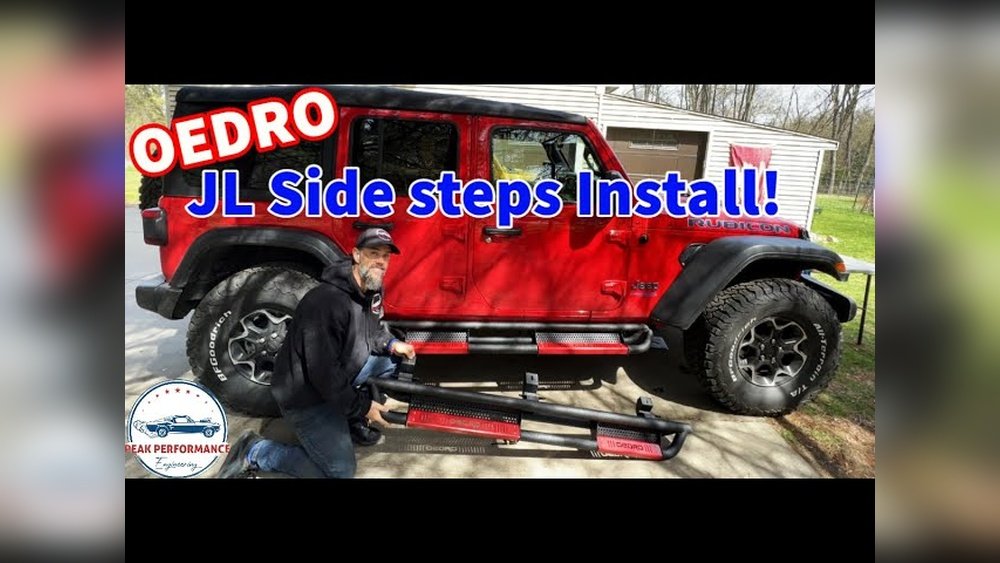
There’s also a protective benefit. Running boards act as a barrier, shielding your Jeep’s body from mud, stones, and other debris.
For off-roaders, this means less risk of scratches and dents.
Lastly, running boards add a tough, finished look. They give your Jeep a more rugged and custom appearance.
What You Need Before You Start
Before getting started, gather the right tools and parts. This makes the process smoother and avoids delays.
Tools:
- Socket wrench set (metric and standard)
- Torque wrench
- Screwdrivers
- Safety glasses and gloves
Parts:
- Running boards (specific for your Wrangler year/model)
- Mounting brackets and hardware (usually included with boards)
- Installation manual
Tip: Double-check that you have all hardware before you start. Missing bolts or brackets can stop your project.
Choosing The Right Running Boards
Not all running boards fit every Jeep Wrangler. You need to choose boards made for your exact model and year Wrangler JL, JK, TJ, or older.
Here’s a quick comparison of popular running board materials:
| Material | Durability | Weight | Cost |
|---|---|---|---|
| Steel | Very High | Heavy | $$$ |
| Aluminum | High | Light | $$ |
| ABS Plastic | Medium | Very Light | $ |
Steel is best for off-roading and rugged use, while aluminum offers a good balance for daily driving. ABS plastic is lightweight and affordable, but not as durable.
Step-by-step Installation Guide
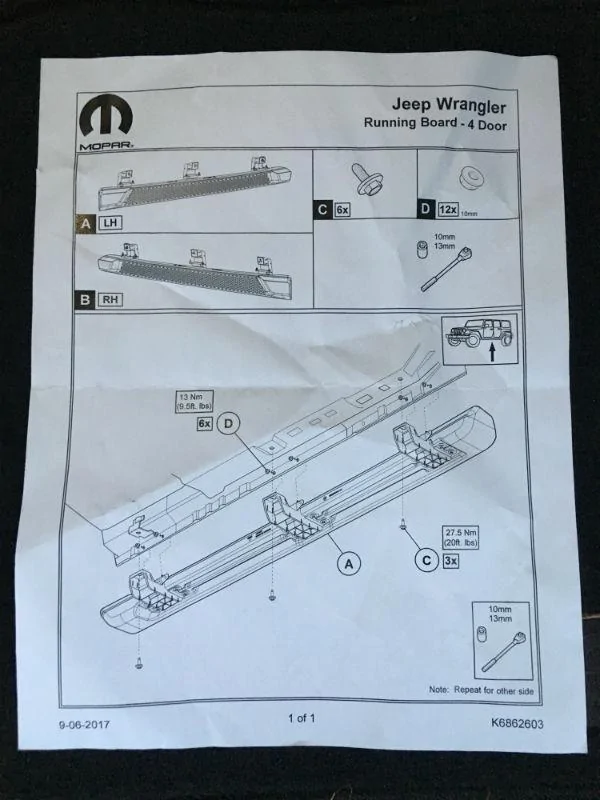
Installing running boards is a straightforward DIY job for most Jeep owners. Set aside about 1–2 hours. Here’s how to do it:
1. Prepare Your Jeep
Park on a flat surface and set the parking brake. If possible, use wheel chocks for extra safety.
2. Locate Factory Mounting Points
Most Wranglers have pre-drilled holes along the frame under the doors. Clean these spots to remove dirt and debris.
3. Attach Mounting Brackets
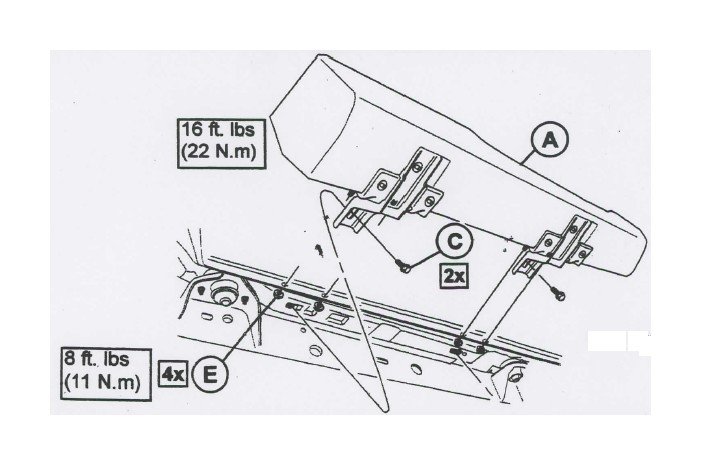
Using the hardware provided, loosely bolt the brackets to the frame. Do not fully tighten yet you’ll adjust them once the running board is in place.
4. Position The Running Board
With help, lift the running board and line it up with the brackets. Insert bolts and hand-tighten them so the board stays in place.
5. Adjust And Tighten
Check the alignment. Make sure the board is straight and sits evenly under the doors.
Once satisfied, tighten all bolts to the specified torque (see your manual).
6. Repeat On The Other Side
Follow the same process for the passenger side.
7. Final Check
Step on the boards to test stability. Tighten any bolts if there’s movement.
Common Mistakes To Avoid
- Skipping the torque wrench can cause loose boards later.
- Mixing up brackets—double-check left and right brackets before installing.
- Over-tightening bolts can strip threads, so follow recommended torque.
How Running Boards Compare To Rock Sliders
Some Jeep owners wonder if they need running boards or rock sliders. The main difference is purpose.
| Feature | Running Boards | Rock Sliders |
|---|---|---|
| Ease of Entry | Excellent | Good |
| Body Protection | Good | Excellent |
| Off-Road Use | Light/Moderate | Heavy |
| Style | Customizable | Rugged |
If you mostly drive on roads and want easy access, running boards are best. If you do extreme off-roading, consider rock sliders.
Pro Tips For A Smooth Installation
- Have a helper. Running boards are bulky and easier to install with two people.
- Keep all bolts loose until final alignment. This helps avoid gaps or misalignment.
- Use anti-seize lubricant on bolts if you live in a wet or snowy climate. It prevents rust.
- Check the instructions that come with your running boards. Some brands have unique steps.
Many beginners forget to check for factory wiring or brake lines near the mounting points. Take a careful look before drilling or tightening bolts.
Maintenance After Installation
Running boards need little care, but basic maintenance keeps them looking and working great:
- Wash off mud and road salt regularly to prevent rust.
- Check mounting bolts every few months for tightness.
- Touch up any scratches with rust-resistant paint.
With good care, quality running boards can last as long as your Jeep.
When To Consider Professional Installation
While most Jeep owners can install running boards at home, there are times when professional help is smart:
- If your Jeep has custom modifications under the doors
- If you find missing or damaged mounting points
- If you lack basic tools or space to work
A professional shop can install running boards quickly and handle any surprises. Installation usually costs $100 $250, depending on your Jeep and the running board type.
Frequently Asked Questions
How Long Does It Take To Install Running Boards On A Jeep Wrangler?
Most people finish in 1–2 hours per side. If you’re new to DIY car work, allow extra time to read the instructions and organize your tools.
Can I Install Running Boards Without Drilling?
Yes. Most running boards for Jeep Wranglers use factory holes, so no drilling is needed. Always check your running board’s manual to be sure.
Will Running Boards Reduce My Jeep’s Ground Clearance?
Slightly. Running boards usually hang 2–4 inches below the door sills. For most daily drivers and mild off-roading, this isn’t a problem.
Are Running Boards The Same As Side Steps?
Not exactly. Running boards offer a flat, continuous step, while side steps (or nerf bars) are more like individual steps. Running boards give better coverage and are often sturdier.
Where Can I Find More Information About Jeep Wrangler Accessories?
You can find reliable information at the official Jeep Wrangler site, which covers factory accessories and specifications.
Installing running boards on your Jeep Wrangler is a project many owners can handle in a weekend. The right boards make your Jeep easier to use and add a touch of style.
With a little planning, you’ll enjoy your new look and easier entry for years to come.