Installing lockers on your Jeep is one of the best upgrades for off-road driving. Lockers help your tires grip tough terrain, making mud, rocks, and sand easier to handle.
Many Jeep owners want lockers but feel unsure about the process.
This guide will help you understand each step, compare locker types, and avoid common mistakes. You’ll gain the confidence to install lockers safely and enjoy better performance on your next adventure.

Understanding Jeep Lockers
Lockers are devices installed in a vehicle’s differential. They force both wheels on the same axle to turn at the same speed, improving traction. There are several types of lockers, each with unique benefits and drawbacks.
| Locker Type | Activation | Best For |
|---|---|---|
| Automatic | Engages automatically | General off-roading |
| Selectable (Manual/Electric) | Driver controlled | Rock crawling, deep mud |
| Limited Slip | Partial engagement | Daily driving, light trails |
Automatic lockers are easy and reliable, but can affect normal driving. Selectable lockers let you choose when to activate them, offering more control. Limited slip differentials are not true lockers, but they help in mild conditions.
Choosing The Right Locker For Your Jeep
The best locker depends on your Jeep model, driving style, and budget. Here are key points to consider:
- Budget: Lockers range from $400 (automatic) to $1,200 (selectable).
- Driving conditions: For extreme off-roading, selectable lockers are ideal.
- Installation complexity: Automatic lockers are easier for beginners. Selectable lockers need wiring and switches.
- Daily use: If your Jeep is a daily driver, limited slip or selectable lockers are less disruptive.
| Model | Locker Fitment | Ease of Installation |
|---|---|---|
| Jeep Wrangler JK | Front/Rear | Moderate |
| Jeep Cherokee XJ | Rear | Easy |
| Jeep Gladiator | Front/Rear | Advanced |
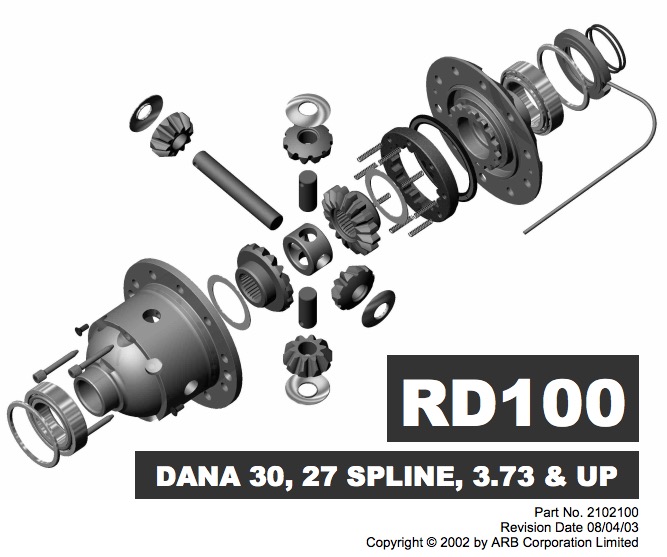
Non-obvious tip: Always check your Jeep’s differential type before buying a locker. Dana 30, Dana 44, and Dana 60 are common differentials, and not all lockers fit every model.
Tools And Preparation
Proper tools and preparation save time and prevent mistakes. You will need:
- Socket set and wrenches
- Screwdrivers
- Torque wrench
- Jack and jack stands
- Gear oil
- Locker installation kit
- Safety glasses and gloves
Always work on a flat surface. Disconnect the battery if installing electrical lockers. Clean all parts before starting.
Step-by-step Locker Installation
Most Jeep lockers are installed in the differential housing. Here is a simplified process:
- Lift your Jeep: Use a jack and secure with jack stands.
- Remove the wheels: Gives access to the axle.
- Open the differential cover: Drain old gear oil.
- Take out the carrier assembly: The carrier holds the gears.
- Install the locker: Follow manufacturer instructions. Automatic lockers usually replace the spider gears. Selectable lockers require wiring and switches.
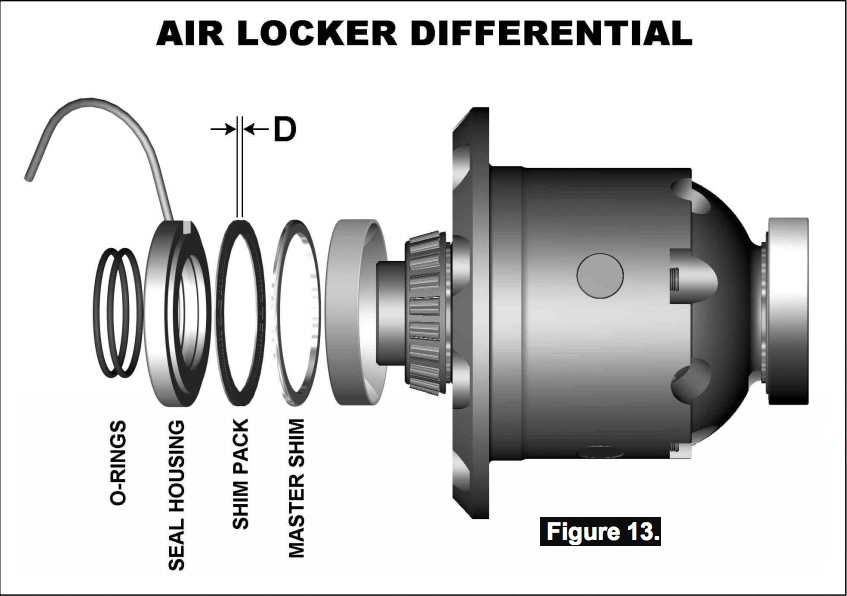
- Check clearances: Use a feeler gauge to ensure proper fit.
- Reinstall the carrier: Place it back carefully.
- Seal the differential cover: Use gasket or RTV sealant.
- Add new gear oil: Fill to recommended level.
- Test the locker: Rotate the wheels and check for smooth operation.
A practical tip: Take photos during each step. This helps if you forget how parts fit together.

Common Installation Mistakes
Many beginners make errors that cause locker failure or noise:
- Wrong locker for your axle: Always match locker to your Jeep’s differential.
- Improper gear oil: Use the oil recommended by the locker manufacturer.
- Incorrect torque settings: Tighten bolts to specified levels.
- Poor wiring (for selectable lockers): Use waterproof connectors and follow diagrams exactly.
Non-obvious insight: After installation, drive slowly for the first 50 miles. This helps the locker “break in” and lets you spot leaks or unusual sounds early.
Locker Performance: What To Expect
Lockers greatly improve off-road ability. You will notice:
- Better traction in mud, sand, and rocks
- Easier climbing on steep hills
- Less tire spin
However, automatic lockers can make turns on pavement feel stiff. Selectable lockers solve this issue, but require driver input.
According to the Jeep Wrangler Forum, adding lockers can improve off-road performance by up to 40% compared to open differentials. This means you can tackle tougher trails with confidence.
Maintenance And Safety
Lockers need regular maintenance for long life:
- Check gear oil every 6 months
- Inspect wiring (for selectable lockers)
- Listen for unusual noises
Always wear safety gear and never rush the installation. If unsure, consult a professional mechanic or visit a trusted off-road shop.
For more detailed technical information, see Wikipedia’s locking differential page.
Frequently Asked Questions
Can I Install Lockers Myself, Or Do I Need A Mechanic?
You can install lockers yourself if you have basic tools and mechanical skills. However, selectable lockers with wiring are more complex.
If you are unsure, a professional mechanic can help.
How Long Does Locker Installation Take?
Automatic lockers usually take 3–4 hours. Selectable lockers may need 5–8 hours due to extra wiring and setup.
Will Lockers Affect My Daily Driving?
Automatic lockers can make driving on pavement less smooth. Selectable lockers and limited slip types are better for daily use because you can control them.
What Gear Oil Should I Use After Installing Lockers?
Use the gear oil recommended by your locker manufacturer. Most require 75W-90 or 80W-90 oil, but always check your manual.
Do Lockers Void My Jeep Warranty?
Installing lockers can affect your warranty, especially if done incorrectly. Always check your warranty terms before making changes.
Installing lockers on your Jeep transforms your off-road experience. With careful planning, the right tools, and patience, you can boost traction and tackle trails with confidence.
Avoid common mistakes, choose the right locker, and enjoy the freedom your Jeep deserves.