Owning a Jeep is a source of pride for many drivers, especially those who love off-road adventures. But when it comes to repairs or upgrades, knowing which transfer case your Jeep has is essential. The transfer case is a crucial part of the drivetrain, sending power to the front and rear wheels. If you pick the wrong parts or fluids, you risk costly damage. This guide will help you quickly and accurately identify your Jeep’s transfer case using clear steps, practical tips, and real examples.
Why Identifying Your Jeep Transfer Case Matters
Jeep has used several transfer cases over the years, each with different features and compatibility. For example, a NP231 is popular in Wrangler models, while the NP242 is more common in Cherokees. Choosing the right replacement parts, fluids, or upgrades depends on knowing your exact model. Misidentification can lead to mechanical failures or poor performance. Understanding your transfer case is also helpful for troubleshooting issues or planning modifications.
Main Ways To Identify Your Jeep Transfer Case
There are several effective methods to determine which transfer case your Jeep uses. Each approach offers unique advantages and suits different situations.
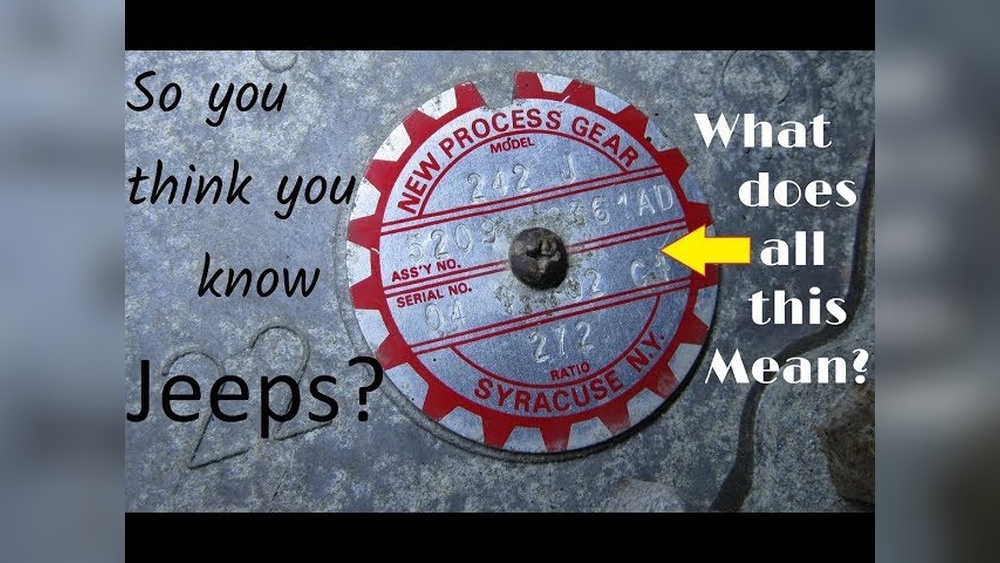
1. Check The Identification Tag
Most Jeep transfer cases have a metal tag riveted to the case. This tag lists important information:
- Model number (e.g., NP231, NV241)
- Serial number
- Assembly date
The tag is usually located on the back or side of the transfer case. Cleaning the area may be necessary to read it clearly. If the tag is missing or unreadable, try other methods below.
2. Compare Physical Features
Different transfer cases have unique shapes and bolt patterns. Here is a quick comparison of popular Jeep transfer cases:
| Model | Shape | Input Shaft | Common Jeep Models |
|---|---|---|---|
| NP231 | Small, rectangular | 21 or 23 spline | Wrangler YJ/TJ, Cherokee XJ |
| NP242 | Oval, larger | 23 spline | Cherokee XJ, Grand Cherokee ZJ |
| NV241 | Heavy, round | 32 spline | Wrangler JK, Rubicon |
Look for differences in the size, shape, and number of bolts. Some transfer cases have a vacuum switch, others use an electronic actuator. If you’re unsure, take a photo and compare it to images from reliable Jeep forums.
3. Use Vin And Jeep Build Sheet
Your Jeep’s Vehicle Identification Number (VIN) can reveal the original equipment. By entering your VIN on the manufacturer’s site or using a Jeep build sheet lookup tool, you may find details about the transfer case installed at the factory.
For example:
| VIN Digit | Transfer Case Info |
|---|---|
| 8 | Indicates drivetrain type |
| 10 | Model year (helps narrow options) |
Not all VIN decoders show transfer case details, but Jeep’s official build sheet or a dealership can help.
4. Reference Owner’s Manual And Service Records
Your owner’s manual often lists the transfer case model or specs. If you bought the Jeep used, check any service records or previous repair invoices. These may mention the transfer case type or part numbers used.
5. Ask Experts Or Use Online Resources
If all else fails, consult a Jeep specialist or use trusted online sources. Many Jeep forums and websites have guides to help you identify transfer cases based on year, model, and trim. For in-depth Jeep tech info, see Jeep Official Owners Site.
Common Jeep Transfer Case Models
Jeep has used multiple transfer case models. Here are some of the most common:
- NP231 – Found in Wrangler YJ/TJ and Cherokee XJ. Known for its durability and simple design.
- NP242 – Used in Cherokee XJ and Grand Cherokee ZJ. Offers full-time and part-time 4WD modes.
- NV241 – Installed in Wrangler JK Rubicon. Features heavy-duty construction and selectable 4WD.
- NP249 – Seen in Grand Cherokee ZJ. Has all-wheel-drive capabilities.
- NP207 – Early Cherokee XJ models. Now rare, but still used in some older Jeeps.
Each model has specific features. For example, the NP231 has a slip-yoke rear output, while the NV241 uses a fixed-yoke.
Non-obvious Insights For Beginners
Many new Jeep owners miss these points:
- Some transfer cases share similar names but have different internal parts. For example, NP231J and NP231C are not interchangeable.
- Swapping transfer cases often requires changes to the driveshaft or linkage. It’s not always plug-and-play.
Also, fluid type matters. Using the wrong fluid can damage the transfer case. Always check the exact model before buying fluids or parts.

Practical Tips For Accurate Identification
- Clean the area around the transfer case before checking tags or numbers. Dirt and oil can hide important markings.
- Take clear, close-up photos of the case and tag. If you ask for help online, good pictures speed up answers.
- Write down the serial numbers and compare them to Jeep parts catalogs.
- If your Jeep has been modified, double-check. Previous owners may have swapped transfer cases.
Troubleshooting Common Issues
Misidentifying your transfer case can lead to problems like:
- Incorrect fluid leaks
- Strange noises after repairs
- Poor 4WD performance
If you notice these issues after a repair or fluid change, double-check your identification. Catching mistakes early prevents expensive damage.

Frequently Asked Questions
What Is A Transfer Case In A Jeep?
A transfer case is a gearbox that splits power between the front and rear wheels. It allows your Jeep to use four-wheel drive (4WD) or all-wheel drive (AWD).
How Do I Find The Transfer Case Tag?
The tag is usually a small metal plate riveted to the side or rear of the transfer case. Clean off dirt and look for numbers stamped on the tag.
Can I Use The Vin To Identify My Transfer Case?
Sometimes. Your VIN can help, especially when combined with a Jeep build sheet. However, not all VIN decoders list transfer case info.
What Happens If I Use The Wrong Transfer Case Fluid?
Using the wrong fluid can cause internal damage, overheating, or leaks. Always use the fluid recommended for your specific transfer case model.
Are All Jeep Transfer Cases The Same?
No. Jeeps use different transfer cases depending on the model, year, and trim. Always identify your transfer case before buying parts or making repairs.
Identifying your Jeep’s transfer case may seem tricky at first, but it’s a skill every owner should learn. With careful inspection, reference to tags, VIN, and reliable sources, you can confidently determine your transfer case model. This knowledge will help you maintain, upgrade, or repair your Jeep without costly mistakes.