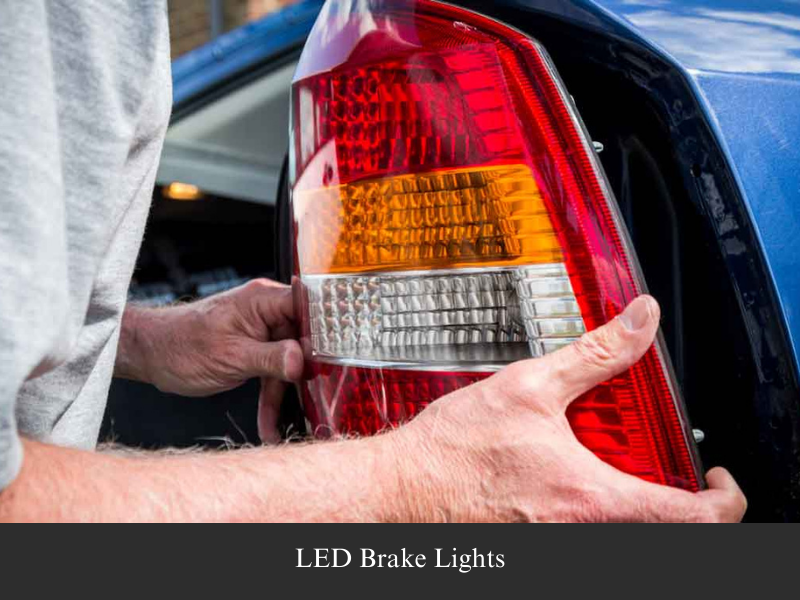
If your brake light stops working, you could face safety risks and even legal trouble. Brake lights warn other drivers when you are slowing down or stopping.
Fixing a broken brake light isn’t just about avoiding a ticket it keeps you and others safe on the road.
Many people assume this repair is complicated, but most brake light issues can be solved with basic tools and a little patience. Let’s go through clear steps and practical tips to help you repair your brake light quickly and confidently.
Understanding Brake Light Problems
A brake light can fail for several reasons. The most common causes include:
- Burned-out bulb
- Faulty fuse
- Wiring issues
- Bad brake light switch
Before you start fixing, it’s smart to diagnose the exact problem. Here’s how you can check what’s wrong:
- Ask someone to press the brake pedal while you watch the lights.
- If all brake lights are out, it’s likely a fuse or switch problem.
- If only one light is out, it’s probably the bulb or wiring.
Here’s a quick comparison of symptoms and likely causes:
| Symptom | Possible Cause | Repair Needed |
|---|---|---|
| One brake light out | Bulb or wiring | Replace bulb, check wiring |
| All brake lights out | Fuse or switch | Replace fuse, check switch |
| Brake lights stay on | Switch stuck | Replace or adjust switch |
How To Repair Brake Light: Step-by-step
Repairing a brake light can be simple if you follow a systematic approach. Always start by gathering the right tools:
- Screwdriver
- Replacement bulb
- Fuse (if needed)
- Gloves (to protect hands)
- Owner’s manual
Step 1: Locate The Brake Light Assembly
Open your trunk or hatchback. Most cars have brake lights accessible from inside the trunk or from outside using screws.
The owner’s manual will show the exact location.
Step 2: Remove The Light Cover
Use a screwdriver to unscrew the cover. Some covers pop out, while others require removing screws. Be gentle to avoid cracking the cover.
Step 3: Inspect And Replace The Bulb
Carefully remove the bulb. Check for dark spots or broken filaments. If the bulb looks damaged, replace it with a new one. Make sure the replacement bulb matches the original type and wattage. Here’s a quick bulb comparison for common US cars:
| Car Model | Bulb Type | Average Cost |
|---|---|---|
| Toyota Camry | 3157 | $4 – $8 |
| Ford F-150 | 1157 | $3 – $7 |
| Honda Accord | 7443 | $5 – $10 |
Step 4: Test The Light
After replacing the bulb, have someone press the brake pedal while you check the lights. If the light still doesn’t work, move to the next step.
Step 5: Check The Fuse
Find the fuse box (usually under the dashboard or in the engine compartment). Use the owner’s manual to locate the brake light fuse.
Pull it out and inspect for breaks. Replace the fuse if needed.
Step 6: Inspect The Wiring
Look for loose wires or corrosion. If you see damaged wires, you may need to cut and reconnect them using wire connectors.
This step is important if both the bulb and fuse are fine, but the light still doesn’t work.
Step 7: Check The Brake Light Switch
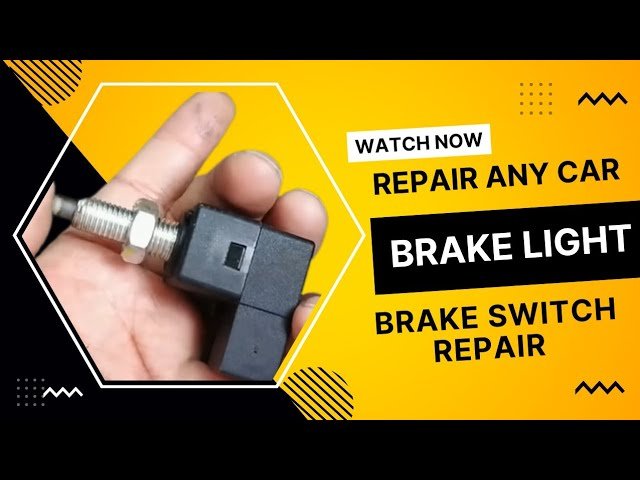
The brake light switch is near the brake pedal. If the lights stay on or don’t turn on at all, the switch might be faulty. Replacing the switch is more advanced, but most owner’s manuals provide clear guidance.
Safety Tips And Common Mistakes
Some people rush the repair and make mistakes. Avoid these errors:
- Using the wrong bulb type, which can cause electrical issues.
- Touching the new bulb with bare hands. Oils from your skin can reduce bulb life.
- Forgetting to test the lights after repair.
Always disconnect the car battery if you need to work with wiring or the brake light switch. This prevents shocks and short circuits.
When To Seek Professional Help
If you’ve tried all steps and the brake light still doesn’t work, the problem may be deeper. Issues like bad sockets, complex wiring faults, or electronic control modules usually need a mechanic. According to the National Highway Traffic Safety Administration, brake light failures cause thousands of accidents yearly. Don’t hesitate to get expert help if you’re unsure.
Useful Resources
For more details on car electrical systems and brake light repairs, visit Wikipedia’s Automotive Lighting.
Frequently Asked Questions
Why Do My Brake Lights Keep Burning Out?
Frequent bulb failure can be caused by vibration, poor-quality bulbs, or electrical surges. Try higher-quality bulbs and check for loose mounts.
Can I Use Led Bulbs Instead Of Standard Bulbs?
Yes, but make sure the LED matches your car’s socket type and voltage. Some older cars need a resistor with LED bulbs to avoid fast blinking.
Is It Safe To Drive With One Brake Light Out?
It’s unsafe and illegal in most states. Other drivers may not see your car stopping, increasing accident risk.
How Much Does A Brake Light Repair Cost?
DIY bulb replacement usually costs $3-$10. Fuse replacement is similar. Professional repairs for wiring or switches can range from $50-$200.
What If My Brake Lights Work Only Sometimes?
This usually means there’s an intermittent wiring issue or a failing switch. Inspect connections closely and replace parts if needed.
Fixing a brake light is a practical skill every car owner should learn. With the steps above, you can handle most repairs yourself and avoid common pitfalls.
Remember, working brake lights are essential for safety and for staying legal on the road.
Take your time, follow each step, and don’t hesitate to seek expert advice if the problem is complex.