Getting a thermostat unstuck is a common issue for homeowners and car owners. A thermostat controls temperature by opening and closing based on heat.
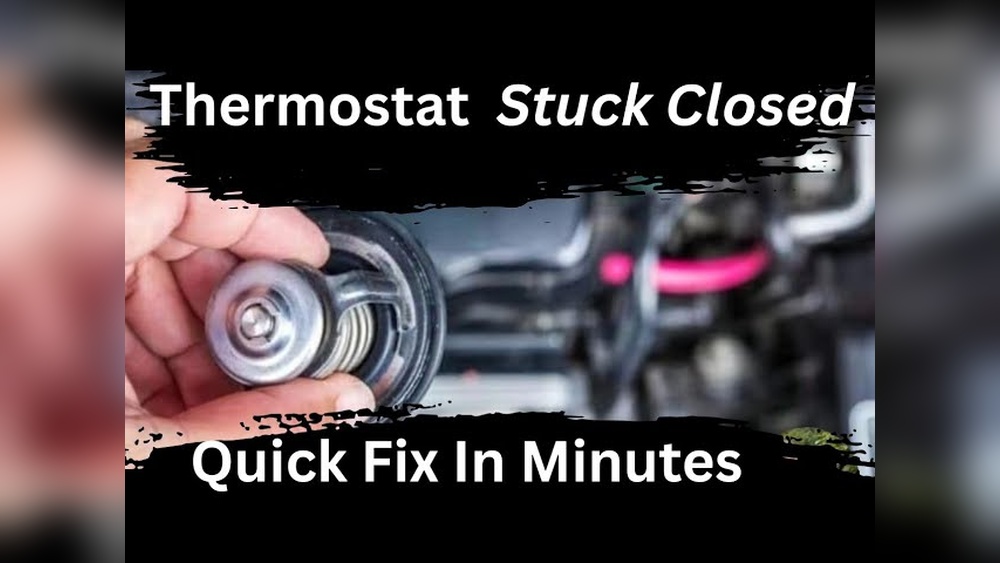
When it gets stuck, your heating or cooling system won’t work correctly. You might notice your room stays cold, your engine overheats, or your AC never shuts off.
Fixing this problem doesn’t always need a professional, but you should know what to look for and how to handle it safely.
Many people don’t realize how much a faulty thermostat affects comfort and safety. For example, your home might feel uncomfortable even if the heater or AC seems to be working.
In cars, ignoring a stuck thermostat can lead to breakdowns far from home.
Taking simple steps can prevent bigger headaches later.
Signs Your Thermostat Is Stuck
A stuck thermostat can show different symptoms depending on where it’s used. In homes, you may see the temperature display isn’t changing, or the system runs constantly. In cars, engines may overheat, or the heater doesn’t get warm.
Here’s a quick comparison of common signs:
| Home Thermostat | Car Thermostat |
|---|---|
| Room stays too hot or cold | Engine temperature too high |
| System won’t turn off | No warm air from heater |
| Display frozen or unresponsive | Coolant leaks |
Some thermostats may seem to work but are unreliable. For example, you might notice your system turns on and off at odd intervals, or the display shows a temperature that doesn’t match how the room feels.
In cars, the temperature gauge may move up and down quickly, or the air coming from the vents is never consistent.
These subtle signs are easy to miss but often point to the thermostat sticking inside.
Non-obvious insight: Sometimes, the thermostat appears to work, but cycles are very short or long. This is a sign of internal sticking, not complete failure. If you ignore these signs, your system can use more energy, causing higher bills or faster wear.
Why Thermostats Get Stuck
Understanding why thermostats get stuck helps prevent future problems. The main causes include:
- Dirt and dust: Particles can block moving parts.
- Old age: Worn-out springs or seals lose flexibility.
- Corrosion: Moisture causes metal parts to stick.
- Faulty wiring: Broken wires send wrong signals.
- Incorrect installation: Misaligned or loose parts jam the mechanism.
Thermostats in older homes or cars are especially prone to sticking. If you live in a humid climate, corrosion happens faster, and dust builds up more easily.
Electrical surges or power outages can also damage the thermostat’s internal parts, making them stick or freeze.
Hidden factor: Low-quality replacement thermostats are more likely to stick. Always buy from trusted brands. Saving a few dollars upfront can lead to bigger problems later. Some cheap thermostats use plastic parts that bend or break, causing sticking even when they are new.
How To Safely Unstick A Thermostat
Before you start, always turn off power or let the engine cool. Safety is essential.
Unsticking A Home Thermostat
- Turn off power at the circuit breaker.
- Remove the cover gently.
- Check for dust or dirt. Use a soft brush or compressed air to clean.
- Inspect for corrosion. If you see rust, the thermostat may need replacing.
- Move the dial or switch back and forth to free stuck parts.
- Reconnect the cover, restore power, and test the system.
If you find a lot of dirt, clean both the inside and outside carefully. Don’t use water or wet wipes; stick to dry cleaning tools.
Look for loose wires or broken connectors, which can cause sticking. Sometimes, simply moving the dial several times loosens stuck parts.
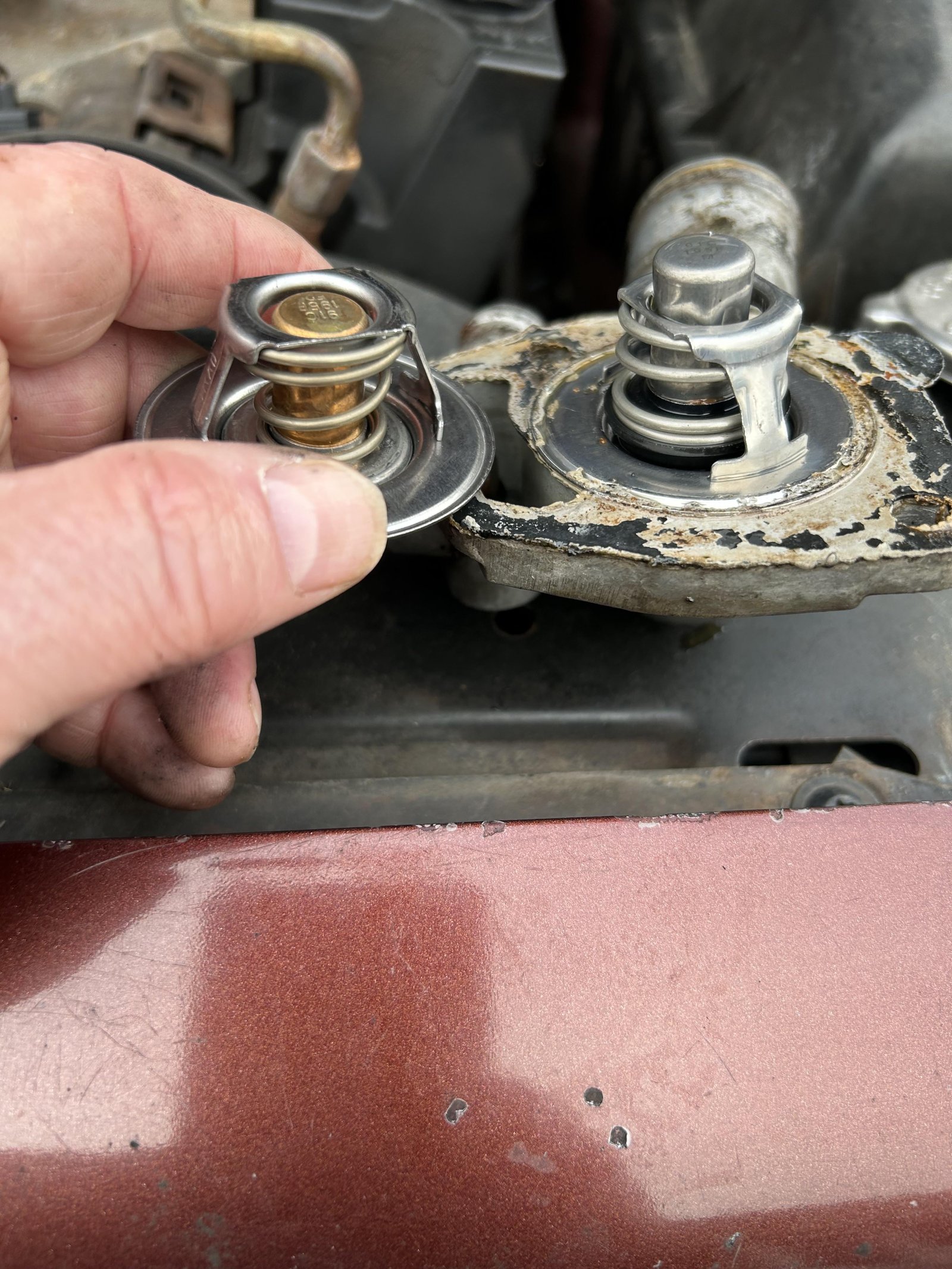
Unsticking A Car Thermostat
- Park and let the engine cool completely.
- Disconnect the battery for safety.
- Locate the thermostat housing (usually near the radiator).
- Remove housing bolts and take out the thermostat.
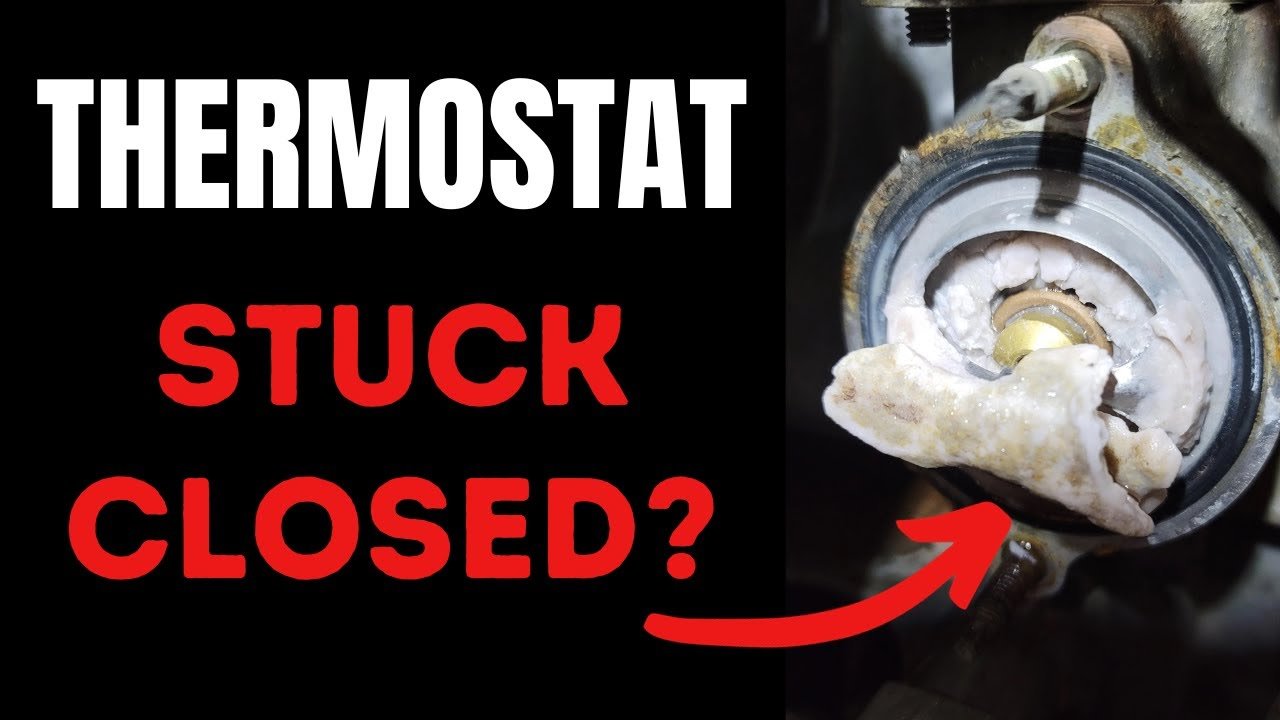
- Examine for debris or corrosion. Clean with a rag, but if parts are rusted, replacement is better.
- Move the thermostat gently to see if it opens/closes.
- Reinstall, tighten bolts, reconnect battery, and start the engine.
When handling car thermostats, use gloves to avoid contact with old coolant and sharp edges. Inspect the gasket and housing for wear; if these parts are damaged, leaks can happen.
After reinstalling, let the engine run for a few minutes and watch the temperature gauge to confirm normal operation.
Here’s a step comparison:
| Home | Car |
|---|---|
| Turn off power | Let engine cool |
| Remove cover | Remove housing bolts |
| Clean parts | Clean parts |
| Test movement | Test movement |
| Reinstall cover | Reinstall housing |
If you aren’t sure about your car’s thermostat location, check the manual or search online for your model. Some modern cars have sensors and extra wiring, so be careful not to damage them.
When To Replace Instead Of Repair
Sometimes, a stuck thermostat cannot be fixed. If you see these signs, replacement is the best option:
- Heavy corrosion
- Cracked plastic or metal
- Non-responsive after cleaning
- System still not working
Thermostats are inexpensive compared to the damage they can cause if ignored. For cars, a failed thermostat can lead to engine overheating and costly repairs.
If you replace a thermostat, always choose the correct type for your system. For homes, match voltage and compatibility with your heating or cooling unit.
For cars, use a thermostat designed for your engine. Installing the wrong part can cause new problems.
Common Mistakes To Avoid
- Forcing movement: Never force the thermostat. This can break internal parts.
- Ignoring safety: Not turning off power or letting the engine cool can cause shocks or burns.
- Using water to clean: Moisture can damage electronics.
- Skipping reinstallation steps: Loose covers or bolts lead to poor performance.
Some people forget to check the system after reinstalling the thermostat. Always test the heating or cooling system for proper operation.
If you hear unusual noises or smell burning, turn off the system and double-check your steps.
Practical tip: Always take photos before disassembly. This makes reinstallation easier, especially for beginners. Photos help you remember wire placements and screw locations, reducing mistakes.
Preventing Future Sticking
Regular maintenance can prevent sticking:
- Clean home thermostats every 6 months.
- Flush car cooling systems annually.
- Use high-quality parts for replacements.
- Check wiring connections for tightness.
Don’t forget to check batteries in programmable thermostats. Weak batteries cause display errors and make thermostats stick.
In cars, using fresh coolant helps prevent corrosion inside the thermostat housing.
Here’s a quick maintenance interval table:
| Task | Interval |
|---|---|
| Clean home thermostat | Every 6 months |
| Flush car cooling system | Yearly |
| Check wiring | Every 12 months |
If you schedule these tasks on your calendar, you’re less likely to forget. A little effort now keeps your systems reliable and avoids expensive repairs later.

Frequently Asked Questions
What Causes A Thermostat To Get Stuck?
Dirt, age, corrosion, faulty wiring, and cheap parts can cause sticking. In cars, coolant quality matters too.
Poor installation or power surges may also affect performance.
Is It Safe To Fix A Thermostat Myself?
Yes, for basic cleaning or movement checks, but always turn off power or let the engine cool. If you see heavy corrosion or damage, call a professional.
How Do I Know If My Thermostat Needs Replacement?
If cleaning doesn’t fix it, or you see cracks and rust, replacement is best. For cars, if the engine overheats after fixing, change the thermostat.
Can A Stuck Thermostat Damage My Heating Or Cooling System?
Yes. In homes, constant running wastes energy and can overheat elements.
In cars, a stuck thermostat can cause engine overheating or poor performance.
Where Can I Find More Information About Thermostats?
You can find detailed guides on Wikipedia for both home and automotive thermostats.
Getting a thermostat unstuck is usually simple if you follow safe steps and know what signs to look for. Regular cleaning and choosing quality parts help avoid most problems.
If you’re unsure, don’t hesitate to ask a technician. Fixing a stuck thermostat quickly saves money and keeps your system running smoothly.
Taking preventive actions ensures comfort and safety for both your home and your car.