Attaching a flag to your Jeep is more than just a style choice it’s a way to show pride, join events, or boost visibility off-road.
Many Jeep owners want to display their favorite colors, country flag, or club logo, but worry about damage or safety.
If you’re new to this, you may not know which mounts are safe or which methods last the longest. This guide helps you understand everything you need to confidently attach a flag to your Jeep without risking your vehicle or the flag itself.
Choosing The Right Flag And Mount
The first step is picking the right flag size and material. A flag that’s too large can block your view or stress your Jeep’s mount. Most owners choose flags between 12×18 inches and 3×5 feet. For off-road use, smaller flags are safer. Nylon flags are lightweight and hold up well to wind, while polyester flags are heavier but more durable for long drives.
Next, you need a proper flag mount. There are a few common options:
- Hitch mounts: Easy to install in the receiver hitch. Great for temporary setups.
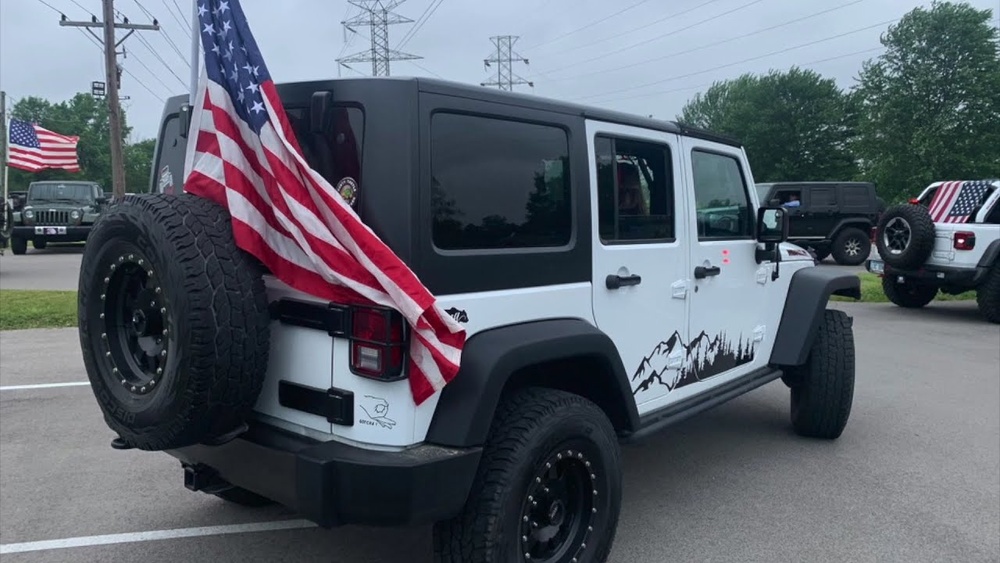
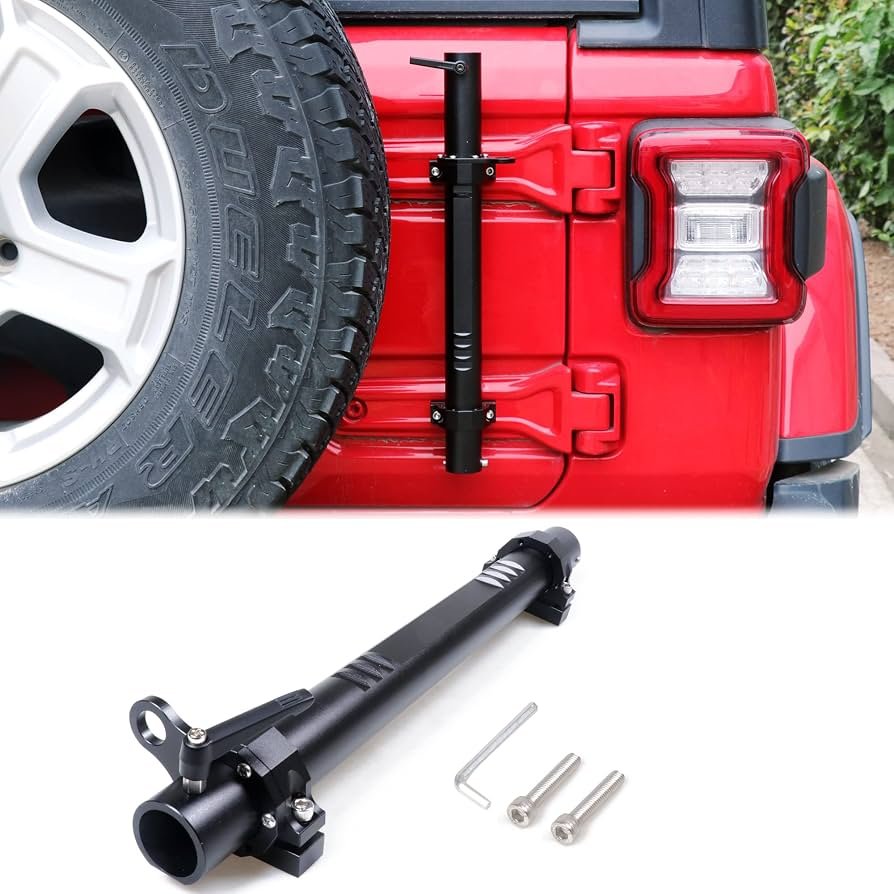
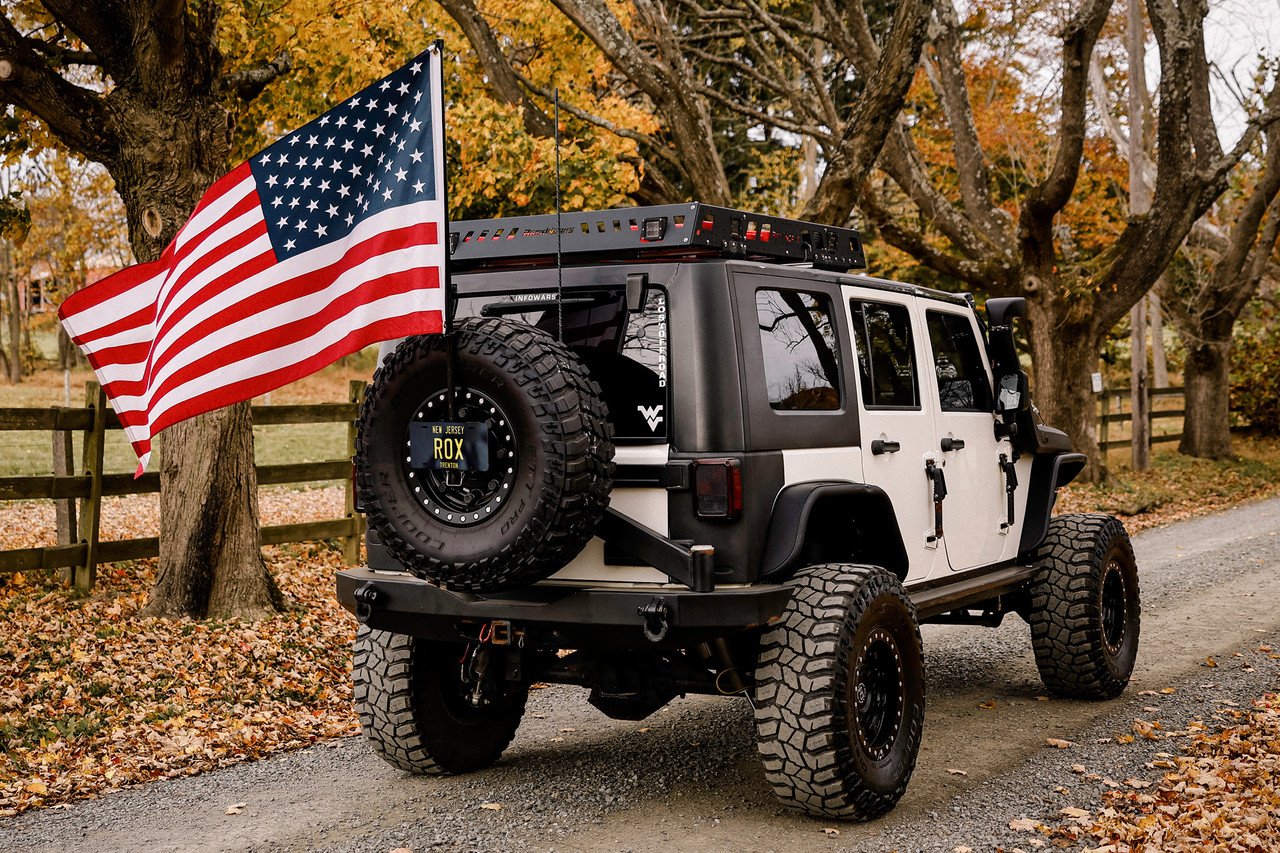
- Spare tire mounts: Attach behind the spare tire. Strong and secure for off-road.
- Bumper mounts: Require drilling or clamps. Best for permanent flag displays.
- Roll bar mounts: Clamp onto roll bars. Popular for Jeeps with open tops.
Each mount has pros and cons. Hitch mounts are quick to remove but can loosen if not checked.
Bumper mounts are solid but need installation tools.
Here’s a simple comparison of popular mount types:
| Mount Type | Installation Difficulty | Durability | Best For |
|---|---|---|---|
| Hitch Mount | Easy | Medium | Temporary |
| Spare Tire Mount | Moderate | High | Off-road |
| Bumper Mount | Hard | High | Permanent |
| Roll Bar Mount | Easy | Medium | Open-top |
Tools And Materials Needed
Before you start, gather these tools:
- Wrench or socket set
- Screwdriver
- Drill (for bumper mounts)
- Flag pole (aluminum or fiberglass)
- Mount kit (matches your Jeep and pole)
- Zip ties or clamps (for extra security)
Having the right tools avoids delays and ensures a solid fit.
Step-by-step Guide To Attaching A Flag
Attaching a flag is not difficult, but following each step helps prevent mistakes.
- Select the location: Decide where you want the flag—rear bumper, spare tire, roll bar, or hitch.
- Install the mount: For hitch mounts, insert the mount into the receiver and tighten. For spare tire mounts, remove the tire, place the mount, then reinstall the tire.
- Attach the flag pole: Slide the pole into the mount and secure with bolts or pins.
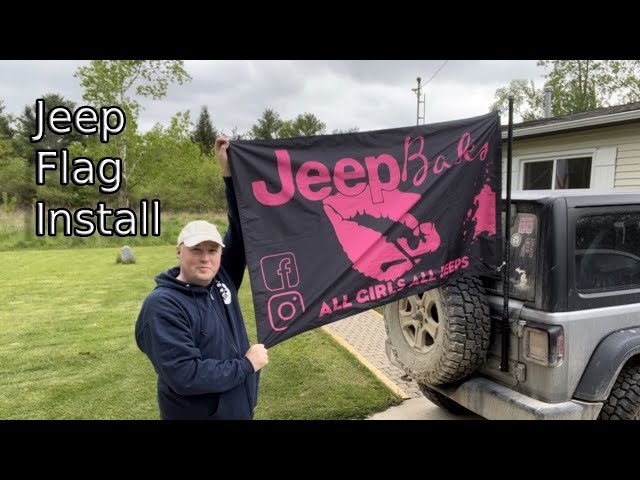
- Fasten the flag: Use the grommets or sleeves on the flag to attach to the pole. Make sure it is tight so it won’t slip during driving.
- Check clearance: Ensure the flag does not block taillights or license plates. It should not scrape the ground or drag behind the Jeep.
- Test stability: Shake the pole gently. If it moves, tighten the bolts or clamps. Check after the first drive for looseness.
Here’s a quick comparison of flag pole materials:
| Pole Material | Weight | Weather Resistance | Best Use |
|---|---|---|---|
| Aluminum | Light | Good | Daily driving |
| Fiberglass | Medium | Excellent | Off-road |
| Steel | Heavy | High | Heavy-duty |
Safety And Legal Tips
Some states have rules about flag size, height, or placement. For example, flags should not block lights or cause distractions. Usually, the flag pole should not stick out more than 4 feet above the roof.
- Always check your local laws before attaching a flag.
- If you’re off-roading, use brightly colored flags for visibility.
- Avoid placing the flag where it could hit pedestrians or cyclists.
A common mistake is using cheap mounts or poles. They can break, causing the flag to fly off during driving. Invest in quality kits for safety.
Maintenance And Troubleshooting
Flags and mounts need regular care. Wind, rain, and sun can fade or damage flags.
Check the mount after each drive, especially after off-roading. If the flag starts to fray, replace it. Tighten bolts and clamps monthly.
If you notice the flag flapping too much, try using heavier material or shorter poles. For noisy mounts, add rubber washers to reduce vibration.
One insight many new Jeep owners miss: the flag’s movement can damage paint if it’s too close to the body. Always leave a gap between the pole and Jeep surface.
Examples From Real Jeep Owners
Many Jeep clubs use spare tire mounts for group rides. In the annual Jeep Jamboree, over 60% of participants display flags using roll bar clamps for quick setup and removal. Some drivers use custom mounts welded to the bumper for year-round displays.
Statistics show that fiberglass poles last 30% longer than aluminum in harsh conditions. Choosing the right material saves money and hassle.
If you want more ideas on flag mounting, visit the Jeep Life page for inspiration.
Frequently Asked Questions
Can I Attach A Flag To My Jeep Without Drilling?
Yes, hitch mounts and roll bar clamps require no drilling. Spare tire mounts usually don’t need tools beyond a wrench.
What Size Flag Is Best For A Jeep?
For daily driving, flags between 12×18 inches and 2×3 feet work well. Larger flags are good for parades but may cause stress on the mount.
How Do I Keep My Flag From Tangling?
Use flag poles with rotating rings or anti-wrap features. Shorter poles and stiffer flags also help prevent tangling.
Is It Legal To Drive With A Flag On My Jeep?
In most places, yes if the flag doesn’t block lights or license plates and the pole is not dangerous. Check local laws for details.
How Often Should I Replace The Flag?
Replace the flag every 3-6 months if you drive often or after major fading, tearing, or fraying. Quality materials last longer.
Attaching a flag to your Jeep is simple when you use the right tools, materials, and techniques. Choose the best mount for your needs, follow safety rules, and maintain your flag for lasting pride and visibility.
Whether for club events, national holidays, or off-road safety, your Jeep and flag will stand out with the right setup.