A small hole in the sidewall of a tire can catch any driver off guard. You may notice a slow air leak, or perhaps you spot a tiny puncture after hitting a curb or sharp object.
While patching tire tread is common, fixing the sidewall is much trickier. Safety comes first, but understanding your options can save time and money.
Let’s walk through how to handle a small sidewall hole confidently, with real-world advice and clear steps.
Why Sidewall Damage Is Serious
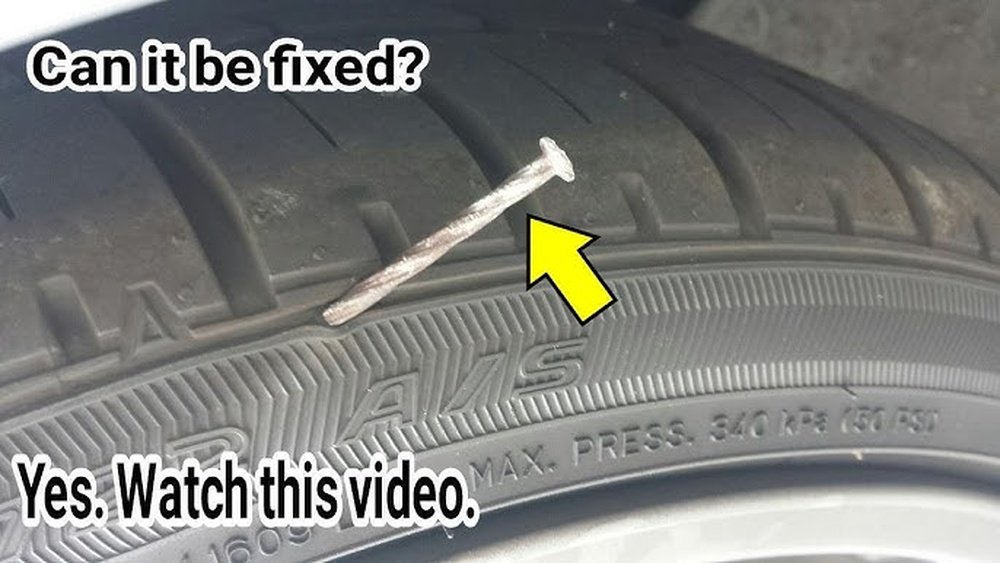
The sidewall of a tire is not just rubber—it’s a structural part. Unlike the tread, which can be patched in some cases, the sidewall flexes and supports the car’s weight. Damage here is riskier because:
- The sidewall has fewer layers of reinforcement.
- Repairs often fail under stress, leading to sudden blowouts.
- Most tire shops refuse to fix sidewall holes.
In fact, the National Highway Traffic Safety Administration (NHTSA) warns that sidewall repairs are unreliable and can lead to tire failure. A study showed sidewall puncture repairs fail up to 70% of the time under pressure. This data is why most experts recommend replacing a tire with sidewall damage.
Identifying A Small Sidewall Hole
Before deciding what to do, examine your tire closely. Look for:
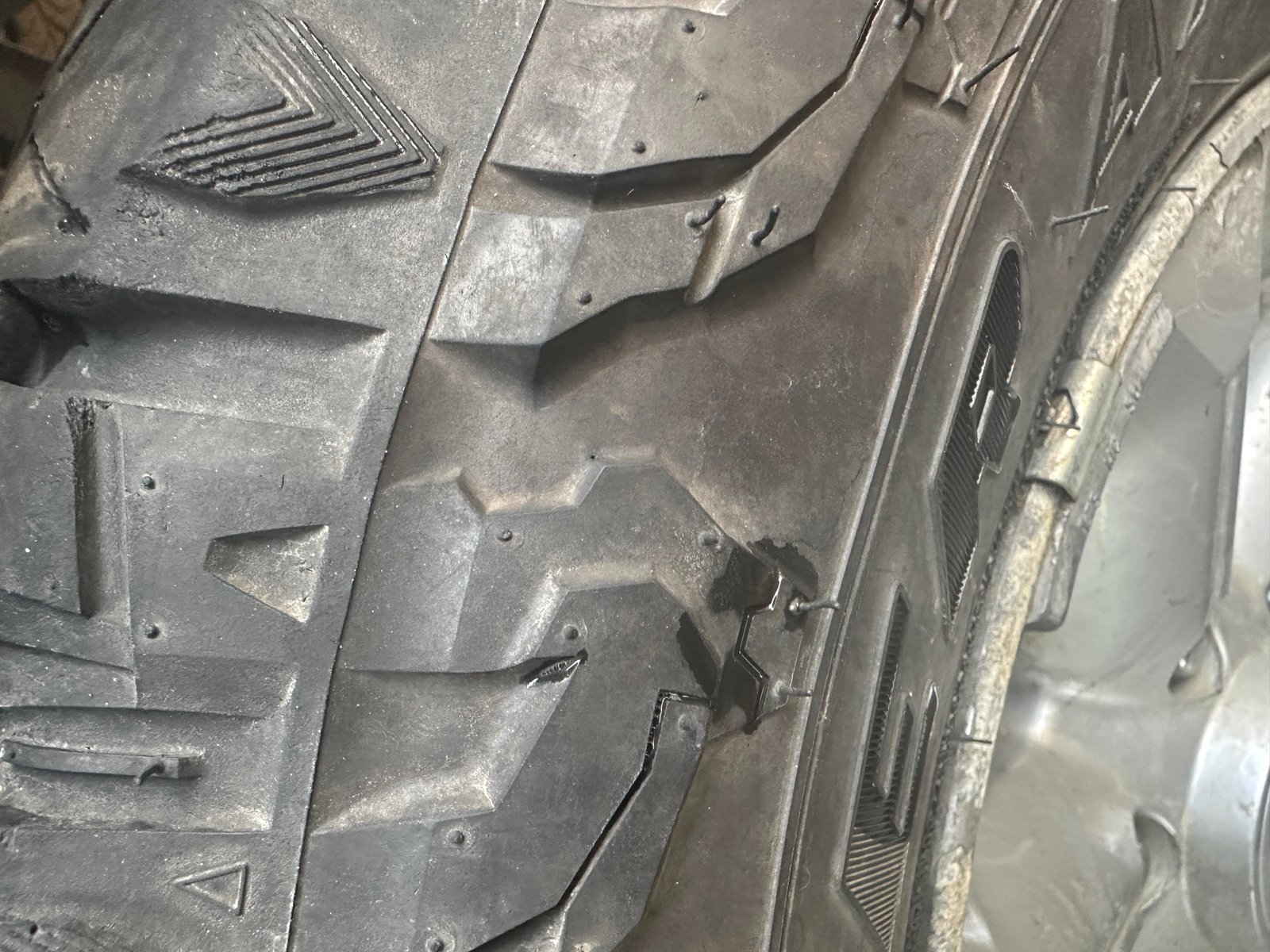
- A visible puncture or tear in the sidewall.
- Slow air loss, even if the hole is tiny.
- Bubbling, bulges, or cracks near the hole.
Even a pin-sized hole can lead to trouble. Use soapy water to check for leaks: bubbles will form where air escapes. If the hole is larger than 1/8 inch (about 3 mm), replacement is almost always necessary.
Can You Fix A Small Hole In The Sidewall?
Most manufacturers and mechanics say no—sidewall repairs are not safe. Here’s a quick comparison of tire repairable areas:
| Area | Repairable? | Risk Level |
|---|---|---|
| Tread (center) | Yes (if hole is ≤1/4″) | Low |
| Shoulder | No | High |
| Sidewall | No | Very High |
However, some DIY kits claim to fix small holes in the sidewall. These are temporary solutions and should only be used in emergencies to reach a shop. They are not permanent fixes.
Emergency Sidewall Repair Steps
If you must drive briefly with a small sidewall hole, follow these steps for a temporary repair:
- Clean the area around the hole with a dry cloth.
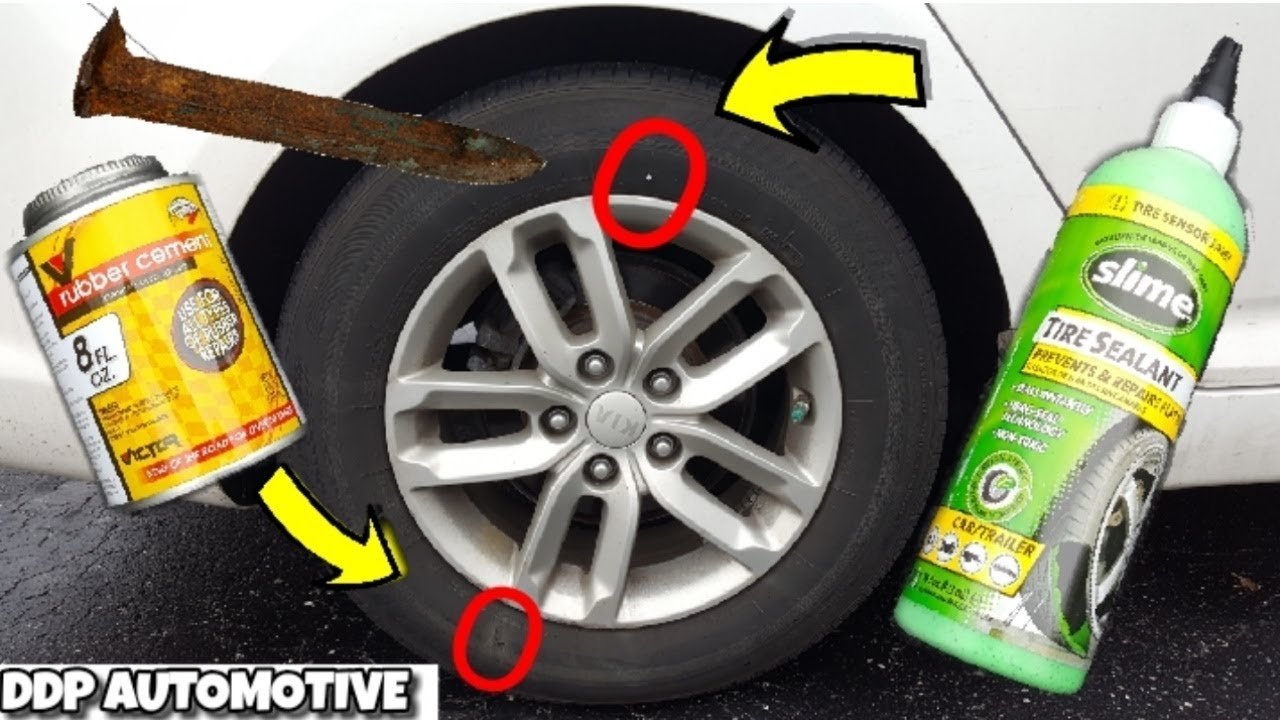
- Apply rubber cement or a tire sealant over the hole. Products like Slime or Fix-a-Flat can seal tiny leaks.
- Press a patch (from a tire repair kit) firmly onto the hole. Hold for 1-2 minutes.
- Inflate the tire to the recommended pressure. Check for leaks with soapy water.
- Drive slowly, avoiding highways and sharp turns. Go straight to a tire shop.
Remember: this is only to get you to safety. Don’t rely on temporary repairs for regular driving.
Comparing Tire Replacement Vs. Repair
If the hole is small, you might wonder if a repair is cheaper. Let’s compare costs and safety:
| Option | Average Cost | Safety | Lifespan |
|---|---|---|---|
| Temporary Sidewall Patch | $10–$30 | Poor | Hours–Days |
| New Tire Replacement | $100–$250 | Excellent | 3–5 Years |
While the patch is cheaper, the risk is high. Most experts agree you should replace the tire for full safety.
What Tire Shops Will Do
When you bring a tire with a sidewall hole to a shop, expect:
- Inspection of the damage.
- Refusal to patch or repair the sidewall.
- Recommendation to buy a new tire.
Shops follow strict guidelines. The Rubber Manufacturers Association says sidewall repairs do not meet safety standards. Some shops may offer a discount if your tire is still under warranty.
Non-obvious Tips For Handling Sidewall Damage
- Check your spare tire’s condition before emergencies. Many people ignore spares, but they can save you time and money.
- Document the damage with photos. If your tires are new, some warranties cover accidental damage—photos help your claim.
- Avoid driving on underinflated tires. Low air pressure makes sidewall damage worse and increases the risk of a blowout.
When Is Tire Replacement Mandatory?
There are cases where you must replace the tire:
- The hole is larger than 1/8 inch.
- There’s a bulge or bubble.
- Multiple sidewall punctures.
- The tire is losing air rapidly.
If you’re unsure, a professional inspection can tell you if the tire is safe.
How To Prevent Sidewall Holes
Prevention is easier than repair. Here are some tips:
- Keep tires inflated to correct pressure.
- Avoid curbs, potholes, and sharp objects.
- Inspect tires monthly for cracks, cuts, or bulges.
- Rotate tires every 5,000–8,000 miles to reduce uneven wear.
According to the Tire Industry Association, regular checks reduce the risk of sudden tire failure by over 50%. Prevention saves money and keeps you safer on the road.
Frequently Asked Questions
What Happens If I Drive With A Small Sidewall Hole?
Driving with a sidewall hole is risky. The tire can suddenly blow out, causing loss of control.
Only use temporary repairs to reach a shop, never for regular driving.
Can I Use A Tire Plug For A Sidewall Hole?
No. Tire plugs are designed for the tread area, not the sidewall. Plugs won’t hold up to sidewall flexing and can fail quickly.
Are Sidewall Patches Safe For Long-term Use?
Sidewall patches are not safe for long-term use. They are only meant for emergencies. Replace the tire as soon as possible.
Is Tire Sealant Effective For Sidewall Holes?
Tire sealant can seal tiny leaks for a short time. However, it’s not a permanent fix for sidewall damage. Use it only to get to a repair shop.
Where Can I Find Official Guidance On Tire Repairs?
You can find detailed tire repair guidelines from the National Highway Traffic Safety Administration.
Small sidewall holes are a challenge every driver should take seriously. The safest solution is always tire replacement, but temporary repairs can help in emergencies.
Understanding the limits of sidewall fixes and following best safety practices will keep you and your passengers safer on the road.