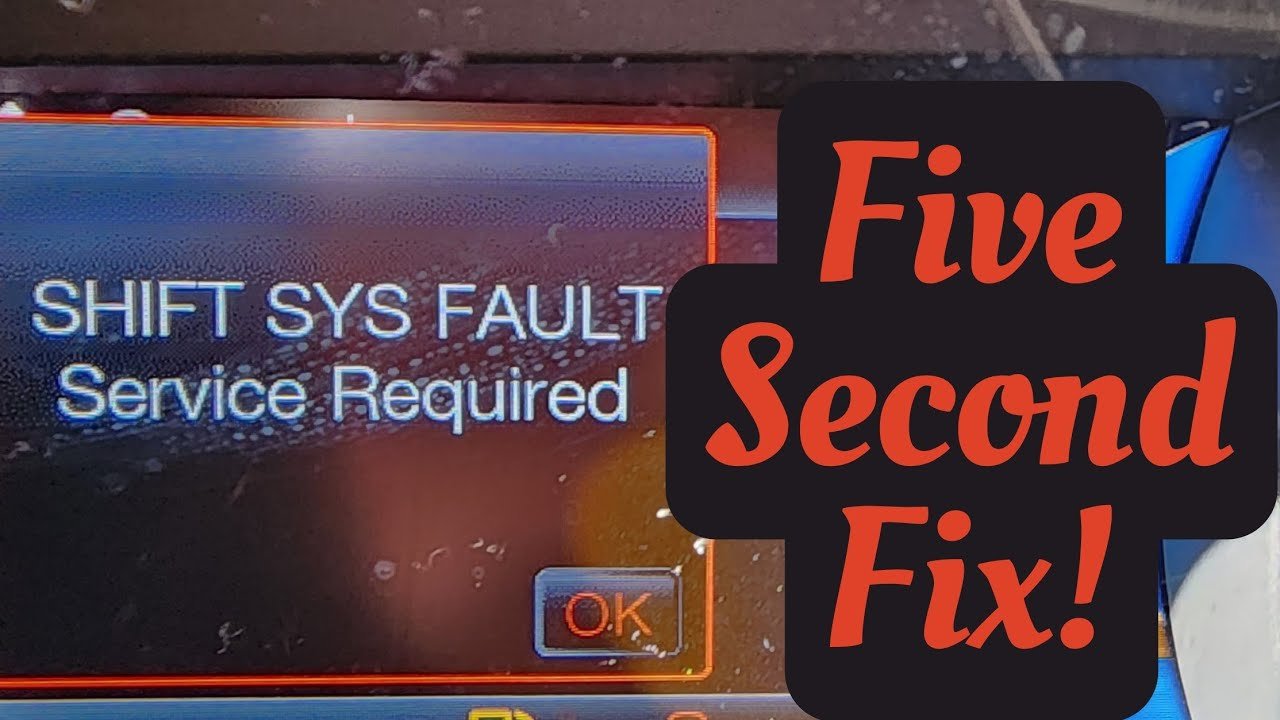
A “Shift System Fault” is a warning that appears on many modern vehicles, especially those with automatic transmissions. It signals a problem with the system that controls gear shifting.
This alert can cause your car to drive poorly, get stuck in one gear, or even fail to move.
If you see this fault, it’s important to act quickly. Ignoring it can lead to expensive repairs or even unsafe driving conditions.
Understanding the causes and solutions for this error helps you save time and money. Whether you’re a car owner or a mechanic, knowing what steps to take makes the fixing process easier.
This guide explains why the shift system fault happens, how to diagnose it, and how to fix it without confusion.
What Causes Shift System Fault?
The shift system fault can happen for several reasons. Here are the most common causes:
- Low transmission fluid: Fluid lubricates and cools the transmission. Low levels can cause overheating, rough shifts, or complete failure.
- Faulty sensors: Sensors like the transmission range sensor or speed sensor send data to the control system. If they fail, the car cannot shift properly.
- Damaged wiring or connectors: Electrical faults stop signals from reaching the transmission control module (TCM).
- Failed transmission control module: The TCM is the “brain” for shifting. If it malfunctions, shifting becomes unpredictable.
- Mechanical problems: Internal parts like solenoids, gears, or clutches may wear out or break.
Here’s a quick comparison of the main causes and their impact:
| Cause | Common Symptoms | Repair Difficulty |
|---|---|---|
| Low Fluid | Slipping, hard shifts | Easy |
| Sensor Fault | Erratic shifting, warning lights | Moderate |
| Wiring Issue | No shifting, error codes | Moderate |
| TCM Failure | Stuck in gear | Hard |
| Mechanical Fault | No movement, loud noises | Hard |
How To Diagnose Shift System Fault
Fixing the fault starts with accurate diagnosis. Here are practical steps:
- Scan for error codes: Use an OBD-II scanner to read codes from the car’s computer. Codes like P0700 or P0715 often indicate transmission faults.
- Check fluid level and quality: Inspect the transmission fluid using the dipstick. Look for low levels or dirty, burnt fluid.
- Inspect wiring and connectors: Look for loose, corroded, or broken wires near the transmission and TCM.
- Test sensors: Use a multimeter to check if sensors are getting power and sending correct signals.
- Examine mechanical parts: If other steps don’t reveal the problem, internal damage may be present.
Here’s a table showing common diagnostic tools and their uses:
| Tool | Purpose | Cost Range |
|---|---|---|
| OBD-II Scanner | Read error codes | $30 – $200 |
| Multimeter | Check electrical signals | $10 – $50 |
| Fluid Tester | Check fluid quality | $15 – $40 |
| Basic Tools | Remove parts, check connectors | $20 – $100 |

How To Fix Shift System Fault
The solution depends on the cause. Here are the most effective fixes:
1. Add Or Replace Transmission Fluid
If fluid is low or dirty:
- Add fluid until it reaches the correct level.
- If fluid is dark or smells burnt, drain and refill with new fluid.
- Use the fluid type recommended in your car’s manual.
2. Repair Or Replace Faulty Sensors
If sensors are bad:
- Find the faulty sensor using error codes.
- Replace with a new sensor. Most cost $50-$150.
- Reset the error codes after installation.
3. Fix Wiring And Connectors
If wiring is damaged:
- Clean corroded connectors.
- Repair or replace broken wires.
- Secure loose connections.
4. Replace Transmission Control Module
If the TCM is faulty:
- Buy a new or rebuilt TCM (costs $200-$700).
- Install according to manufacturer instructions.
- Some vehicles require programming after installation.
5. Repair Mechanical Parts
If internal parts are damaged:
- Remove the transmission for inspection.
- Replace worn clutches, gears, or solenoids.
- This repair is complex and often requires a professional.
Here’s a simple repair comparison for cost and time:
| Repair | Typical Cost | Time Needed |
|---|---|---|
| Fluid Change | $50 – $150 | 30 mins |
| Sensor Replace | $50 – $200 | 1 hour |
| Wiring Repair | $20 – $100 | 1-2 hours |
| TCM Replace | $200 – $700 | 2-3 hours |
| Mechanical Repair | $500 – $2,000 | 1-2 days |
Tips For Preventing Shift System Fault
- Check transmission fluid regularly.
- Fix leaks as soon as possible.
- Avoid aggressive driving, which strains the transmission.
- Get regular maintenance checks.
- Use parts recommended by the manufacturer.
Most beginners forget to check connectors after repairs. Loose or corroded connectors can cause the fault to return.
Also, many people skip resetting error codes after fixing the problem. Always use a scanner to clear codes so the system can work correctly.
When To Seek Professional Help
If repairs are too complex or the fault keeps coming back, it’s best to go to a certified mechanic. Transmission repairs can be difficult and require special tools. Attempting a fix without proper skills can make the problem worse.
For more technical details about automatic transmissions and faults, you can read articles on Wikipedia.
Frequently Asked Questions
What Does “shift System Fault” Mean?
It means there is a problem with the system that controls gear shifting. This can affect how your car drives and may prevent it from shifting properly.
Can I Drive With A Shift System Fault?
Driving is risky. You may get stuck in one gear or lose power.
It’s best to fix the fault before driving further.
How Much Does It Cost To Fix Shift System Fault?
Costs range from $50 for fluid changes to over $2,000 for major repairs. The exact price depends on the cause.
Will Resetting The Error Codes Fix The Fault?
Resetting codes alone won’t solve the problem. You must fix the underlying cause first.
After repairs, clear the codes so the system works correctly.
What Are Signs Of A Failing Transmission Control Module?
Common signs include stuck gears, warning lights, erratic shifting, and loss of power. If you notice these, get your TCM checked soon.
Fixing a shift system fault can seem difficult, but following these steps makes it manageable. Quick action prevents bigger problems and keeps your car safe.
Checking fluid, sensors, and wiring first often solves the issue. If repairs are too complex, trusted mechanics can help.
Understanding the fault and acting early always saves money and trouble in the long run.