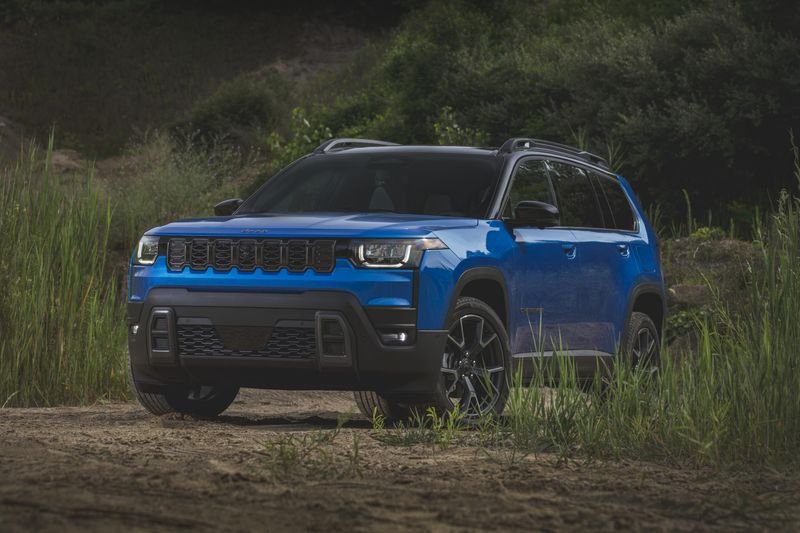
If you drive a Jeep, you may have heard about death wobble. This scary problem causes the front wheels and steering wheel to shake violently. It often happens after hitting a bump at highway speeds. Many Jeep owners feel anxious about it, but the good news is you can fix death wobble with the right approach. This guide explains what causes death wobble, how to diagnose the issue, and the steps to repair it. With clear advice and practical tips, you’ll learn how to keep your Jeep safe on the road.
What Is Death Wobble?
Death wobble is a rapid and strong shaking of the Jeep’s steering and front suspension. It usually starts after hitting a pothole or bump. Most often, it happens in solid front axle Jeeps like the Wrangler and Cherokee. The shaking can be so intense that you must slow down or stop to regain control.
Some drivers confuse death wobble with normal vibration. But death wobble is much worse. It feels like the Jeep is falling apart. According to the National Highway Traffic Safety Administration, thousands of complaints are reported each year, mostly in Jeeps with solid axles.
Common Causes Of Death Wobble
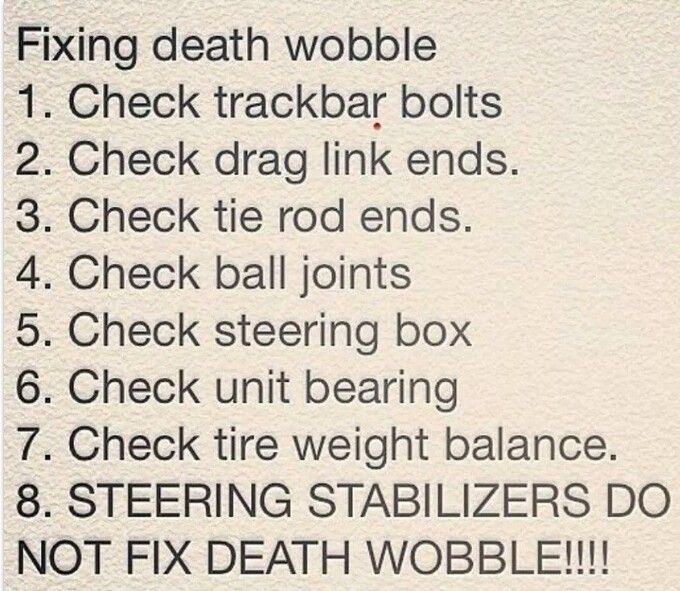
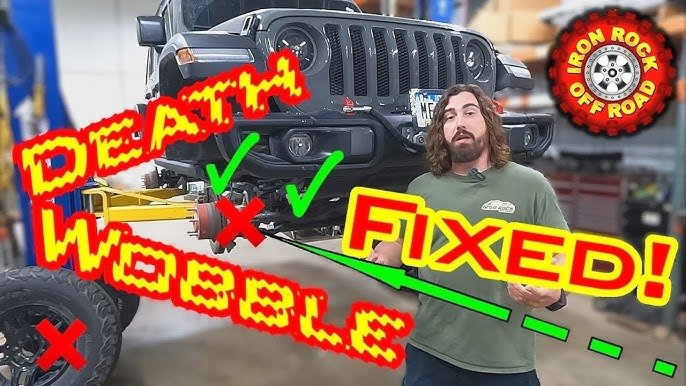
Death wobble is not caused by one single problem. It usually happens because of a combination of worn or loose parts. Here are the most frequent causes:
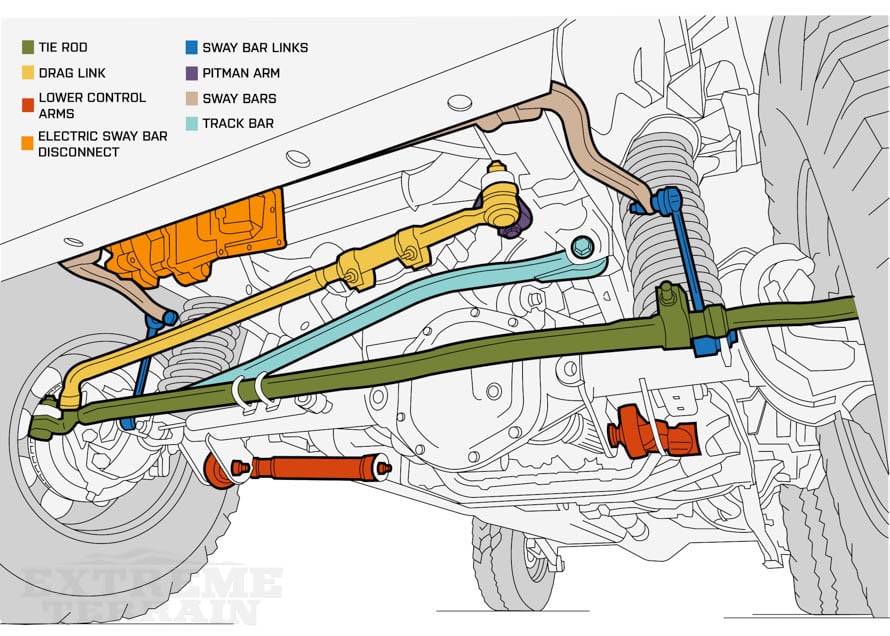
- Worn track bar bushings: The track bar keeps the axle in place. If its bushings are worn or loose, the axle moves side to side, causing wobble.
- Loose steering components: Tie rod ends, ball joints, and drag links connect the steering. If they are loose, the steering can shake.
- Damaged wheel bearings: Bad wheel bearings allow the wheels to wobble.
- Incorrect tire pressure or balance: Unbalanced tires or wrong pressure make the problem worse.
- Bent or damaged suspension parts: A bent axle, control arm, or track bar can cause instability.
A surprising insight: Even small wear in one part can trigger death wobble if other parts are already weak. For example, a tiny movement in the track bar can set off a chain reaction in the steering system.
Diagnosing Death Wobble
Finding the exact cause is key. Here’s how to diagnose death wobble:
- Inspect track bar and bushings: Look for cracks, movement, or looseness.
- Check steering linkage: Grab tie rod ends, drag link, and ball joints. Wiggle them to see if there’s play.
- Examine wheel bearings: Jack up the Jeep and shake each wheel. Any movement means the bearing may be bad.
- Check tires: Look for uneven wear, low pressure, or missing balance weights.
- Look for bent parts: Use a flashlight to spot any bends or damage in the suspension.
A helpful tip: Have someone turn the steering wheel while you watch the components. Movement in the track bar or linkage is a sign something needs fixing.
How To Fix Death Wobble On A Jeep
Once you identify the problem, follow these steps:
1. Tighten All Bolts
Loose bolts are a common cause. Using a torque wrench, tighten the track bar, control arms, tie rod ends, and steering box bolts to factory specifications. Even a half-turn can make a difference.
2. Replace Worn Parts
If you find worn bushings, ball joints, or tie rod ends, replace them. Always use quality parts.
Cheap replacements can cause the problem to return.
3. Balance And Align Tires
Get your tires balanced at a shop. Also, check the alignment.
A small misalignment can lead to wobble. Most shops charge $60 $100 for balancing and $80 $150 for alignment.
4. Check And Replace Wheel Bearings
If the wheel bearings are loose or noisy, replace them. This job takes about 1 2 hours per side. Wheel bearings cost $50 $150 each.
5. Inspect And Repair Suspension
If you find bent or damaged parts, repair or replace them. Sometimes, you need a professional to straighten or install new parts.
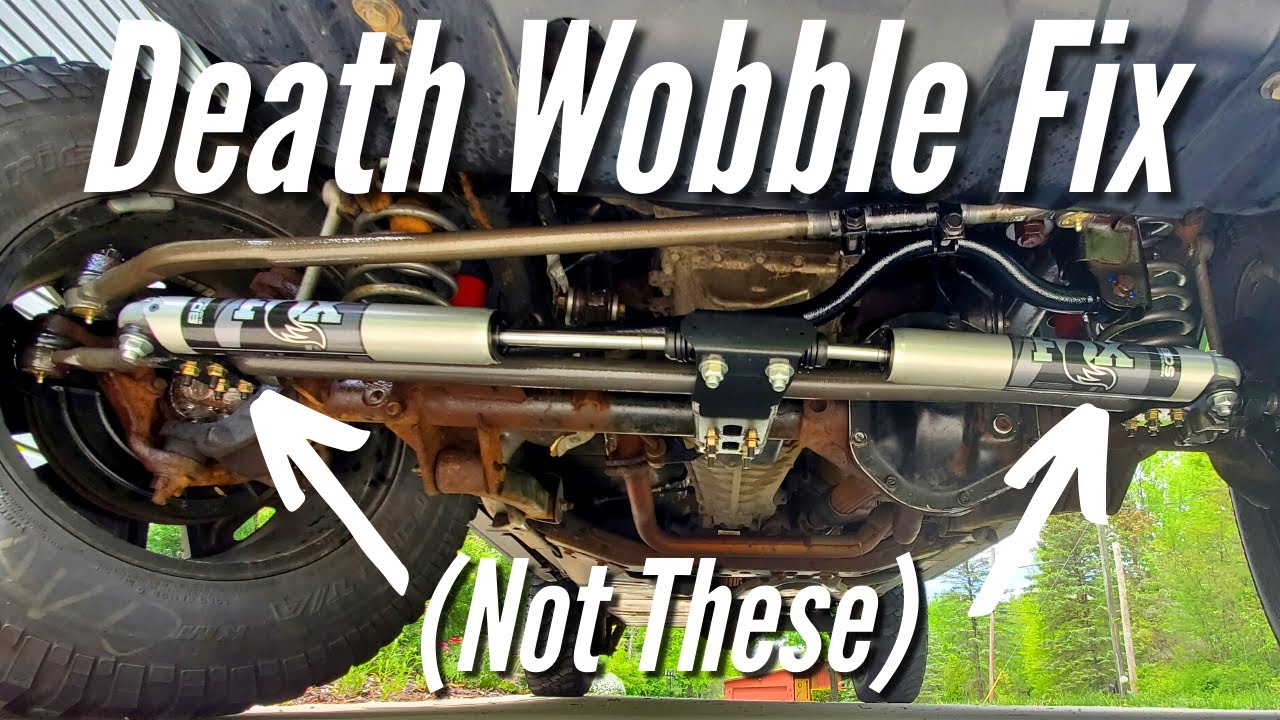
6. Upgrade Steering Stabilizer
A steering stabilizer helps control minor vibrations. If yours is weak, install a new heavy-duty stabilizer.
This is not a cure for death wobble, but it helps after fixing the main causes.
Here’s a comparison of common repair costs:
| Repair | DIY Cost | Shop Cost | Time Required |
|---|---|---|---|
| Track Bar Replacement | $80–$200 | $200–$400 | 1–2 hours |
| Ball Joint Replacement | $50–$120 | $200–$350 | 2–3 hours |
| Tire Balancing | $60–$100 | $60–$100 | 30–60 minutes |
Preventing Death Wobble
After fixing the problem, you want to avoid it in the future. Here are simple ways:
- Check suspension regularly: Inspect bolts and bushings every oil change.
- Rotate and balance tires: Do this every 6,000–8,000 miles.
- Avoid cheap lift kits: Low-quality kits can cause geometry problems.
- Replace worn parts early: Don’t wait for big problems.
A little-known tip: After installing a lift kit, get a professional alignment. Many Jeep owners skip this step, which leads to death wobble later.
Here’s a quick comparison between factory suspension and lifted suspension:
| Suspension Type | Death Wobble Risk | Maintenance Needed |
|---|---|---|
| Factory Suspension | Low | Standard |
| Lifted Suspension | High | Frequent checks |
Frequently Asked Questions
What Years Of Jeep Are Most Affected By Death Wobble?
Death wobble is most common in Wrangler (JK, TJ) and Cherokee (XJ) models from the late 1990s to early 2010s. These models have solid axles, which are more prone to wobble.
Can Death Wobble Be Fixed Permanently?
Yes, if you repair or replace all worn parts and keep the suspension tight, death wobble can be fixed permanently. Regular maintenance is key.
Is Death Wobble Dangerous?
Death wobble is very dangerous. It can cause loss of control and accidents.
Always stop driving and fix the issue as soon as possible.
Will A Steering Stabilizer Alone Stop Death Wobble?
No. A steering stabilizer helps with small vibrations but will not fix the root cause. Fix worn or loose parts first.
Where Can I Find More Technical Details?
For in-depth technical information, visit the Wikipedia page on Death Wobble.
Fixing death wobble on your Jeep requires careful inspection and the right repairs. With regular maintenance, quality parts, and attention to detail, you can enjoy safe driving and avoid this scary problem.
Don’t wait until death wobble appears stay proactive and keep your Jeep running strong.