If you own a Jeep with a soft top, you know the frustration of a stuck or broken zipper. These zippers handle a lot dirt, sun, rain, and rough roads.
A stuck zipper can make your soft top hard to use, or even let water inside.
Luckily, you can fix most Jeep zipper problems at home with a few tools and simple steps. This guide will show you how to repair your Jeep zipper quickly, avoid common mistakes, and keep your soft top in good shape for years.
Common Jeep Zipper Problems
Jeep zippers often face specific issues. Here are some of the most frequent problems:
- Stuck zipper due to dirt or corrosion
- Missing or misaligned teeth
- Broken zipper pull
- Zipper separating after closing
Not every problem needs a new zipper. Many can be fixed with a little patience and the right tools.
Tools And Materials Needed
Before you start, gather these items:
- Zipper lubricant (silicone spray or beeswax)
- Small brush or old toothbrush
- Needle-nose pliers
- Replacement zipper pull (if needed)
- Mild soap and water
- Soft cloth
Having these ready will make the repair smoother and faster.

Step-by-step Guide To Fixing A Jeep Zipper
1. Cleaning The Zipper
Dirt and debris are the main reasons zippers get stuck. Use a soft brush or old toothbrush to gently clean both sides of the zipper.
Wash away any mud or sand with mild soap and water. Dry the area with a soft cloth.
Non-obvious insight: Even light dust can make a zipper stick, especially after rain. Cleaning before lubricating prevents grit from causing more damage.
2. Lubricating The Zipper
After cleaning, apply zipper lubricant. You can use a silicone spray, beeswax, or a product made for outdoor zippers.
Move the zipper up and down gently to work the lubricant in.
Tip: Avoid using petroleum jelly or oil. These attract dust and can make the problem worse over time.
3. Fixing A Stuck Or Misaligned Zipper
If the zipper is stuck, don’t force it. Instead:
- Hold the fabric tight on both sides.
- Wiggle the zipper pull gently back and forth.
- If it moves, run it fully back and forth to check for smoothness.
For misaligned teeth, use needle-nose pliers to gently realign them. Be careful not to bend the metal too much.
4. Repairing Or Replacing A Zipper Pull
A broken zipper pull is common on older Jeep tops. If it breaks:
- Remove the old pull with pliers.
- Slide on a new one, making sure it fits the size of your zipper.
- Test the zipper to ensure it moves smoothly.
5. Dealing With Zipper Separation
If the zipper separates after closing, the slider might be worn out. You can try tightening it:
- Use pliers to gently squeeze both sides of the slider.
- Try the zipper again. If it still separates, replace the slider.
Replacing the slider is more affordable than replacing the whole zipper. Sliders are available at most auto or outdoor stores.
Comparing Zipper Lubricants
Choosing the right lubricant can make a big difference. Here’s a quick look at popular options:
| Lubricant Type | Pros | Cons |
|---|---|---|
| Silicone spray | Easy to apply, water-resistant | May attract dust if overused |
| Beeswax | Natural, long-lasting | Can be sticky in hot weather |
| Graphite powder | Dry, does not attract dust | Messy, hard to control amount |
Pro tip: For Jeep soft tops, silicone spray or beeswax are usually best.
When To Replace The Entire Zipper
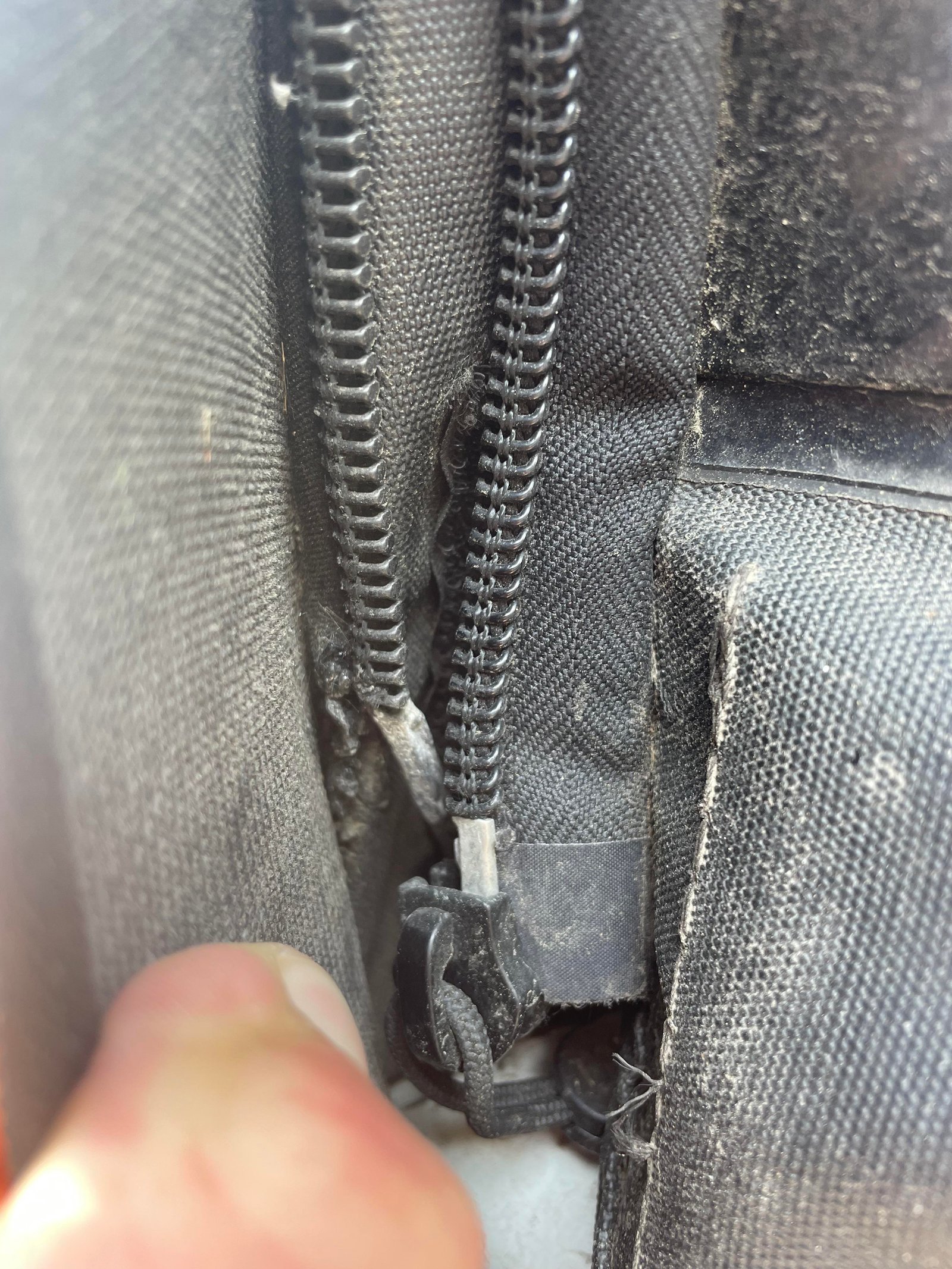
Sometimes, repair isn’t enough. If your zipper has large gaps, missing teeth, or the fabric is torn, replacement is the only option.
Signs you need to replace:
- Large sections of missing teeth
- Slider won’t stay closed after tightening or replacing
- Fabric around zipper is damaged
A professional upholstery or Jeep shop can replace the zipper. This is often cheaper than buying a new soft top.
Preventing Future Zipper Problems
Prevention is easier than repair. Here’s how you can avoid common zipper issues:
- Clean your zippers every month, especially after off-roading.
- Lubricate zippers at the start and end of each season.
- Avoid forcing stuck zippers—fix the cause first.
- Store your Jeep with the soft top closed to keep out dirt and water.
Many owners forget regular cleaning. Even a quick wipe after muddy trips can add years to your zippers.
Quick Comparison: Diy Repair Vs. Professional Service
To help you decide whether to fix your zipper yourself or go to a pro, see the differences below:
| DIY Repair | Professional Service |
|---|---|
| Low cost Immediate fix Good for minor issues | Higher cost Expert repair Best for major damage |
| Requires time and patience | Saves your time |
| Tools may be needed | All tools provided |
In most cases, minor zipper issues can be solved at home. For serious problems, professional help is worth considering.
Extra Tips From Jeep Owners
- Always keep a small tube of zipper lubricant in your glove box.
- Use a toothpick to apply lubricant in tight spots.
- If camping, check zippers before rain to avoid leaks.
Many beginners miss the importance of using gentle pressure. Forcing a stuck zipper can break the slider or tear the fabric.
Frequently Asked Questions
What Lubricant Is Best For Jeep Zippers?
Silicone spray or beeswax is best. Avoid oil-based products they attract dirt and can damage the zipper over time.
Can I Replace A Jeep Zipper Myself?
Yes, if you have basic tools and patience. However, replacing the entire zipper is a detailed process.
For severe damage, a professional service is safer.
Why Does My Zipper Keep Getting Stuck?
Usually, it’s due to dirt, grit, or lack of lubrication. Regular cleaning and lubrication can prevent most sticking issues.
Is There A Quick Fix For A Broken Zipper Pull?
You can use a key ring or small piece of wire as a temporary pull. For a long-term fix, replace with a new zipper pull that matches the size.
Where Can I Find Replacement Parts For My Jeep Zipper?
Most auto parts stores and online retailers carry zipper pulls and sliders. For hard-to-find parts, check with Jeep dealers or official Jeep accessories.
A working zipper keeps your Jeep soft top secure and weatherproof. With a little care and the right steps, you can fix most zipper problems yourself.
Regular cleaning and lubrication help avoid bigger issues. If you’re ever unsure, professional help is just a call away.
Enjoy your next adventure with a Jeep that’s ready for anything.


















