Fixing a Jeep bumper may seem intimidating, but with the right tools, knowledge, and patience, it’s a task you can handle yourself. Whether your Jeep bumper has suffered a minor scrape or a serious dent, knowing how to fix it can save you money and improve your vehicle’s appearance. This guide walks you through the process step-by-step, highlights important tips, and helps you avoid common mistakes.
What You Need Before Starting
Preparation is key. Gather these tools and materials before you begin:
- Socket wrench set
- Screwdrivers
- Plastic trim tools
- Replacement clips or bolts
- Sandpaper (various grits)
- Body filler
- Primer and paint (Jeep-matching color)
- Safety gloves and goggles
Having the right tools prevents delays and reduces frustration. Some Jeep bumpers are heavier than they look, so having a helper can make removal easier.
Diagnosing Bumper Damage
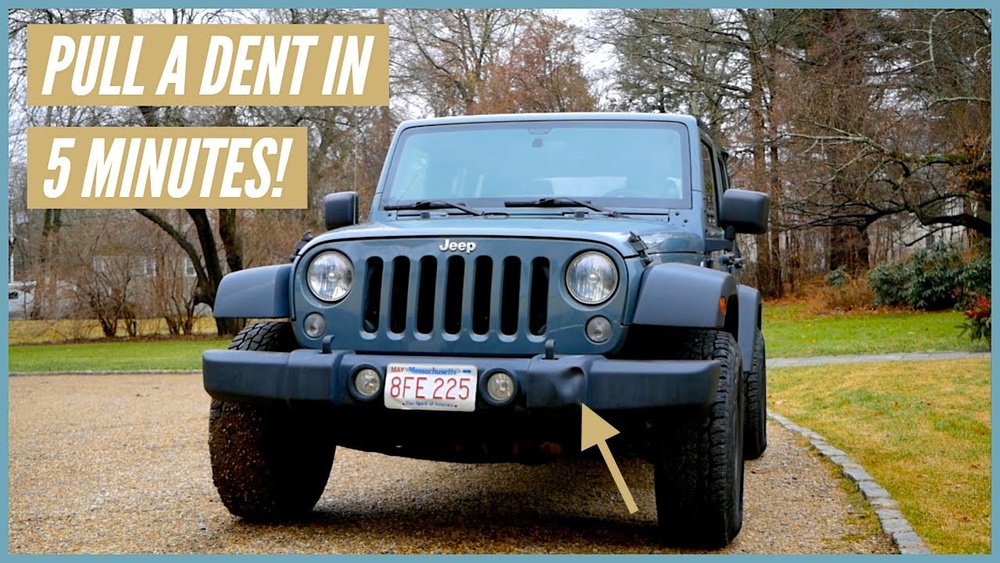
Not all bumper problems are the same. Before fixing, identify the type of damage:
- Scratches and Scuffs: Surface-level marks that can be sanded and painted.
- Cracks: Often need plastic welding or filler.
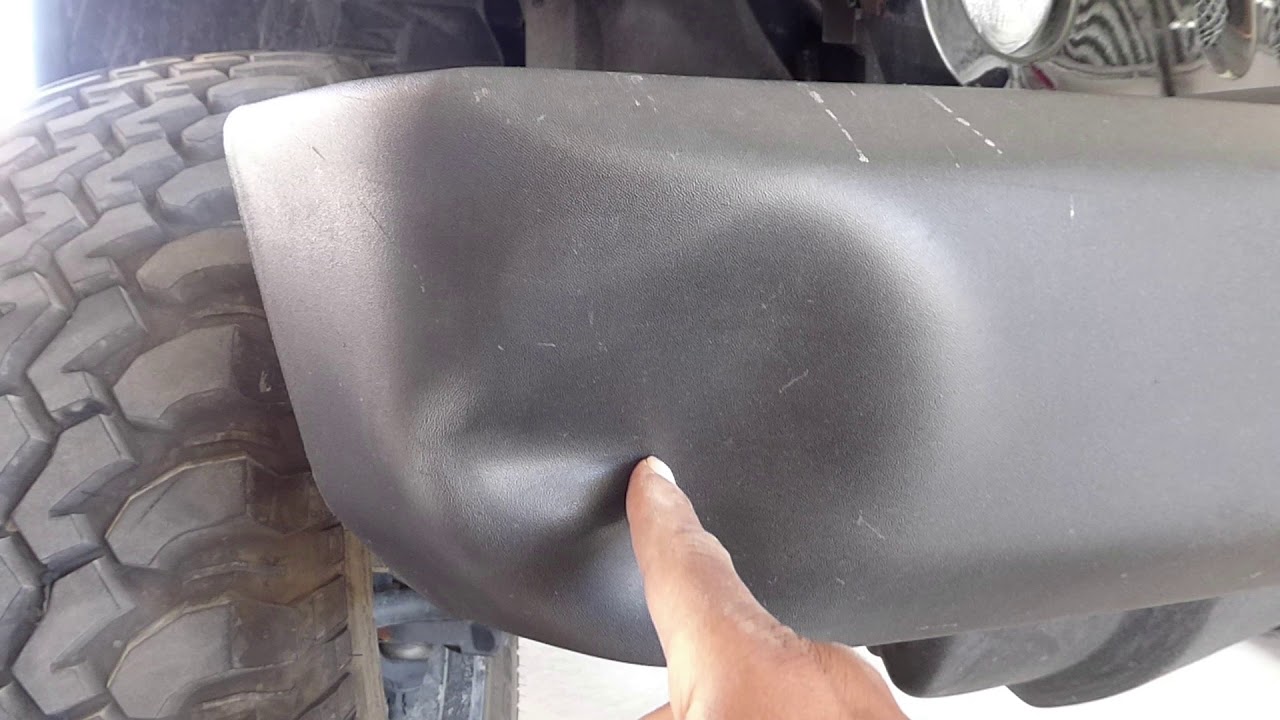
- Dents: May require heat or specialized tools to reshape.
- Loose or Broken Mounts: Usually fixed by replacing clips or bolts.
Here’s a quick comparison of common bumper damages and their repair difficulty:
| Damage Type | Repair Difficulty | Estimated Cost |
|---|---|---|
| Scratches | Easy | $20–$50 |
| Cracks | Medium | $40–$100 |
| Dents | Medium–Hard | $50–$150 |
| Broken Mounts | Easy | $10–$30 |
Minor damage is often fixable at home, but severe damage may need professional help.

Step-by-step Guide: How To Fix A Jeep Bumper
1. Remove The Bumper Safely
- Park your Jeep on a flat surface.
- Disconnect the battery if your bumper has sensors or lights.
- Use a socket wrench to remove bolts under the hood, wheel wells, and beneath the bumper.
- Carefully pull the bumper away. Don’t force it; check for hidden clips.
Tip: Take photos during removal. This helps you remember bolt and clip locations for reinstallation.
2. Repair Surface Scratches
- Clean the bumper with soap and water.
- Sand the area with fine-grit sandpaper (400–600).
- Wipe dust off with a clean cloth.
- Apply primer, let it dry, then paint with matching Jeep color.
Many beginners skip primer, causing paint to chip faster. Always prime before painting.
3. Fix Cracks And Dents
- For cracks, use a plastic welding kit or body filler.
- Smooth the area with sandpaper after repair.
- For dents, gently heat the area with a hair dryer. Push from the inside to pop it out.
- Fill uneven spots with body filler, sand smooth, then prime and paint.
Mistake to avoid: Overheating plastic can cause permanent deformation. Use moderate heat.
4. Repair Or Replace Mounts
- Inspect all clips and bolts.
- Replace any broken pieces with new parts.
- Reinstall the bumper using your photos as a guide.
Using mismatched clips can cause vibration and noise. Buy OEM parts for best fit.
5. Reinstall And Inspect
- Align the bumper carefully.
- Tighten bolts securely but avoid overtightening.
- Reconnect battery if needed.
- Check alignment and test lights or sensors.
Here’s a comparison of OEM vs aftermarket bumper clips:
| Clip Type | Fit Quality | Durability | Cost |
|---|---|---|---|
| OEM | Excellent | High | $2–$5 each |
| Aftermarket | Varies | Medium | $1–$3 each |
OEM clips usually last longer and fit perfectly. Aftermarket clips are cheaper but may not hold as well.
Practical Tips For A Lasting Repair
- Always wear safety gloves when sanding or welding.
- Work in a well-ventilated area when painting.
- Allow paint to dry fully before reinstalling (usually 24 hours).
- Keep leftover paint for future touch-ups.
- Test bumper stability after every repair. A loose bumper can be dangerous.
Many Jeep owners forget to check for hidden cracks underneath the paint. Shine a flashlight and look closely to catch these.
When To Seek Professional Help
If your bumper has large cracks, deep dents, or damaged internal mounts, consider visiting a certified shop. Professionals have specialized tools and can ensure airbag sensors and safety features work properly.
According to the Insurance Institute for Highway Safety, poorly repaired bumpers can reduce crash safety by up to 30%. Safety should always come first.
For more detailed repair guides, you can visit Autoblog.
Frequently Asked Questions
What Tools Do I Need To Fix A Jeep Bumper?
You need a socket wrench set, screwdrivers, plastic trim tools, replacement clips, sandpaper, body filler, primer, paint, gloves, and goggles.
Can I Fix A Metal Jeep Bumper The Same Way?
Metal bumpers need special care. Use metal filler for dents and rust, and sand with heavier grit. Plastic welding is not suitable for metal.
How Long Does Bumper Repair Take?
Most home repairs take 2–4 hours. If you include drying time for paint, expect up to 24 hours before your Jeep is ready.
Is It Safe To Drive With A Damaged Bumper?
Driving with a damaged bumper can be unsafe. Loose bumpers may affect airbag sensors and offer less protection in a crash.
Will Insurance Cover Bumper Repairs?
Insurance often covers bumper repairs if damage is from an accident. Check your policy and document damage with photos for claims.
Fixing your Jeep bumper is a practical skill that saves money and keeps your vehicle looking sharp. With the right tools and careful steps, you’ll restore your Jeep’s bumper and gain confidence in basic car repair. Remember, safety and patience are key—never rush the process.