When you own a Jeep Wrangler, adventures are never far away. Sometimes, those adventures involve water—rivers, sudden rainstorms, or a forgotten roof panel. While Wranglers are built tough, water inside the cabin can create problems if not handled quickly. Drying out your Jeep the right way saves your electrical system, prevents mold, and protects your investment. Here’s how to do it properly and what you need to know for a fast, effective dry-out.
First Steps: Stop Water Damage Fast
As soon as you notice water inside your Jeep Wrangler, act quickly. Standing water can cause rust, mildew, and bad smells within hours.
- Remove floor mats and carpets right away. Take them out of the vehicle and set them somewhere dry.
- Open all doors and windows to let fresh air move through the Jeep. If your top is removable, take it off to speed up drying.
- Disconnect the battery if water has reached the dashboard, seats, or wiring. This prevents electrical shorts or long-term damage.
The sooner you start, the less you’ll have to repair later.
Removing Water: Get The Big Stuff Out
Large puddles or soaked carpets need special attention. Here are the most effective ways to remove water:
- Manual methods: Use towels or a wet/dry vacuum for small amounts of water.
- Drain plugs: The Wrangler comes with built-in drain plugs. Remove them under the floor mats to let water flow out.
- Seat removal: If the seats are soaked, unbolt them for better access to the floor.
| Method | Best For | Time Needed |
|---|---|---|
| Wet/Dry Vacuum | Small to medium puddles | 10-30 min |
| Drain Plugs | Large spills/flooding | 5-10 min |
| Towels | Seats, corners | 15-20 min |
Pro tip: Many people miss water that hides under sound-deadening foam or in wiring channels. Always check under the carpet for hidden moisture.

Drying Out The Interior
Once you’ve removed standing water, focus on drying every wet part. This step is crucial to prevent mold and mildew.
- Use fans: Place household fans in the Jeep or point them at the open doors.
- Dehumidifier: If you have one, set it inside the Jeep overnight.
- Sunlight: Park in direct sunlight with the doors and windows open.
- Silica gel packs: These help absorb moisture from tight spaces.
| Drying Tool | Efficiency | Cost |
|---|---|---|
| Household Fans | Good | Low |
| Dehumidifier | Excellent | Medium |
| Silica Gel Packs | Okay | Low |
If you drive your Jeep daily, consider leaving the carpets and mats out until you’re sure the interior is completely dry.
Many Jeep owners overlook hidden moisture spots. Even after hours of drying, water can hide in:
- Under-seat compartments
- Wiring harnesses
- Insulation under the carpet
- Behind interior panels
Feel for dampness with your hand. If you’re not sure, use a moisture meter (available at hardware stores). Any leftover wetness can lead to electrical problems or mold weeks later.
Dealing With Mold And Odor
If you smell a musty scent, mold has started growing. Quick action can stop it from spreading.
- Clean surfaces with a mix of water and white vinegar. This kills most mold spores.
- Use an enzyme cleaner for carpets and upholstery. These break down organic material and remove bad smells.
- Repeat drying steps if you find more moisture.
Hidden insight: Many beginners think mold will go away once the Jeep dries out. In reality, spores can stay in the air and return every time the cabin gets damp.
How To Protect Your Jeep Wrangler In The Future
Prevention is better than cure. Here’s how you can reduce water problems in the future:
- Replace old weather stripping around doors and windows.
- Check drain plugs after every off-road trip.
- Use waterproof seat covers if you often drive with the top off.
- Store removable carpets during rainy seasons or water crossings.
| Prevention Method | Benefit | Cost |
|---|---|---|
| Weather Stripping Replacement | Stops leaks | Medium |
| Waterproof Seat Covers | Protects seats | Low to Medium |
| Carpet Removal | Easy clean-up | None |
Pro tip: Don’t ignore small leaks. Over time, even tiny drips can soak insulation and cause bigger issues.
When To Seek Professional Help
Sometimes, drying your Jeep Wrangler yourself isn’t enough. Seek professional help if:
- Water reached the dashboard or electronics
- You see rust forming under the carpet
- Mold returns after cleaning
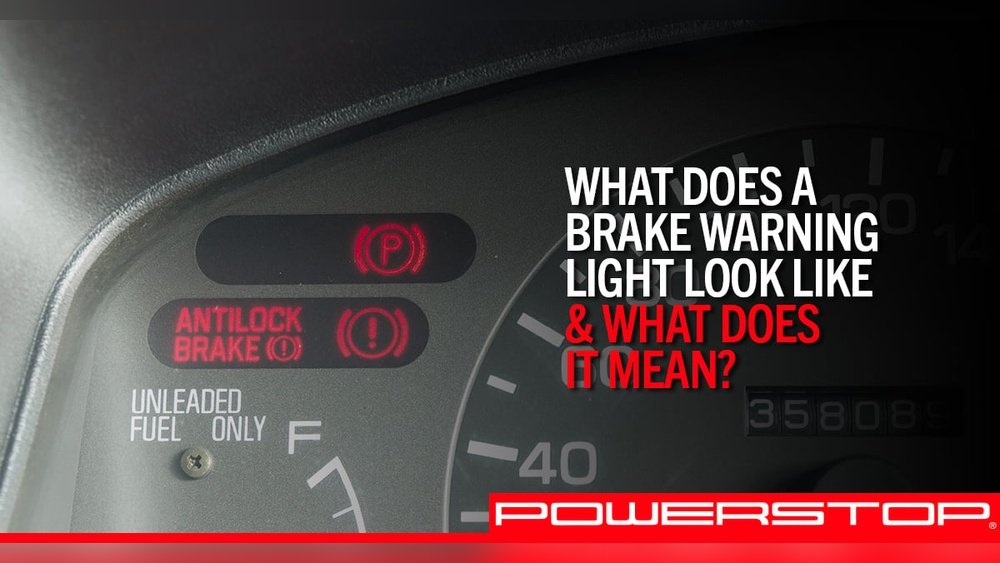
- You smell burning or see warning lights
A professional detailer or mechanic has special tools to dry, clean, and check for electrical damage. This is especially important if your Jeep was fully flooded.
Frequently Asked Questions
How Long Does It Take To Dry Out A Jeep Wrangler?
It depends on the amount of water and the weather. With fans and good airflow, most Jeeps dry in 24-48 hours. If carpets are very wet, it can take longer.
Do I Need To Remove The Seats To Dry My Jeep?
If seats are soaked or you suspect water is under the carpet, removing the seats gives better access. For small spills, seat removal is often not necessary.
Can Water Inside My Wrangler Cause Electrical Problems?
Yes. Water can corrode connectors and cause electrical shorts. If you notice new warning lights or the Jeep won’t start, have it checked by a mechanic.
What Should I Use To Remove Bad Smells After Drying?
Use enzyme cleaners on carpets and upholstery. Baking soda can help with lingering odors. Avoid just using air fresheners—they only cover up the problem.
Is It Safe To Drive My Jeep While It’s Still Drying Out?
It’s usually safe for short trips if no wires are wet and you’ve removed as much water as possible. For best results, finish drying before regular use.
Drying out a Jeep Wrangler takes patience, but the effort protects your vehicle and your health. For more about water damage and car care, see the official Jeep website. Acting quickly and following these steps will help you enjoy many more adventures, rain or shine.