Driving a stick shift Jeep can feel like a big challenge at first. But once you learn the basics, it gives you more control and makes off-road adventures even more exciting.
Many drivers prefer manual Jeeps for their rugged feel and reliability.
If you’re ready to learn how to handle a stick shift, this guide will help you step-by-step. You’ll also learn tips, common mistakes, and how manual Jeeps compare to automatics.
Understanding Stick Shift Basics
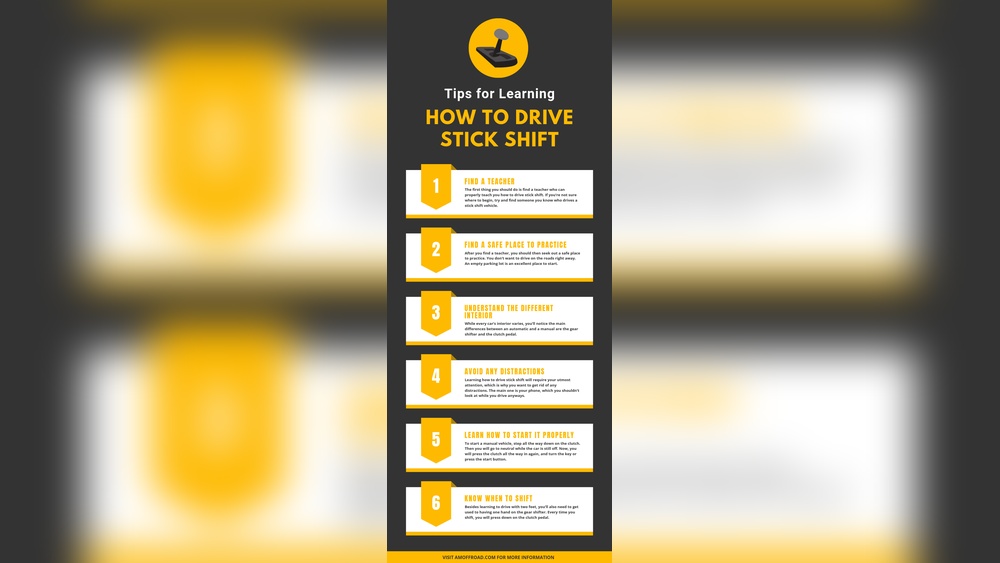
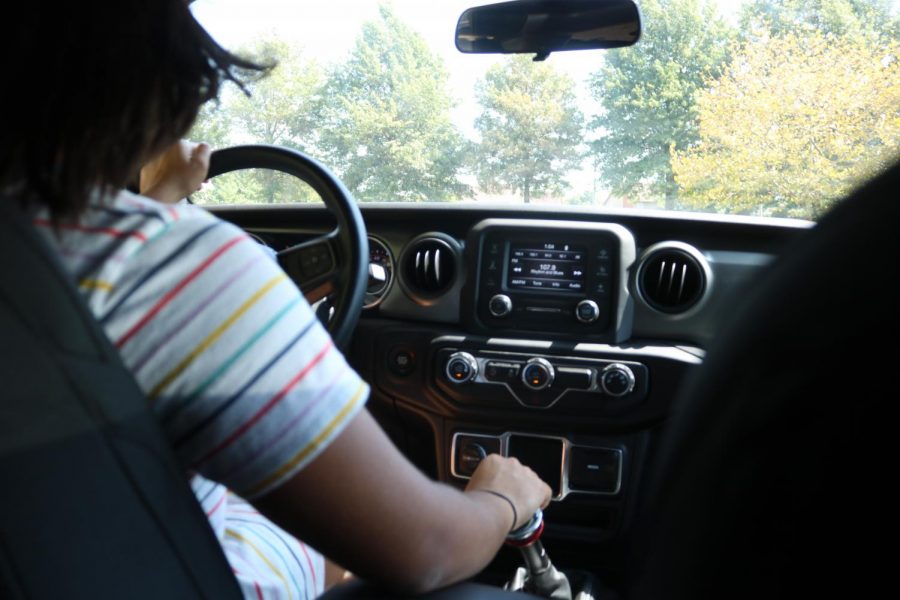
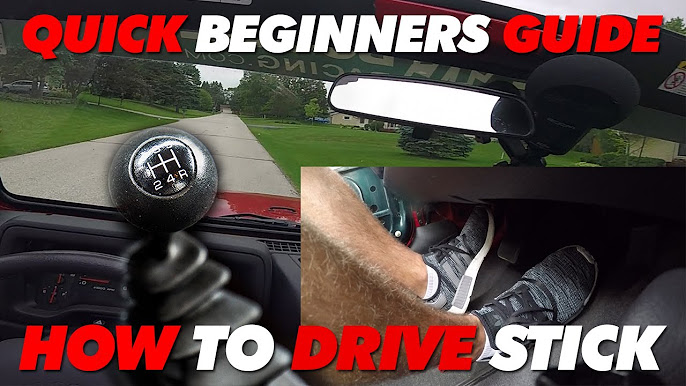
A stick shift Jeep has a manual transmission. You control the gears using the gear shifter and the clutch pedal. Most Jeeps have 5 or 6 gears plus reverse. Here’s what you’ll find inside:
- Gear shifter: Lets you select gears (1st, 2nd, 3rd, etc. ).
- Clutch pedal: Located left of the brake. You press it to change gears.
- Brake pedal: Middle pedal.
- Gas pedal: Right pedal.
You shift gears based on speed and engine sound. Manual Jeeps are popular because they offer better control, especially off-road.
Step-by-step: How To Drive A Stick Shift Jeep
Here’s a simple way to start driving a stick shift Jeep. Practice in a flat, safe area.
- Adjust your seat and mirrors so you can reach the pedals and see clearly.
- Press the clutch pedal all the way down with your left foot.
- Turn the ignition key to start the engine.
- Move the gear shifter into 1st gear.
- Release the parking brake.
- Slowly lift the clutch while pressing the gas pedal gently.
- As the Jeep starts moving, release the clutch fully and keep pressing the gas.
- Shift to higher gears (2nd, 3rd, etc.) As speed increases. Each time:
- Press clutch in
- Move shifter to next gear
- Release clutch slowly while pressing gas
- To stop, press the clutch and brake at the same time. Move the shifter to neutral.
- To go in reverse, press the clutch, move shifter to ‘R’, and release clutch slowly while pressing gas.
Example Gear Shifting Speeds
Each Jeep may be a bit different, but here’s a typical range:
| Gear | Speed Range (mph) |
|---|---|
| 1st | 0-10 |
| 2nd | 10-20 |
| 3rd | 20-30 |
| 4th | 30-40 |
| 5th | 40+ |
Common Mistakes And Tips
Many beginners face problems when learning stick shift. Here are mistakes and how to avoid them.
- Stalling: Happens when you release the clutch too fast or don’t press enough gas. Practice lifting the clutch slowly.
- Grinding gears: If you shift without pressing the clutch, gears may grind. Always press the clutch fully.
- Riding the clutch: Keeping your foot on the clutch after shifting can wear it out. Only use the clutch when shifting.
- Forget neutral: When stopping, always move shifter to neutral or press the clutch.
Practical Tips
- Practice in empty parking lots.
- Listen to engine sound. If it’s loud and slow, shift up. If it’s fast and high, shift down.
- Use the parking brake on hills to prevent rolling.
- Don’t rush. Take time to feel the pedals and shifter.
Stick Shift Jeep Vs Automatic Jeep
Manual and automatic Jeeps feel very different. Here’s how they compare:
| Feature | Manual Jeep | Automatic Jeep |
|---|---|---|
| Control | More driver control | Less manual input |
| Off-road | Better for rough terrain | Easier for beginners |
| Fuel Economy | Often better | Varies |
| Maintenance | Lower cost | Higher cost |
Some Jeep owners report manual transmissions lasting longer and costing less to repair. However, automatics are easier for city driving.
Off-road Driving With Stick Shift Jeeps
Manual Jeeps are popular for off-road driving. You can control speed better on rocks, mud, or hills. When going uphill, use a lower gear and higher RPM. For downhill, use engine braking by staying in a low gear.
Off-road Gear Selection Example
| Terrain | Recommended Gear |
|---|---|
| Steep Hill | 1st or 2nd |
| Mud | 2nd |
| Rocky Trail | 1st |
| Sand | 2nd or 3rd |
Use 4WD (four-wheel drive) when off-roading for better traction. Remember to shift smoothly to avoid damage.
Two Insights Beginners Often Miss
- Hill starts: When starting on a slope, use the parking brake to prevent rolling. Release the clutch and gas, then slowly release the brake.
- Engine braking: You can slow down using lower gears instead of the brake. This is useful on steep descents and saves brake wear.
Safety Reminders
Always wear your seatbelt. Make sure your Jeep’s tires and brakes are in good shape before driving. Learn how to handle emergency stops: press clutch, brake, and steer safely.
If you want more details about manual transmissions, see Wikipedia.
Frequently Asked Questions
How Long Does It Take To Learn Stick Shift?
Most people need 2–5 hours of practice to drive smoothly. It depends on your experience and how often you practice.
Can I Drive A Stick Shift Jeep In Heavy Traffic?
Yes, but it’s tiring. You must shift gears often and keep pressing the clutch. Many drivers prefer automatics for city driving.
Will Driving Stick Shift Damage My Jeep?
Not if you shift correctly. Avoid grinding gears and riding the clutch. Regular maintenance keeps the transmission healthy.
Is Stick Shift Better For Off-roading?
Yes. You control power and speed better. Manual Jeeps are popular for rock crawling and steep hills.
What Should I Do If My Jeep Stalls?
Stay calm. Press the clutch, move shifter to neutral, restart the engine, and try again. Stalling is normal for beginners.
Learning to drive a stick shift Jeep is a valuable skill. It gives you more control and makes adventures more fun.
With practice, you’ll feel confident and safe ready for city streets or wild trails.