Keeping your tool chest organized makes your work easier, saves time, and protects your tools. Many people let their tool chest become messy, so they waste time searching for screwdrivers, wrenches, or sockets.
If you want to become more productive and avoid frustration, organizing your tool chest is a must.
This guide will show you how to sort, store, and maintain your tool chest, whether you’re a beginner or a professional.
Planning Your Tool Chest Layout
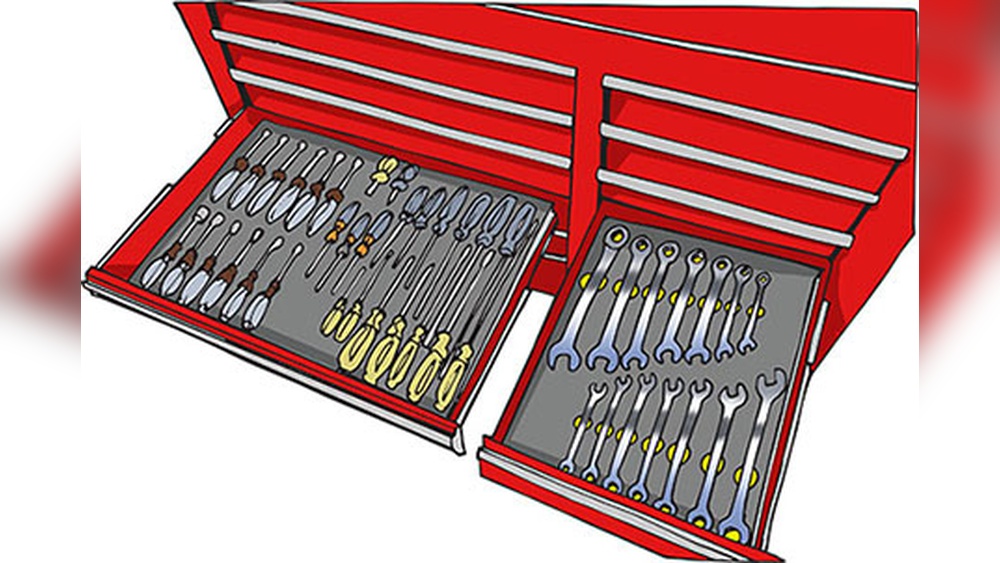
Before you start, think about how you use your tools. Group tools by function—for example, keep all your pliers together. If you often work on cars, place automotive tools near the top. If you use hand tools daily, make them easy to reach. Planning ahead prevents having to redo your setup later.
Many tool chests have different drawer sizes. Use deeper drawers for bulky items like power tools, and shallow drawers for smaller tools. Here’s a quick comparison of common drawer types:
| Drawer Type | Best For | Common Size (inches) |
|---|---|---|
| Shallow Drawer | Screwdrivers, wrenches | 2–3 |
| Medium Drawer | Pliers, sockets | 4–5 |
| Deep Drawer | Power tools, hammers | 6+ |
Sorting And Cleaning Your Tools
Take everything out of the tool chest. Wipe down tools and drawers. Check for rust or damage. Throw away tools you never use or that are broken. It’s common to find duplicates—keep only the best ones.
Sort your tools into groups:
- Hand tools: Screwdrivers, pliers, hammers
- Sockets & ratchets
- Specialty tools: Measuring tapes, utility knives
- Power tools
- Fasteners: Nails, screws, bolts
This process helps you see what you have and what you need. Statistics show that regular cleaning can extend tool life by up to 30%.
Organizing Tools By Category
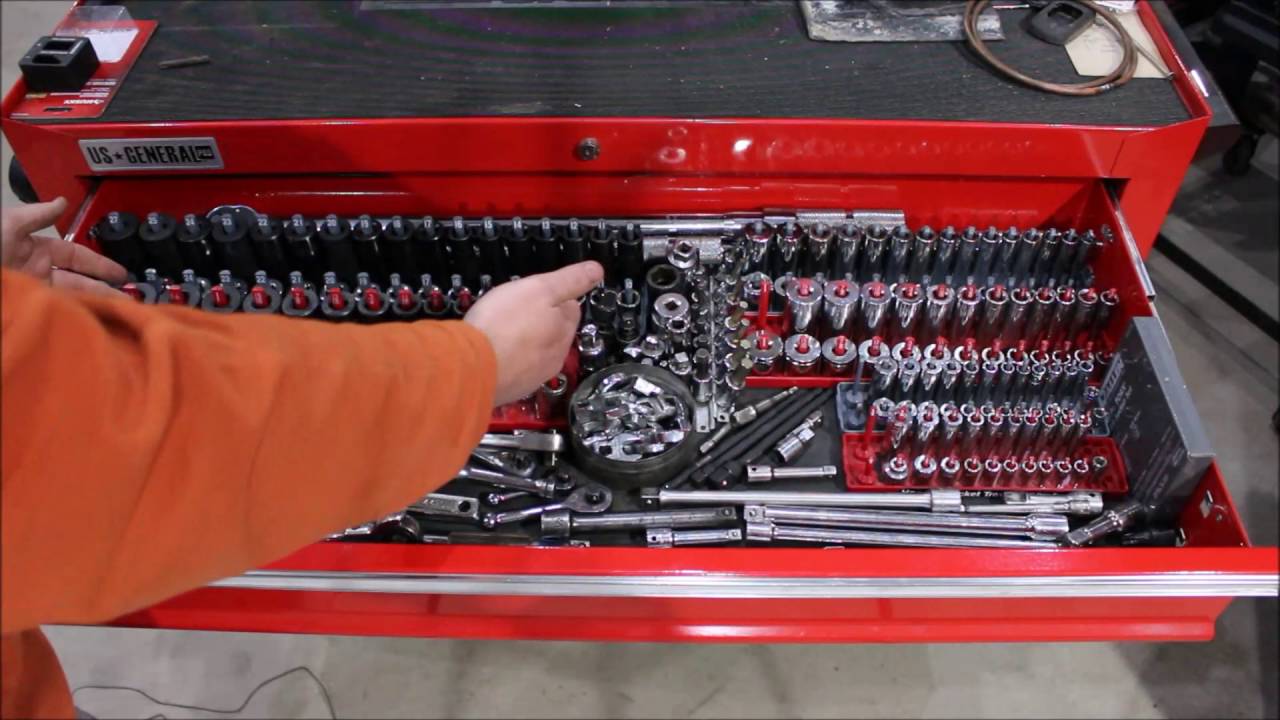
Now, organize tools by type and frequency of use. Place daily-use items in the top drawers.
Rarely used tools can go lower or in the back.
Here’s an example layout for a standard chest:
| Drawer | Contents |
|---|---|
| Top Drawer | Frequently used screwdrivers, pliers |
| Second Drawer | Wrenches, sockets |
| Third Drawer | Measuring tools, specialty items |
| Bottom Drawer | Power tools, larger items |
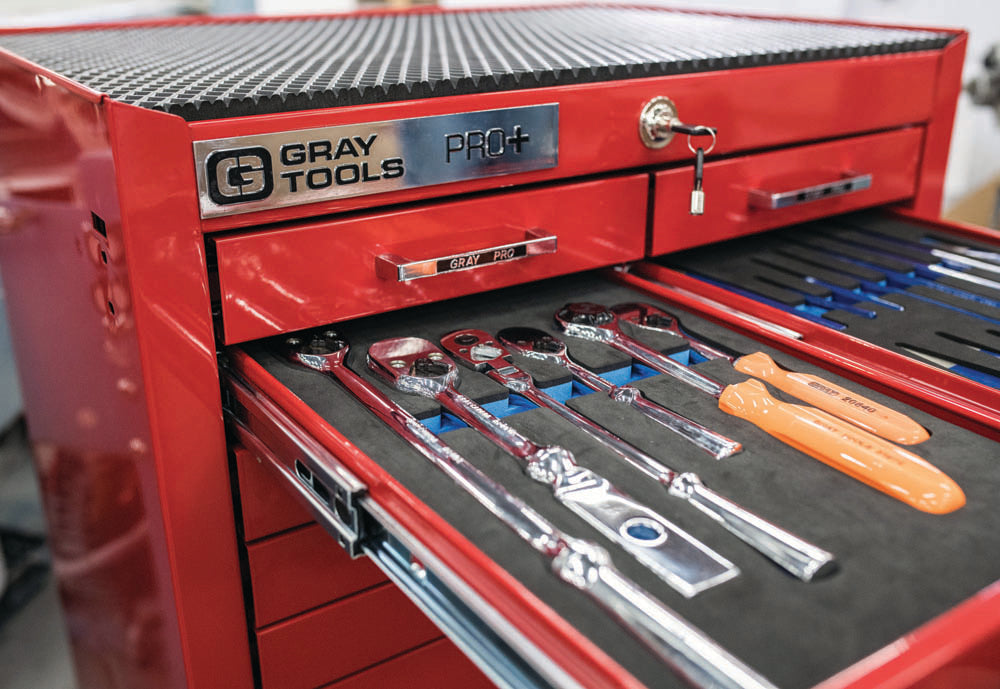
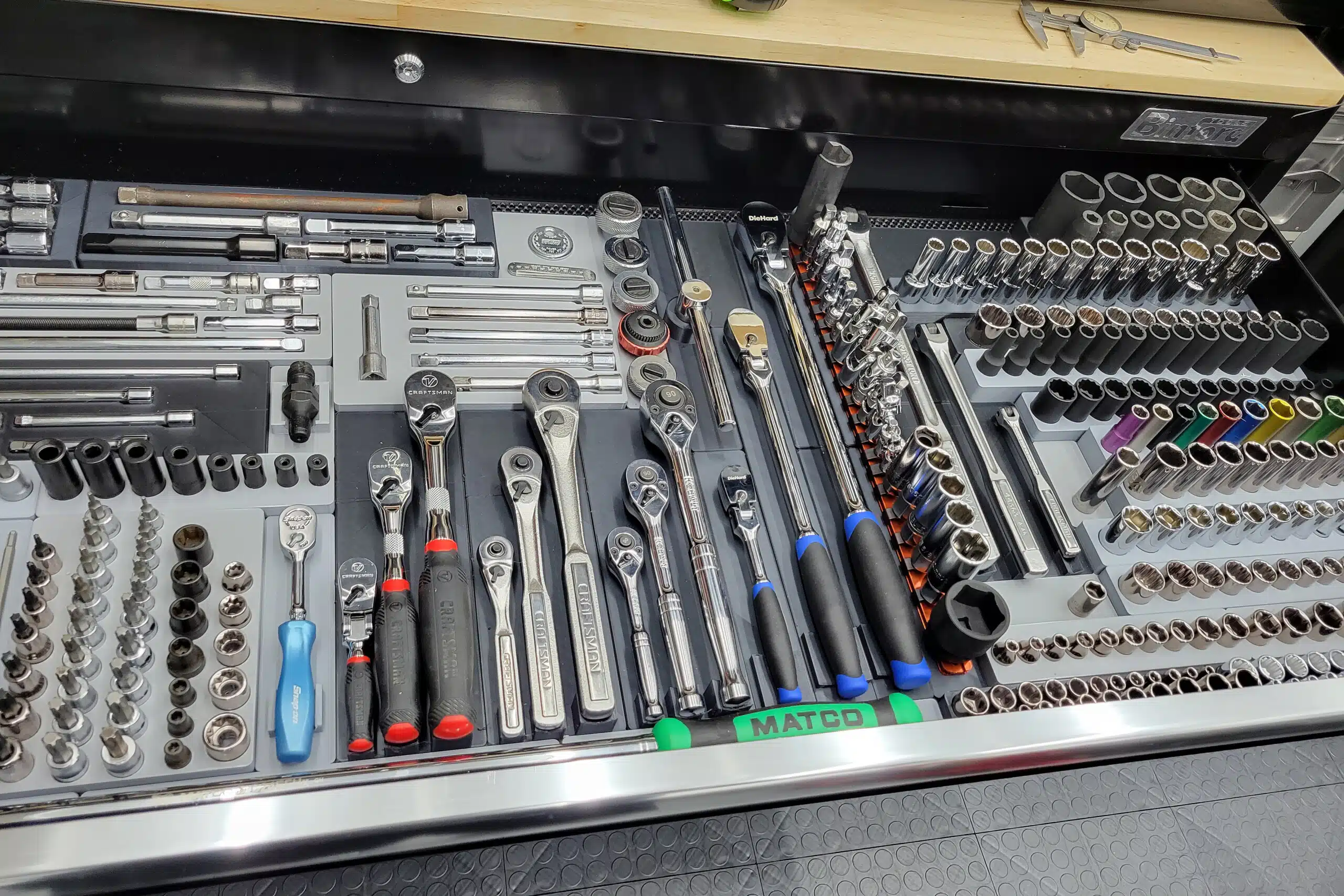
Use foam inserts or trays to keep tools separated. This prevents tools from sliding around and getting damaged.
Color-coded trays can help you find tools faster.
Labeling And Customizing Drawers
Labeling drawers makes your tool chest more efficient. Use simple labels like “Screwdrivers”, “Pliers”, or “Sockets”. You can buy adhesive labels or print your own.
Some people use photos for labels take a picture of the tools, print it, and stick it to the drawer. This helps non-native English speakers and beginners recognize where each tool belongs.
You can also customize your chest with organizers:
- Foam inserts (cut to fit your tools)
- Magnetic strips for metal tools
- Small bins for fasteners
Here’s a comparison of popular organizer types:
| Organizer Type | Best For | Price Range |
|---|---|---|
| Foam Inserts | Hand tools, sockets | $10–$30 |
| Magnetic Strips | Screwdrivers, pliers | $5–$15 |
| Plastic Bins | Fasteners, small parts | $3–$12 |
Maintaining Your Tool Chest
Organizing is not a one-time job. Spend 5 minutes each week returning tools to their place. Clean drawers monthly—dust and moisture can cause rust. If you work outside, check your chest for water leaks.
A common mistake is forgetting to update your system when you add new tools. Make space for new items and adjust labels.
Another mistake is stacking tools this damages them and makes finding things harder.
If you work with others, teach them your system. This keeps the chest tidy and reduces tool loss.
According to a survey by Popular Mechanics, organized tool chests reduce lost tools by up to 40%.
Non-obvious Tips
- Place a silica gel packet in each drawer. It absorbs moisture and prevents rust.
- Use a QR code label for rare tools. Scan the code to see instructions or videos online.
- Avoid overfilling drawers. Tools need space—crowded drawers lead to scratches and damage.
Frequently Asked Questions
How Often Should I Clean My Tool Chest?
Clean your tool chest at least once a month. Wipe down tools, remove dust, and check for rust.
If you use your tools daily, do a quick cleaning every week.
What’s The Best Way To Store Sockets?
Use socket trays or rails. Keep them in order by size.
This makes it easy to find the right socket and prevents losing them. Magnetic trays are also useful.
Can I Use Household Organizers In My Tool Chest?
Yes, many people use cutlery trays, small baskets, or drawer dividers. Just make sure they fit and are strong enough for heavy tools.
How Do I Stop Tools From Sliding In Drawers?
Install foam inserts or rubber mats. These keep tools in place when you open and close drawers. Magnetic strips work well for metal tools.
Are Digital Labels Useful For Tool Chests?
Digital labels like QR codes can help advanced users. They give quick access to tool manuals or videos.
For most people, simple written or photo labels are easier.
Taking time to organize your tool chest pays off every day. You save time, protect your tools, and work more efficiently. Even small changes—like labeling or using foam inserts—make a big difference. Try out the tips above, and soon your tool chest will be neat, easy to use, and ready for any job. For more tips on tool storage, visit Popular Mechanics.