Driving a Jeep on the beach can be both exciting and challenging. The combination of sand, salt, and open terrain creates a unique experience that regular roads don’t offer.
Many people imagine cruising along the shoreline with the wind in their hair, but few realize the skills and preparation needed.
Whether you’re a beginner or have some experience, learning how to drive a Jeep safely on the beach is essential to enjoy the adventure and protect your vehicle.
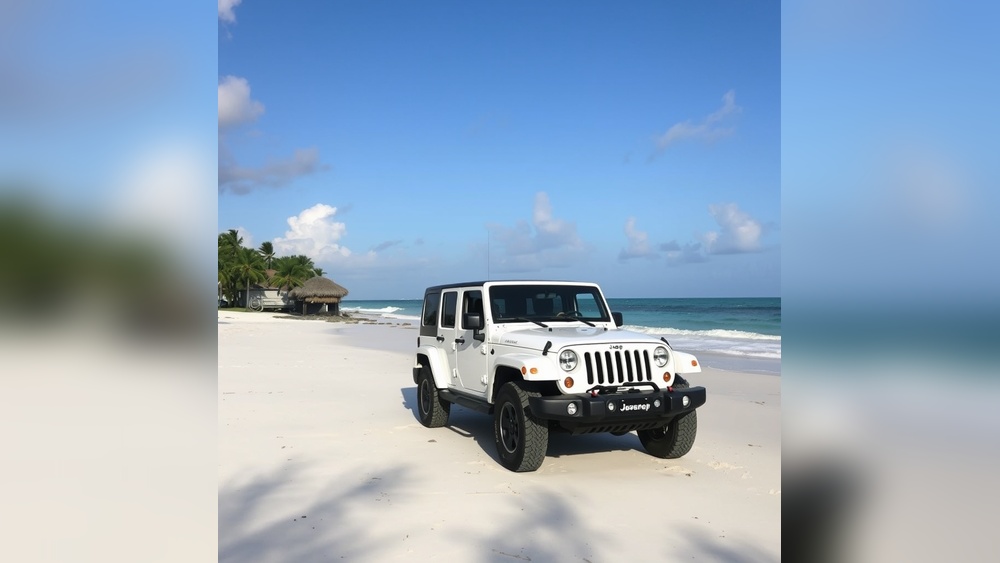
Preparing Your Jeep For The Beach
Beach driving puts extra stress on your vehicle. Before heading out, check these important areas:
- Tire Pressure: Lower your tire pressure to 15–20 psi. This increases the surface area and helps your Jeep float over sand instead of digging in.
- 4WD System: Make sure 4-wheel drive is working properly. Most beaches require 4WD for safe movement.
- Recovery Gear: Bring a tow strap, shovel, and traction boards. Sand can trap vehicles quickly, and these tools can help you get unstuck.
- Salt Protection: Apply a protective spray to metal parts. Saltwater can cause rust, so washing your Jeep after the trip is critical.
- Permits and Rules: Many beaches need a permit for vehicles. Check local regulations to avoid fines.
Essential Driving Techniques
Driving on sand is different from driving on pavement. Here are the main tips to follow:
- Keep Momentum: Maintain a steady speed. Stopping and starting in deep sand can make tires sink.
- Avoid Sudden Turns: Sharp turns can make your Jeep slide or get stuck. Turn gently and plan your path ahead.
- Stay in Existing Tracks: If possible, drive in tracks made by other vehicles. These are often firmer and easier to drive on.
- Use Low Gear: Switch to low gear when you’re in soft sand. This increases torque and reduces wheel spin.
Comparison Of Driving Modes
The table below shows how different driving modes affect beach driving:
| Mode | Traction | Risk of Getting Stuck |
|---|---|---|
| 2WD | Low | High |
| 4WD High | Medium | Medium |
| 4WD Low | High | Low |
4WD Low is the best choice for soft sand, while 2WD should be avoided.
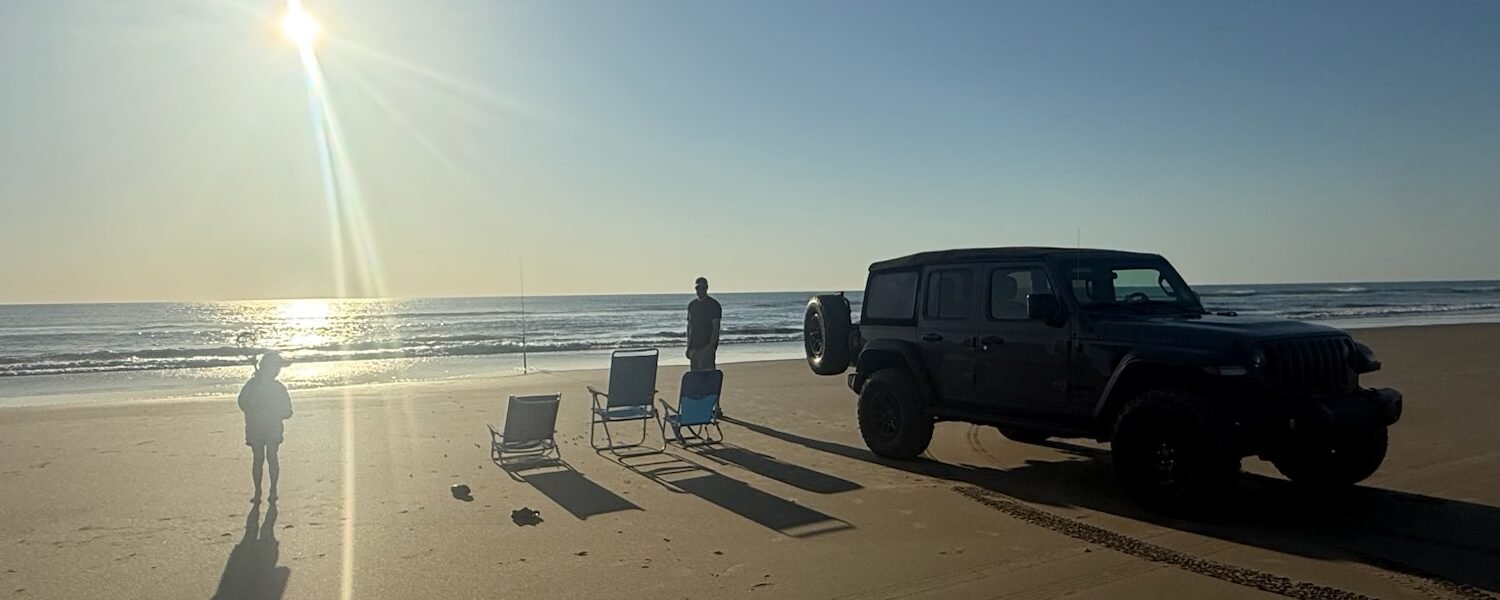
Handling Challenging Beach Conditions
Beach conditions change quickly. Knowing how to handle different situations is key:
Wet Vs Dry Sand
Wet sand near the water is usually firmer and easier to drive on. However, getting too close to the tide can risk water damage or getting stuck when the tide rises.
Dry sand is softer and harder to drive through.
| Sand Type | Ease of Driving | Vehicle Risk |
|---|---|---|
| Wet Sand | Easy | Water Damage |
| Dry Sand | Difficult | Stuck Tires |
Obstacles And Wildlife
Watch for driftwood, rocks, and local wildlife. Many beaches are habitats for birds and turtles. Keep a safe distance and obey signs for protected areas.
Recovery Tips If You Get Stuck
Even experienced drivers sometimes get stuck. If it happens:
- Don’t Spin Your Tires: Spinning can dig deeper holes. Stop and assess.
- Use a Shovel: Clear sand away from tires.
- Place Traction Boards: Put boards or mats under tires for grip.
- Try Rocking: Shift between forward and reverse to gently move the Jeep.
- Ask for Help: Use a tow strap and get another vehicle to assist.
Common Recovery Mistakes
| Mistake | Consequence |
|---|---|
| Spinning Tires | Deeper holes |
| Ignoring Tire Pressure | Reduced traction |
| Driving Alone | No help in emergencies |
Many beginners forget to lower tire pressure or bring recovery tools. Even small mistakes can lead to hours stuck in sand.
Safety And Environmental Considerations
Driving a Jeep on the beach is fun, but safety and responsibility matter:
- Respect Speed Limits: Most beaches have a speed limit of 15–25 mph. Slow speeds protect people and wildlife.
- Avoid Alcohol: Driving on sand requires focus. Alcohol increases the risk of accidents.
- Protect Wildlife: Stay away from marked nesting areas and follow posted signs.
- Leave No Trace: Remove trash and avoid damaging plants.
The National Park Service offers helpful guidelines for beach driving and environmental care. For more details, visit NPS Beach Driving Guide.
Practical Tips For Beginners
- Practice Before You Go: Try driving in sand at a local off-road park before hitting the beach.
- Check the Tides: Learn tide schedules. Getting caught by a rising tide can be dangerous.
- Travel with a Buddy: Two vehicles are safer than one. If one gets stuck, the other can help.
- Carry Water and Snacks: Beaches are remote, and help may take time to arrive.
- Bring a Phone and GPS: Cell coverage is often weak. A GPS helps you navigate.
Many beginners underestimate how quickly sand can trap a vehicle. Always plan for emergencies, and let someone know your plans.
Frequently Asked Questions
How Much Should I Lower My Tire Pressure For Beach Driving?
Drop your tire pressure to 15–20 psi. This helps your Jeep travel over soft sand without sinking. Always use a good tire gauge and reinflate tires before leaving the beach.
Can Any Jeep Drive On The Beach, Or Do I Need Special Modifications?
Most 4WD Jeeps can handle beach driving without major modifications. However, adding mud or sand tires, skid plates, and recovery gear increases safety and performance.
What Is The Best Time Of Day For Beach Driving?
Early morning or late afternoon are best. The sand is cooler and firmer, and fewer people are on the beach.
Avoid driving during high tide or midday heat.
Is It Safe To Drive Close To The Water’s Edge?
Driving close to the water is risky. Wet sand is firmer, but waves and rising tides can trap your Jeep or cause damage. Stay at least 20–30 feet from the water unless you are sure about local conditions.
What Should I Do After Driving My Jeep On The Beach?
Wash your Jeep thoroughly, especially the undercarriage. Salt and sand cause rust and damage.
Check brakes, tires, and electrical parts for signs of wear.
Driving a Jeep on the beach offers freedom and adventure, but it requires preparation and care. By following these guidelines, you protect your vehicle and the environment.
With practice and the right tools, you’ll enjoy memorable trips along the coast, confident in your skills and your Jeep’s abilities.


















