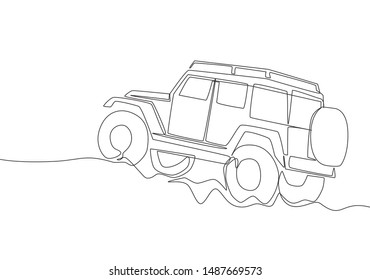
Drawing an off road Jeep is a fun way to practice sketching vehicles with rugged features. Whether you are a beginner or someone with basic drawing skills, this guide will help you create a realistic Jeep step by step.
You do not need expensive materials or advanced techniques. All you need is paper, pencil, eraser, ruler, and some patience.
Let’s get started and build your own off road Jeep from scratch.
Planning Your Drawing
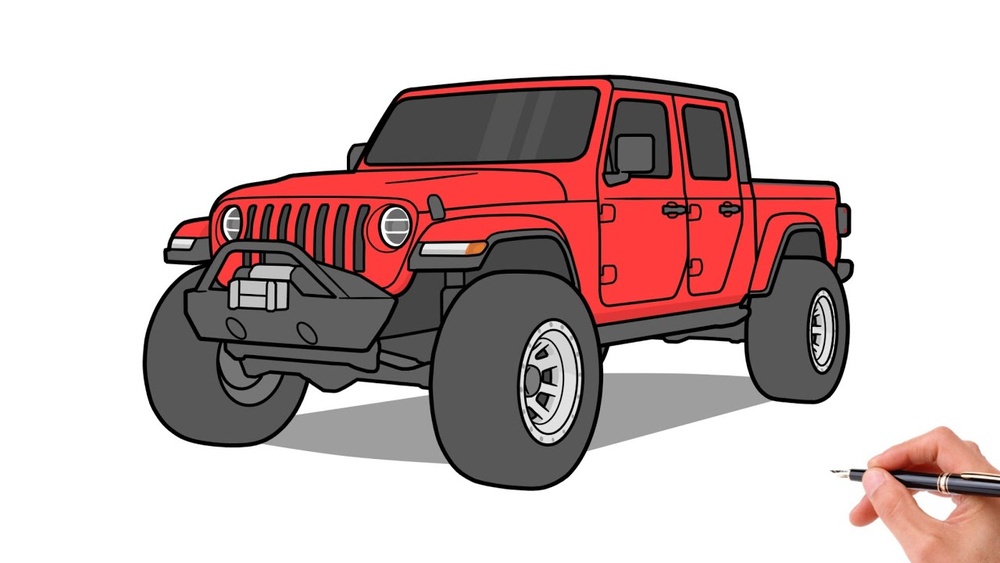
Before you begin, it’s important to understand the basic shape and structure of a Jeep. Off road Jeeps have a boxy body, high ground clearance, large tires, and a tough front grille. These features make them stand out compared to regular cars.
Here’s a quick comparison of off road Jeeps with normal SUVs:
| Feature | Off Road Jeep | Regular SUV |
|---|---|---|
| Ground Clearance | High (10–12 inches) | Medium (6–8 inches) |
| Tire Size | Large, knobby | Medium, smooth |
| Body Shape | Boxy, rugged | Curved, sleek |
| Front Grille | Vertical slats, bold | Horizontal, subtle |
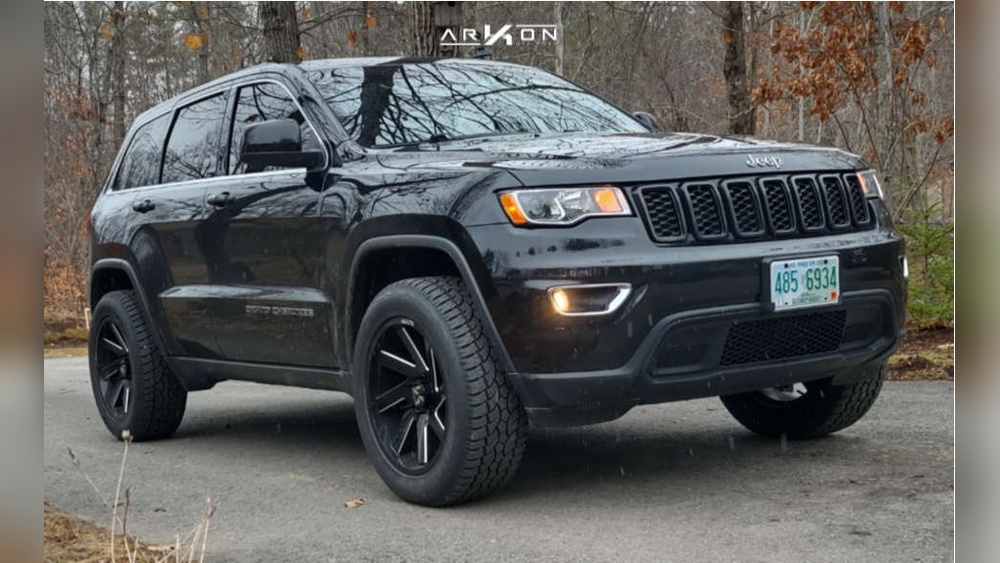
Look at photos of Jeeps online to see these details. This will help you visualize what you want to draw. Many beginners skip this step, but studying reference images is a smart way to improve accuracy.
Sketching The Basic Outline
Start with a light pencil sketch. Use your ruler to keep lines straight and proportions correct.
- Draw a rectangle for the main body. This will be the cabin of the Jeep.
- Add a smaller rectangle on top for the roof.
- Sketch two circles below the body for the front and rear tires. Make them large and spaced apart.
- Draw a short rectangle in front for the hood.
- Add a vertical rectangle for the windshield.
Your outline should look simple and blocky. Do not worry about details yet. Focus on getting the proportions right. Many people make the tires too small—remember, off road Jeeps have big tires.
Here’s a quick comparison of tire sizes:
| Jeep Model | Typical Tire Diameter |
|---|---|
| Wrangler Rubicon | 33 inches |
| Grand Cherokee | 29 inches |
| Renegade | 27 inches |
Adding Details And Features
Now, start refining your sketch. This is where your Jeep starts to look real.
Drawing The Front Grille
The grille is the Jeep’s signature feature. Draw vertical slats in the center of the front rectangle. Usually, there are seven slats.
- Use your ruler for even spacing.
- Shade in the spaces between slats to make them stand out.
Sketching The Bumpers And Headlights
Add a thick, horizontal bumper below the grille. Draw round headlights on each side.
Off road Jeeps often have extra lights on top or on the bumper. You can add two small circles above the headlights for these.
Shaping The Tires
Draw thick, knobby tread patterns on the tires. Use zigzag lines or small rectangles to show grip. Outline the wheel rims inside each tire.
Windows And Doors
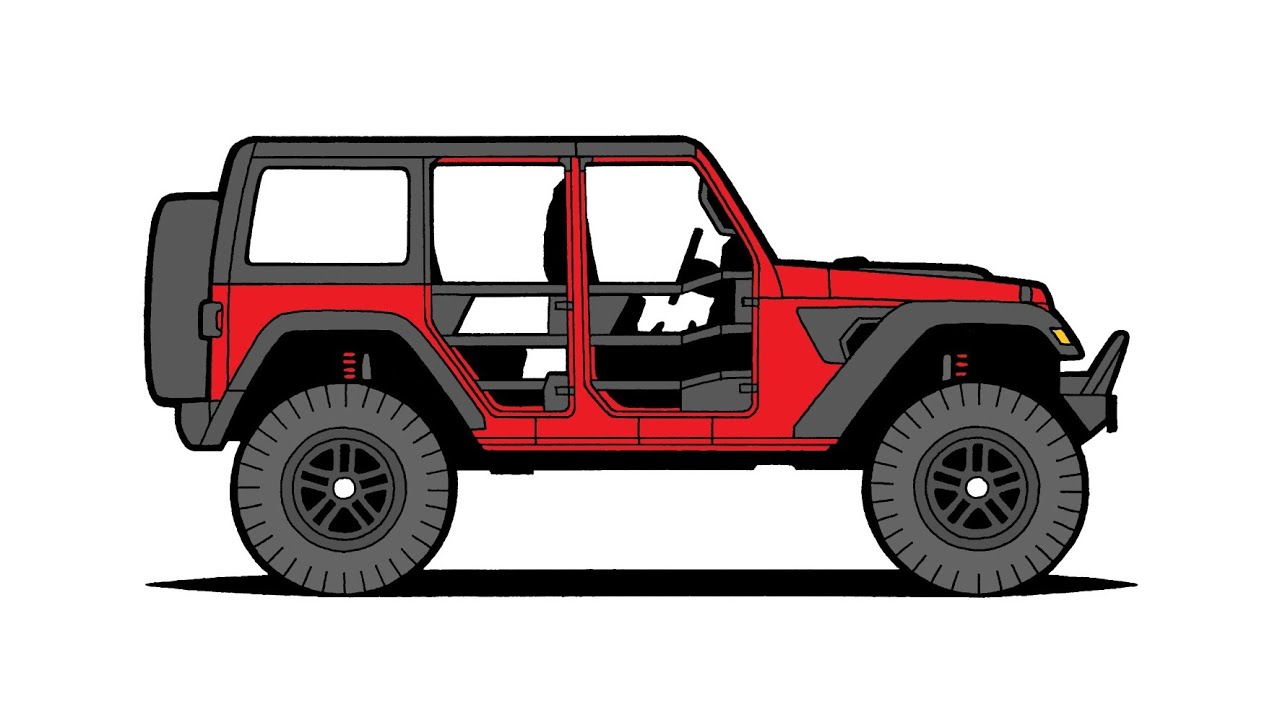
Draw the side windows as rectangles. Add a line in the middle to show the door. Sketch simple handles. Off road Jeeps sometimes have removable doors, so you can show door hinges or bolts.
Roof And Accessories
Jeep roofs can be hard or soft. For a rugged look, add a roof rack or spare tire on the back.
Draw a rectangle for the rack and a circle for the spare tire.
Fenders And Ground Clearance
Add curved fenders above each tire. Leave space between the tires and body to show high ground clearance.
Shading And Finishing Touches
Shading brings depth and realism. Use your pencil to darken areas that would be in shadow.
- Shade under the Jeep body and tires.
- Add lighter shading on the windows.
- Draw reflections on the headlights with small white spots.
- Use cross-hatching to show texture on the grille and tires.
For a dramatic effect, you can draw mud splashes or rocks under the tires. This shows your Jeep is really off road.
Here’s a comparison of shading techniques:
| Technique | Effect | Difficulty |
|---|---|---|
| Hatching | Lines for basic shadow | Easy |
| Cross-hatching | Deeper, textured shadow | Medium |
| Blending | Smooth, soft shadow | Advanced |
Common Mistakes And How To Fix Them
Many beginners make the Jeep too low or tires too small. If your drawing looks more like a regular car, check these:
- Make tires larger and higher.
- Add space between body and ground.
- Use straight lines for body, curved for fenders.
- Keep the grille bold and vertical.
Another mistake is skipping details like door hinges or tire treads. Adding these makes your Jeep look more realistic.
Practical Drawing Tips
- Use a sharp pencil for details.
- Keep your eraser handy for corrections.
- Sketch lightly first, then darken lines after you are satisfied.
- Take breaks and step back to check proportions.
Many artists rush the process, but slowing down helps you spot mistakes early.

Once you finish, show your drawing to friends or online communities. You can find helpful feedback on sites like DeviantArt. Compare your work to reference photos and look for ways to improve.
Adding color with markers or colored pencils can make your Jeep pop. Use green, black, or tan for an authentic off road look.
You might notice areas for improvement, like tire shape or grille spacing. This is normal. With practice, your sketches will get better.
Frequently Asked Questions
How Long Does It Take To Draw An Off Road Jeep?
It usually takes 30–60 minutes for a beginner, depending on detail. More advanced shading or accessories can take longer.
What Is The Best Pencil For Drawing A Jeep?
Use a 2B pencil for sketching and an HB pencil for lines and details. Softer pencils help with shading.
Can I Draw A Jeep From A Photo?
Yes. Tracing from photos is a good way to learn proportions and details. Use photos as a reference for accuracy.
Should I Add Color To My Jeep Drawing?
Adding color is optional, but it can make your drawing stand out. Use colored pencils or markers for best results.
What If My Jeep Looks More Like A Regular Car?
Check your tire size, ground clearance, and grille shape. Adjust these features to make your drawing look more like an off road Jeep.
Drawing an off road Jeep is a rewarding project for artists of all levels. By following these steps and paying attention to unique Jeep features, you can create a sketch that is bold and realistic.
Keep practicing and experimenting with details, and soon you will master the art of drawing rugged vehicles.