Draining coolant from your Jeep Grand Cherokee is a task many owners can do themselves. Whether you’re changing coolant, fixing a leak, or preparing for a major repair, knowing how to drain the system safely will save you money and help avoid engine problems.
This guide gives clear steps and practical advice, making it easy even for beginners. You'll also find tables comparing tools and coolant types, plus answers to common questions.
Why Drain Coolant?
Coolant (also called antifreeze) keeps your engine at the right temperature and prevents corrosion inside. Over time, coolant breaks down and loses its effectiveness. Old coolant can cause engine overheating, rust, or even damage to your radiator. The Jeep Grand Cherokee usually needs its coolant changed every 5 years or 100,000 miles, but check your manual for exact intervals.
What You’ll Need
Before you start, gather these items:
- Socket wrench (usually 10mm or 13mm)
- Drain pan (large enough for 2-3 gallons)
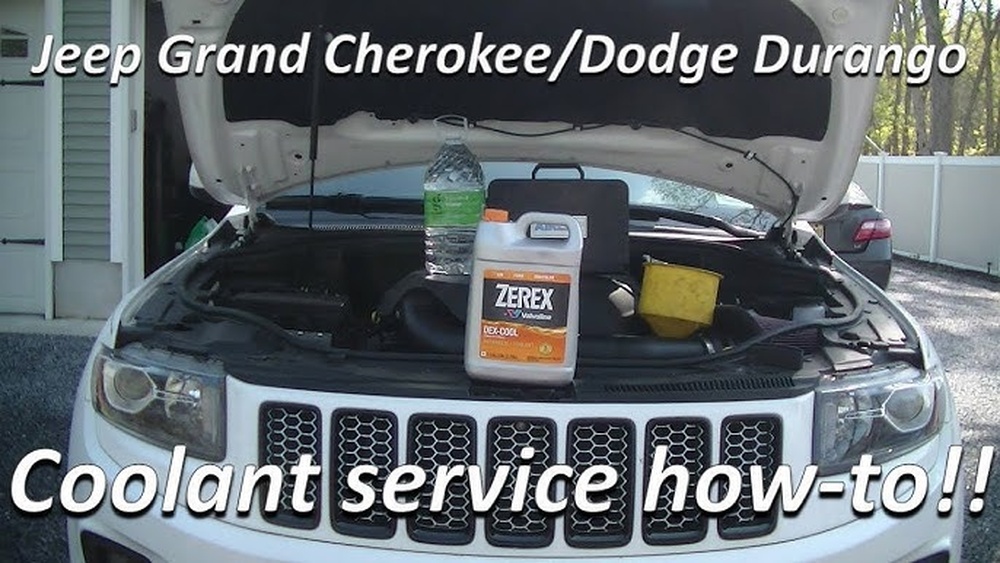
- Coolant (check your owner’s manual for type)
- Funnel
- Gloves
- Safety goggles
- Rags
Here’s a quick comparison of popular tool brands for this job:
| Tool Brand | Quality | Price | Common Use |
|---|---|---|---|
| Craftsman | High | $$ | Home repairs |
| Stanley | Medium | $ | DIY |
| Snap-On | Very High | $$$ | Professional |
Step-by-step: Draining Coolant
1. Prepare Your Jeep
Let your engine cool for at least 30 minutes. Hot coolant can cause burns. Park your Jeep on a flat surface and set the parking brake.
2. Locate The Radiator Drain Plug
Open the hood. Find the radiator at the front of the engine bay. Look for a small drain plug (usually plastic) at the bottom of the radiator, facing the engine or pointing downward. If you can’t find it, consult your owner’s manual.
3. Place The Drain Pan
Put your drain pan under the drain plug. Make sure it’s big enough to catch all the coolant. Most Jeep Grand Cherokees hold about 2.5 gallons (9.5 liters) of coolant.
4. Remove The Radiator Cap
Loosen the radiator cap slowly to release pressure. This makes draining faster and safer.
5. Open The Drain Plug
Use your fingers or a socket wrench to turn the drain plug counterclockwise. Coolant will start flowing out. Wait until the flow stops completely.
6. Drain Engine Block (optional)
Some models have a block drain bolt on the engine. If you want to remove all coolant, loosen this bolt as well.
7. Close The Drain Plug
When the coolant has finished draining, clean the plug area and tighten the drain plug securely. Do not overtighten; plastic plugs can crack.
8. Dispose Of Old Coolant
Used coolant is toxic. Pour it into a sealed container and take it to a recycling center or auto shop. Never pour it down the drain.
9. Refill With Fresh Coolant
Check your manual for the right coolant type. Most newer Grand Cherokees use HOAT (Hybrid Organic Acid Technology) coolant, usually orange or purple. Older models may use green ethylene glycol.
Here’s a comparison of coolant types:
| Coolant Type | Color | Life Span | Compatibility |
|---|---|---|---|
| HOAT | Purple/Orange | 5 Years/100,000 Miles | 2011+ models |
| Ethylene Glycol | Green | 2 Years/30,000 Miles | 1999–2010 models |
| OAT | Orange | 5 Years/150,000 Miles | Some newer models |
10. Bleed The Cooling System
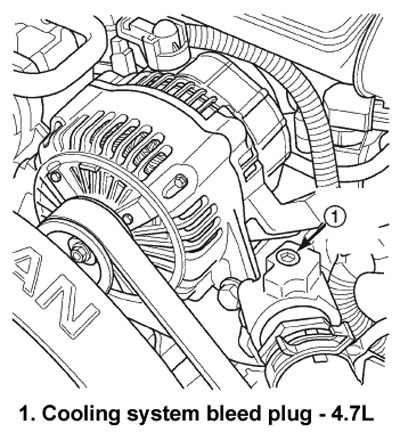
After refilling, start the engine and let it idle for a few minutes. Turn the heater on high. This helps air bubbles escape and prevents overheating.
11. Check For Leaks
Look under the Jeep for any signs of dripping. Double-check the drain plug and radiator cap.
If you see leaks, shut off the engine and fix the issue.
Practical Tips
- Never mix coolant types. Mixing can cause sludge and lower performance.
- Use distilled water if you need to dilute coolant. Tap water can leave mineral deposits.
- Label your coolant containers when disposing. Recycling centers need to know what’s inside.
- Check hoses for wear while you’re under the hood. Replace cracked hoses before refilling.
- Keep pets away. Coolant smells sweet but is dangerous to animals.
Here’s an estimate of time and difficulty for draining coolant on a Jeep Grand Cherokee:
| Step | Time Required | Difficulty |
|---|---|---|
| Draining | 20 Minutes | Easy |
| Refilling | 15 Minutes | Medium |
| Bleeding | 10 Minutes | Medium |
Common Mistakes To Avoid
- Forgetting to let the engine cool before starting.
- Not using the correct coolant type for your Jeep.
- Leaving air pockets in the cooling system, which can cause overheating.
- Improperly disposing of old coolant.
- Over-tightening the drain plug or radiator cap.
Non-obvious Insights
Many beginners overlook the importance of bleeding the cooling system. Air pockets can cause your engine to overheat quickly, even if you filled the radiator to the top. Also, some Jeep Grand Cherokee models have two drain points (radiator and engine block). If you miss one, old coolant may stay inside and mix with new fluid, reducing effectiveness.
Safety Reminder
Coolant is slippery and toxic. Clean any spills right away and wash your hands after handling.
If you have children or pets, keep old coolant out of reach.
For detailed Jeep maintenance schedules, see Jeep Official Maintenance Guide.
Frequently Asked Questions
How Often Should I Drain Coolant In My Jeep Grand Cherokee?
Most experts recommend every 5 years or 100,000 miles, but check your owner’s manual for your model’s requirement.
What Coolant Type Does My Jeep Grand Cherokee Use?
Older models (1999–2010) use green ethylene glycol. Newer models (2011+) usually require purple/orange HOAT coolant. Always check your manual.
Can I Drain Coolant Without Lifting The Jeep?
Yes, you usually don’t need to lift the Jeep. The drain plug is accessible from the front under the hood, but check your model if access is tight.
What Happens If I Don’t Bleed The Cooling System After Refilling?
Failing to bleed can leave air pockets. This may cause overheating, poor heater performance, and engine damage.
Is It Safe To Reuse Old Coolant?
No. Used coolant loses its protective qualities and can contain contaminants. Always use fresh coolant for best results.
Draining coolant from your Jeep Grand Cherokee is straightforward with the right tools and knowledge. Doing it yourself saves money and keeps your engine healthy. Always check for leaks, dispose of old coolant responsibly, and use the right fluid for your model. With these steps, your Jeep will stay reliable and safe for years to come.