Customizing a Jeep is more than just upgrading a vehicle. It’s about expressing your personality, improving performance, and making your ride ready for adventure. Whether you drive a Jeep Wrangler, Cherokee, or Gladiator, the customization options are almost endless. But with so many choices, it’s easy to feel overwhelmed. This guide will help you understand the best ways to personalize your Jeep, avoid common mistakes, and make smart decisions for both style and function.
Why Customize Your Jeep?
Jeep owners love to stand out. Customization lets you create a unique look and improve off-road capability. According to the Jeep Owners Group, over 60% of Jeep owners add at least one aftermarket part within the first year. Customizing also increases resale value. Modified Jeeps often sell for up to 20% more compared to stock models, especially when upgrades are professionally installed.
Upgrades can do more than just add value they solve real-life problems. For example, if you take your Jeep camping, a roof rack makes it much easier to carry tents and supplies.
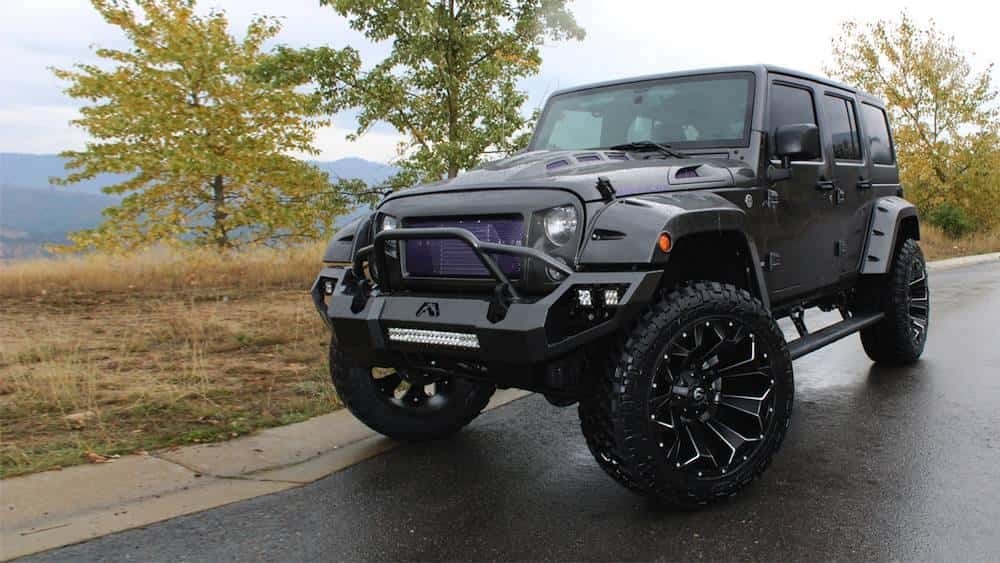
If you live in an area with harsh winters, better lighting and tires help you drive safely in snow and ice.
Some owners even modify their Jeeps to make them easier to clean after muddy adventures, adding waterproof seat covers or rubber floor mats.
Popular Jeep Customizations
Here are the most common ways people modify their Jeeps:
1. Lift Kits
A lift kit increases ground clearance, making your Jeep better for off-road trails. The average lift is 2 4 inches, which costs between $500 and $2,000.
Besides the practical benefits, a lifted Jeep looks more aggressive and stands out in traffic.
However, you should know that a higher lift may change how your Jeep handles and could require extra parts like extended brake lines or a new driveshaft.
2. Tires And Wheels
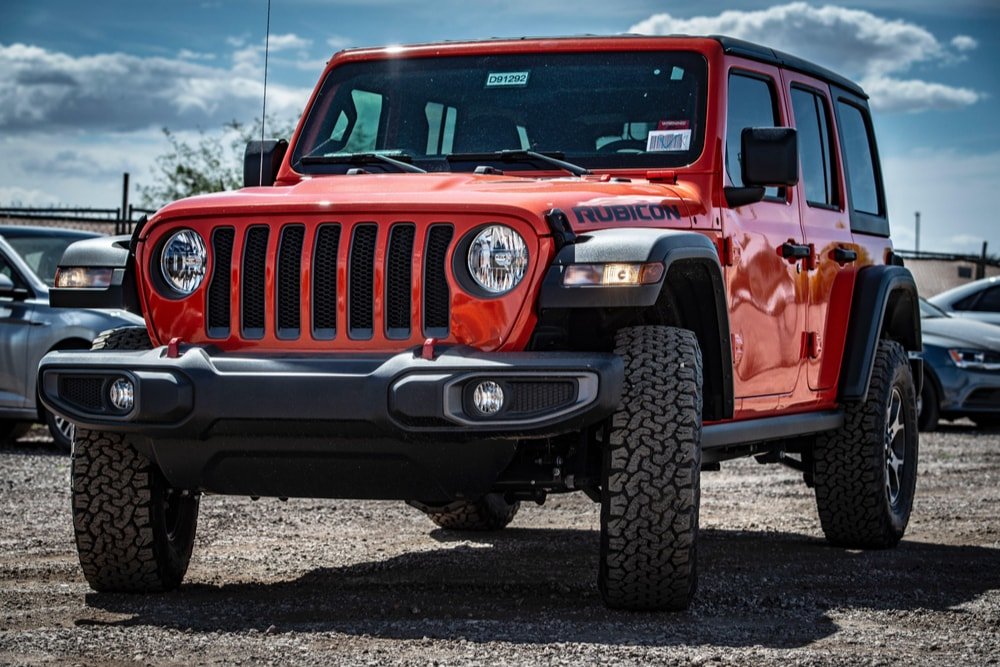
Bigger, tougher tires improve traction and durability. Many owners choose all-terrain or mud-terrain tires. Rims can be changed for style or strength. For example, beadlock wheels are popular with off-roaders because they keep tires from slipping off the rim at low pressures. On the street, many choose lighter alloy wheels for smoother driving and better fuel economy.
3. Bumpers And Winches
Heavy-duty bumpers protect your Jeep and let you add a winch for recovery. Winches help pull your Jeep out of mud or snow, with prices starting at $300. Front bumpers may also have mounts for extra lights or D-rings for towing. Rear bumpers can include tire carriers or steps for easier access.
4. Lighting Upgrades
LED headlights, fog lights, and light bars are popular. They increase visibility and add aggressive style.
Many Jeepers add small “rock lights” under their vehicles for night off-roading. Some states have laws about light color and brightness, so check local rules before you buy.
5. Roof Racks And Storage
Roof racks hold extra gear like bikes or kayaks. Internal storage solutions keep your equipment organized.
Some racks are designed for rooftop tents, turning your Jeep into a mobile campsite. Inside, lockable storage boxes are great for tools and valuables.
6. Performance Modifications
Cold air intakes, exhaust systems, and tuners boost horsepower and fuel efficiency. Tuning your Jeep’s computer can change how your engine responds, but it’s important to use trusted brands to avoid engine problems.
7. Interior Customizations
Seat covers, floor mats, and upgraded audio systems improve comfort and style. Some owners install grab handles, navigation units, or custom gauges for a more personalized touch.
If you travel with pets, waterproof seat covers or cargo liners are a smart upgrade.
Comparing Lift Kits
Choosing a lift kit depends on your needs. Here’s a quick comparison:
| Type | Height | Cost Range | Best For |
|---|---|---|---|
| Body Lift | 1–3 inches | $400–$800 | Looks, light off-road |
| Suspension Lift | 2–6 inches | $800–$2,000+ | Serious off-road |
| Leveling Kit | 1–2 inches | $200–$400 | Minor clearance |
Many beginners choose a body lift for its low cost, but a suspension lift offers better performance. Leveling kits are a good way to fix the factory "nose-down" look.
Remember, higher lifts often require extra parts like sway bar links or track bar brackets, adding to the total cost.
Tire And Wheel Options
Size matters when picking tires. Here’s a comparison of popular Jeep tire types:
| Tire Type | Size Range | Average Price | Best Uses |
|---|---|---|---|
| All-Terrain | 30–33″ | $150–$300 each | Mixed driving |
| Mud-Terrain | 33–37″ | $200–$400 each | Heavy off-road |
| Highway | 30–32″ | $100–$250 each | City, highway |
A common mistake is buying tires too big for your lift kit. Always check fitment before ordering.
Oversized tires can cause rubbing or even damage your fenders and suspension. It's also smart to consider the weight and road noise of larger tires, as these can affect gas mileage and comfort.
Mistakes To Avoid
Many Jeep owners rush into modifications. Here are two problems beginners often miss:
- Ignoring weight limits: Adding heavy bumpers, winches, and racks can affect your Jeep’s handling. Check your owner’s manual for maximum load. Too much weight can also damage your suspension or brakes over time.
- Skipping alignment: After installing a lift kit or new tires, you need a professional alignment. If you skip this step, your Jeep may pull to one side or wear out tires quickly.
Another thing people forget: Not all modifications are reversible. Cutting or drilling for some upgrades can lower resale value or make it hard to return your Jeep to stock condition.
Customizing For Off-road Vs. Daily Driving
Think about your main use. If you drive in the city most days, focus on comfort and easy-to-clean upgrades.
For off-road adventures, invest in protection and performance.
| Feature | City Driving | Off-Road |
|---|---|---|
| Seat Covers | Leather or fabric | Waterproof, rugged |
| Tires | Highway or all-terrain | Mud-terrain |
| Lighting | LED headlights | Light bars, spotlights |
| Storage | Organizers, cargo nets | Roof racks, lockboxes |
Jeep owners often mix both styles, but you should prioritize your needs. For example, if you only go off-road a few times a year, choose removable accessories like soft tops or lightweight racks.
If your Jeep is your daily driver, try to keep noise and ride comfort in mind when adding bigger tires or heavy-duty parts.
Practical Tips For Customizing
- Set a budget before you start. Jeep parts can add up fast. Many owners spend more than planned, so write down all expected costs first.
- Research brands and reviews. Not all parts are equal in quality. Watch installation videos and read forums for real-world experiences.
- Install in stages. Begin with essential upgrades, then add extras over time. This helps you spread out costs and learn what you actually need.
- Join Jeep forums and local clubs. You’ll get advice and see real-world examples. Community events are also a good place to find used parts or swap stories.
- Keep receipts. This helps with warranty claims and resale value.
A non-obvious tip: Many insurance companies require you to list modifications. If you skip this, you might lose coverage after an accident. Some upgrades, like lift kits or big tires, can even change your insurance rate, so always inform your provider.
Another smart move: Take photos before and after each upgrade. This creates a record for insurance, shows off your progress, and helps if you ever sell your Jeep.
Where To Find Quality Parts
Buy from trusted dealers, not just online marketplaces. Look for warranty and certification. Good parts usually come with clear instructions and support. For deeper research, visit the official Jeep website: Jeep Official Accessories.
If you shop used, always inspect parts for rust or wear. Some Jeep owners find great deals at swap meets, but it’s important to know exactly what you’re buying.
Frequently Asked Questions
What Are The Best First Upgrades For My Jeep?
Most owners start with tires, lift kits, and LED lights. These improve both looks and functionality. Floor mats and seat covers are also simple and practical beginner upgrades.
Is It Legal To Lift My Jeep?
Lifting is legal in most states, but rules vary. Check local laws about maximum height and bumper regulations. Some states require fender flares if your tires stick out.
How Much Does Customizing A Jeep Cost?
Basic upgrades cost about $1,000–$3,000. Full builds for off-road can reach $10,000+. Costs depend on the brand, labor, and how far you want to go.
Will Custom Parts Void My Warranty?
Some parts can affect your warranty. Use manufacturer-approved accessories to stay safe. Keep receipts and ask your dealer before installing major upgrades.
Can I Install Jeep Parts Myself?
Many parts are simple, like seat covers or lights. For lifts and performance upgrades, professional installation is safer. If you do it yourself, make sure to follow torque specs and double-check all bolts.
Customizing your Jeep brings excitement and pride. With careful planning, you can create a vehicle that matches your lifestyle and stands out everywhere you go.
Take your time, avoid rookie mistakes, and enjoy every upgrade. Each change can make your Jeep more capable and personal so have fun and make it truly yours.


















