Cleaning out spark plug wells is an important part of car maintenance. Over time, these wells can fill with dirt, oil, water, or even leaves.
If you ignore them, your engine can misfire or run poorly. Sometimes, you might even struggle to remove the spark plugs if the wells are dirty.
This guide explains, step by step, how to safely and effectively clean out spark plug wells. You don’t need advanced tools—just a careful approach and a bit of patience.
Why Clean Spark Plug Wells?
Spark plug wells are the narrow spaces around each spark plug. When these get dirty, the debris can block the spark or even damage the engine. Oil or water in the wells can cause the spark plug to short-circuit, leading to rough idling or trouble starting.
Many car owners overlook this simple task. However, keeping the wells clean means your engine will run better and your spark plugs will last longer.
If you see oil, that could mean a gasket leak, which is a bigger problem.
But most dirt and dust come from driving in everyday conditions.
Tools And Materials You Need
It’s best to gather everything before starting. Here’s what you’ll need:
- Compressed air canister or air compressor
- Shop vacuum with a narrow attachment
- Long cotton swabs or small brushes
- Non-metallic pick (plastic or wood)
- Gloves and eye protection
- Paper towels or rags
- Dielectric grease (optional, for reassembly)
- Socket wrench and spark plug socket
If you don’t have compressed air, you can use a vacuum and brush, but air works best for loose debris.
Step-by-step Cleaning Process
Follow these steps for best results. Take your time rushing can push dirt into the engine.
1. Prepare The Engine
- Let the engine cool down completely. Hot parts can burn you.
- Disconnect the battery’s negative terminal for safety.
- Remove any covers or ignition coils blocking access to the spark plugs.
2. Inspect The Wells
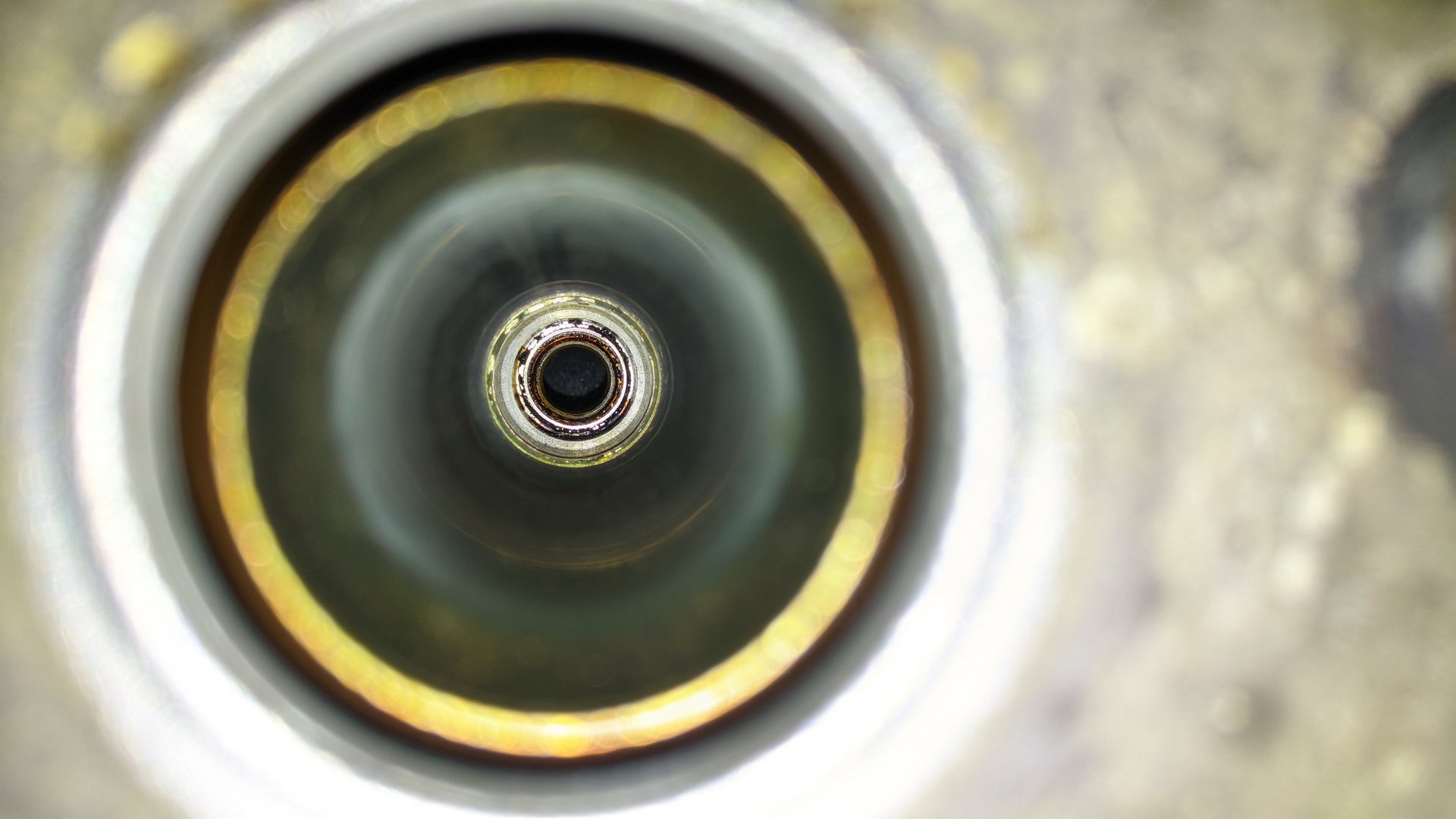
Before cleaning, look inside each well using a flashlight. Note if there’s oil, water, or just dirt.
This helps you decide the best cleaning method.
3. Blow Out Loose Debris
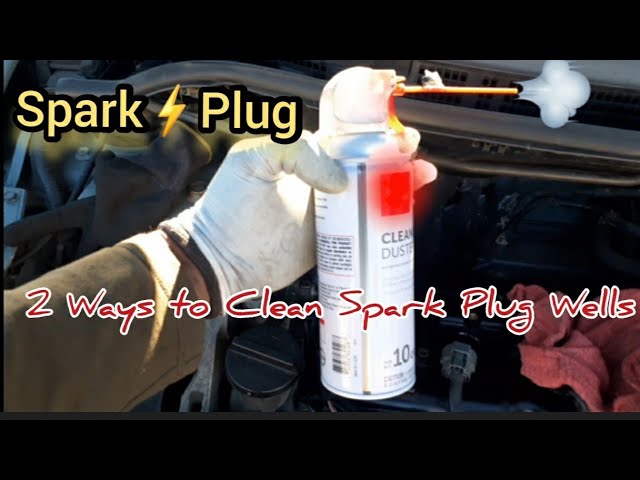
Use compressed air to blow away loose dirt. Hold the nozzle above each well and give short bursts.
If you don’t have air, use a shop vacuum with a narrow tip.
Pro tip: Always wear safety glasses—debris can fly out quickly.
4. Remove Stubborn Dirt
Dip a long cotton swab or small brush in a bit of rubbing alcohol. Gently scrub the inside of the well.
Avoid dropping any material inside. For sticky grime, use a non-metallic pick to loosen it.
If you see oil, wipe it out with a rag. Persistent oil means you might have a valve cover gasket leak, which needs repair.
5. Dry The Wells
Moisture can cause misfires, so make sure the wells are dry. Use compressed air again or wipe with a clean, dry swab.
6. Final Inspection
Shine a flashlight into each well. They should be clean and dry, with no visible debris or liquid.
7. Reassemble Carefully
Apply a thin layer of dielectric grease to the spark plug boot if you want extra protection. Replace the ignition coils and reconnect the battery.
Common Mistakes To Avoid
Many DIYers make small mistakes that can cause big problems. Here are some to watch out for:
- Skipping the debris removal step before taking out spark plugs. Dirt can fall into the engine and cause damage.
- Using metal picks or brushes that can scratch or break the ceramic insulator of the spark plug.
- Forgetting to dry the wells completely, which can lead to engine misfires.
- Not checking for oil leaks—simply cleaning without finding the source of oil can lead to repeated problems.
When To Clean Spark Plug Wells
You don’t need to clean them every month. Here’s a simple guide for timing:
| Situation | Recommended Cleaning Frequency |
|---|---|
| Regular driving (city/highway) | Every 30,000 miles or when changing plugs |
| Dusty or off-road environments | Every 10,000-15,000 miles |
| After flooding or oil leak | Immediately |
Comparing Cleaning Methods
Each cleaning method has its pros and cons:
| Method | Pros | Cons |
|---|---|---|
| Compressed air | Fast, effective, reaches deep wells | May blow debris elsewhere, needs care |
| Vacuum | Removes debris without spreading | May not reach sticky grime |
| Brush and swab | Good for stubborn dirt | Slower, risk of dropping fibers |
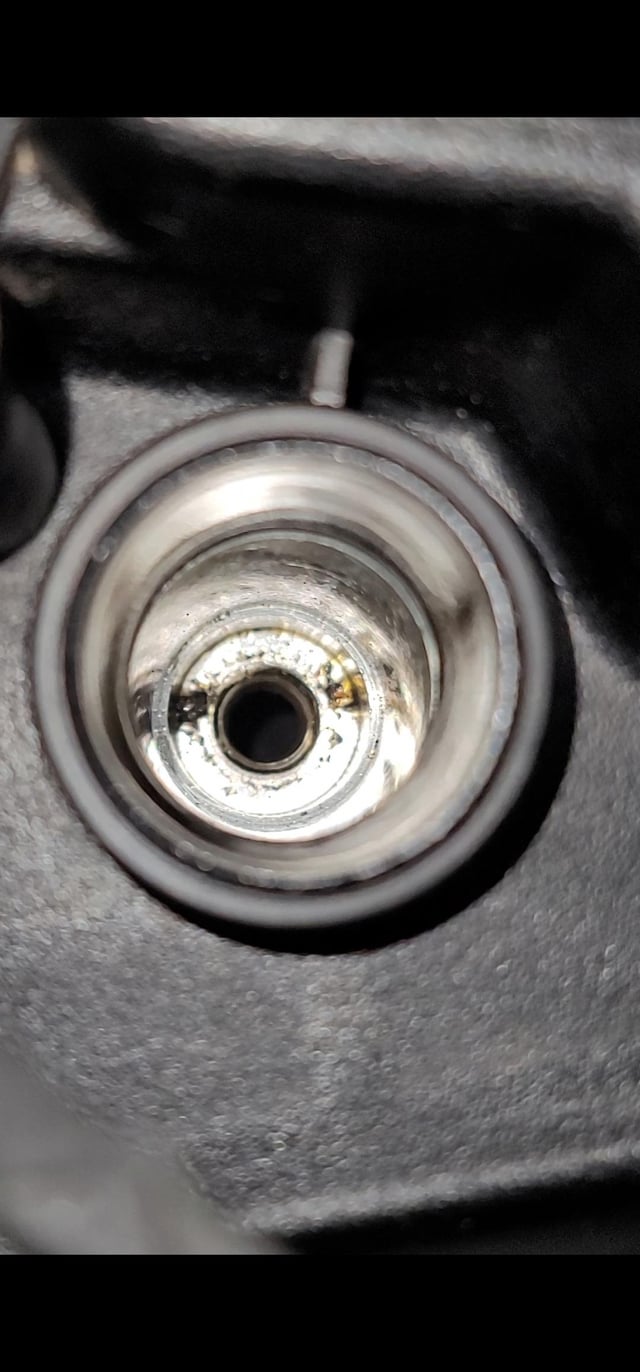
What If You Find Oil Or Water?
Finding oil or water in spark plug wells is a red flag. Oil usually means a valve cover gasket leak. Water could come from washing the engine or a leaking gasket. Clean the well, but also solve the root problem. Ignoring leaks can lead to expensive repairs.
If you’re unsure, talk to a mechanic. Sometimes, repairs need special tools or skills.
Practical Tips And Insights
- Always clean before removing spark plugs. It’s much easier than trying to clean after they’re out.
- If you use a shop vacuum, place a thin cloth over the nozzle to catch small particles.
- Don’t use harsh chemicals—most grime comes out with gentle scrubbing or air.
- If you notice repeated debris or oil, check for a missing engine cover or damaged seals.
Many beginners forget to check the spark plug boots for cracks or damage. Damaged boots let dirt in and should be replaced.
Sample Cost Comparison
Here’s a look at the cost of basic tools for cleaning spark plug wells:
| Tool | Average Cost (USD) |
|---|---|
| Compressed air canister | $6–$10 |
| Shop vacuum | $40–$120 |
| Brush/swab set | $3–$8 |
| Dielectric grease | $5–$7 |
Most people already have some of these tools at home.
Frequently Asked Questions
How Do I Know If My Spark Plug Wells Need Cleaning?
If you see dirt, oil, or water around the spark plugs, it’s time to clean. Engine misfires or hard starts can also be signs.
Can I Use Water To Clean Spark Plug Wells?
No, avoid water. Moisture can cause misfires and rust.
Stick to compressed air, a vacuum, or a small amount of rubbing alcohol on a swab.
Is It Safe To Clean Spark Plug Wells Myself?
Yes, if you follow the steps carefully. Always make sure the engine is cool and disconnect the battery before starting.
What If I Drop Something In The Spark Plug Well?
Try to remove it with a vacuum or long tweezers before taking out the spark plug. Never push debris down into the engine.
Where Can I Learn More About Spark Plug Maintenance?
You can find more detailed information at the official Wikipedia Spark Plug page.
Keeping spark plug wells clean is a simple way to protect your engine’s health. With the right tools and a bit of care, you can avoid common problems and keep your car running smoothly for years to come.