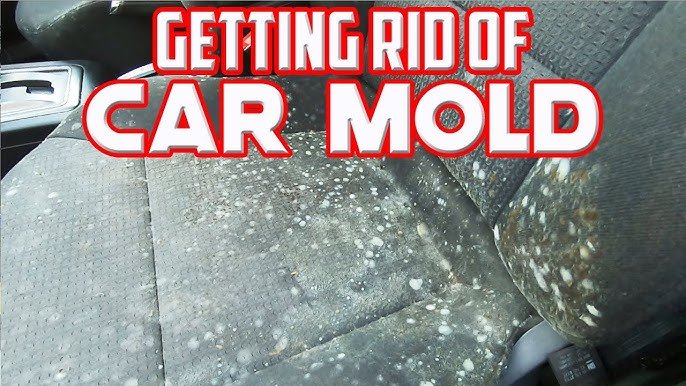
Mold can turn your car into a health hazard and make it smell unpleasant. If you see black, green, or white patches on seats, carpet, or panels, you need to act quickly.
Many people think cleaning mold is simple, but the wrong approach can spread spores or damage your interior.
This guide explains how to clean mold out of a car safely and effectively.
Why Mold Grows In Cars
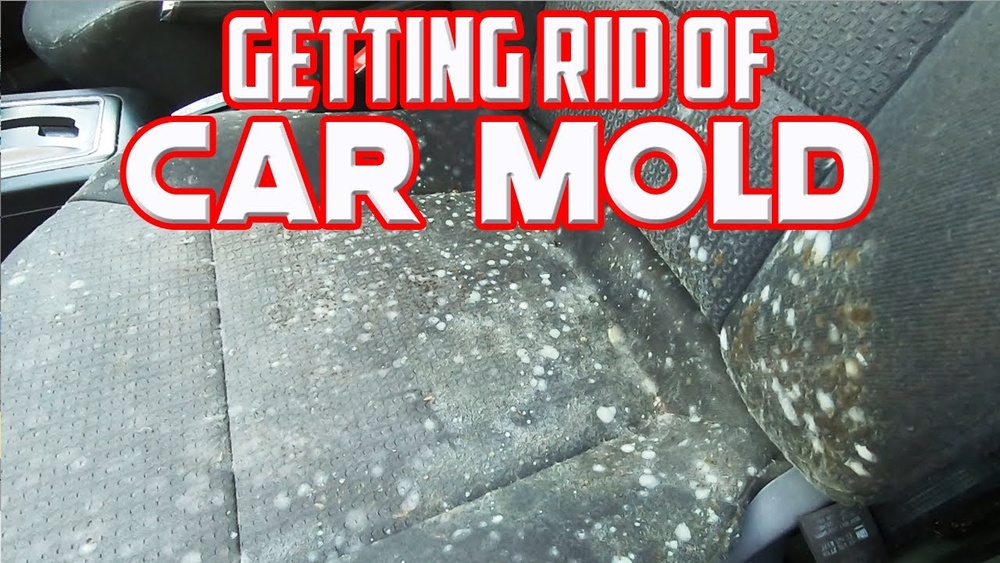
Mold grows in damp, warm spaces. Cars are at risk because spills, leaks, or even high humidity can create the perfect environment. If you leave windows open in the rain or have a blocked sunroof drain, moisture gets trapped. In just 24–48 hours, mold spores can multiply, especially on fabric and leather.
A 2022 study found that nearly 1 in 5 cars tested had visible mold, with higher rates in humid regions. This isn’t just about bad smells—exposure to mold can trigger allergies, asthma, and headaches.
What You Need Before Starting
Cleaning mold requires the right tools and safety steps. Here’s what you should have ready:
- N95 mask or respirator (never clean mold without one)
- Gloves (nitrile or rubber)
- Eye protection
- Trash bags (for contaminated items)
- Soft brush or upholstery brush
- Vacuum cleaner with HEPA filter
- Microfiber cloths
- White vinegar or commercial mold cleaner
- Spray bottle
- Baking soda
- Water
- Fan or dehumidifier
Never skip protective gear. Mold spores are tiny and can cause serious health issues if inhaled.
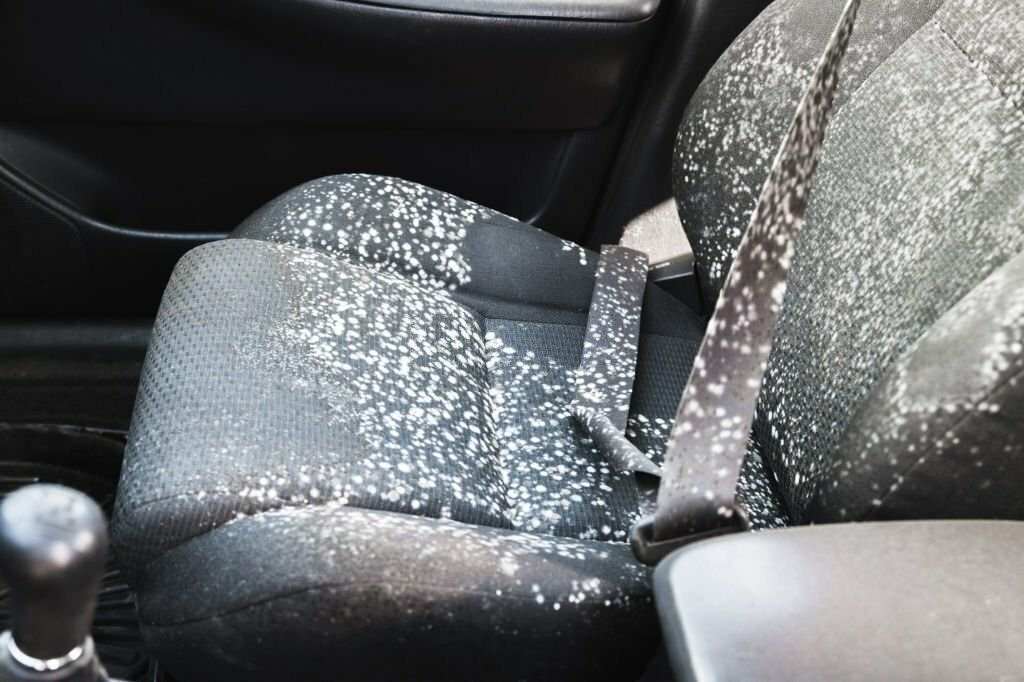
Step-by-step Guide To Cleaning Mold Out Of A Car
Follow these steps to get rid of mold completely and safely.
1. Remove All Items And Ventilate
First, take out all loose items: floor mats, seat covers, trash, and personal belongings. Place contaminated items in sealed trash bags if you plan to throw them away. Open all doors and windows. If possible, park the car in sunlight. Sunlight and fresh air help dry out moisture.
2. Dry The Interior
Before cleaning, you must dry the car’s interior. Mold will return if you clean but leave the car damp. Use a fan or a portable dehumidifier for a few hours. For severe cases, let a professional handle water extraction.
3. Vacuum Mold Spores
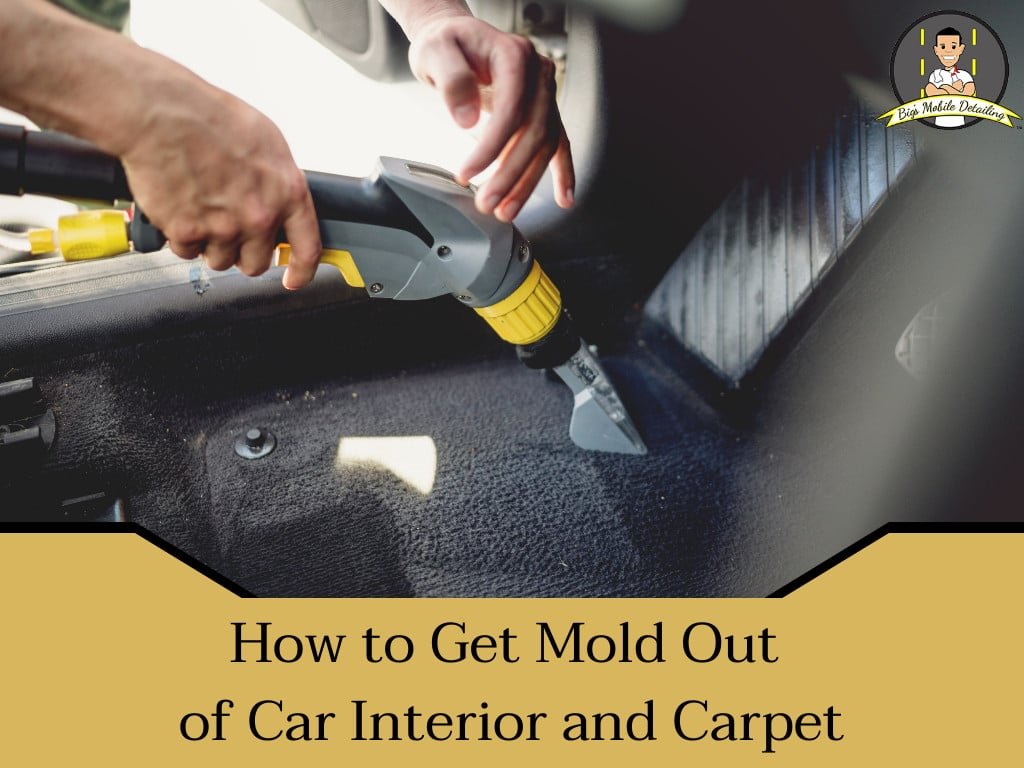
Use a HEPA vacuum to gently remove loose mold spores from seats, carpets, and panels. Regular vacuums can blow spores back into the air, making the problem worse. Go slowly and cover every surface, including under seats.
4. Apply Mold Cleaner
Mix equal parts white vinegar and water in a spray bottle, or use a commercial cleaner designed for car interiors. Spray affected areas lightly but avoid soaking them. Let the solution sit for 10–15 minutes—this kills most mold types.
Gently scrub with a soft brush, working in circles. Wipe away the residue with a clean microfiber cloth.
5. Treat Stubborn Mold And Odors
For tough spots, sprinkle baking soda on carpets or fabric seats. Let it sit for 15–20 minutes, then vacuum again. Baking soda helps absorb both moisture and odors.
If the mold smell remains, repeat the cleaning process. For leather seats, use a cleaner made for leather and avoid harsh chemicals.
6. Dry And Inspect
Run the fan or dehumidifier again to ensure the interior dries completely. Inspect all areas closely mold can hide in seat seams, under mats, or inside air vents.
Mold Cleaning Methods Compared
Here’s a quick look at common cleaning solutions and their effectiveness:
| Method | Effectiveness | Best For | Notes |
|---|---|---|---|
| White Vinegar | High | Most surfaces | Natural, inexpensive |
| Baking Soda | Moderate | Odors, carpets | Not a disinfectant |
| Commercial Cleaner | Very High | Heavy mold | Check for fabric safety |
| Bleach | Low | Hard surfaces only | Can damage car interiors |
Preventing Mold In Your Car
Stopping mold is easier than removing it. Here are key steps to keep your car mold-free:
- Fix leaks quickly: Check seals, sunroof drains, and windows.
- Dry wet spots: Use towels or fans after spills.
- Keep windows closed in rain or high humidity.
- Use moisture absorbers: Silica gel packs or desiccant bags help.
- Clean regularly: Dirt and dust feed mold growth.
Many people miss the air conditioning system. Mold can grow in AC vents. Run the fan on high with the windows open for a few minutes to reduce moisture.
Mold Removal Cost Vs Diy
Should you clean the mold yourself or hire a pro? This table compares both options:
| Option | Average Cost | Pros | Cons |
|---|---|---|---|
| DIY Cleaning | $20–$60 | Low cost, instant action | Labor-intensive, may miss hidden mold |
| Professional Service | $100–$300 | Thorough, includes ozone treatment | More expensive, may require leaving car overnight |
If you have health problems, a lot of mold, or can’t remove the smell, a professional service is safer.
When To Seek Professional Help
DIY methods work for small, visible spots. But if you notice these signs, call an expert:
- Mold returns after cleaning
- Strong, musty smell remains
- Mold covers large areas or is deep in vents
- You or family have allergy symptoms
Professionals have tools like ozone machines and can replace moldy insulation or filters.
Frequently Asked Questions
How Dangerous Is Mold In A Car?
Mold exposure can cause breathing problems, headaches, and allergic reactions. Children, elderly, and people with asthma are most at risk. Even small amounts should be removed quickly.
Can I Use Bleach To Kill Mold In My Car?
Bleach is not recommended for car interiors. It can damage fabric, leather, and plastic. Use white vinegar or a cleaner made for cars instead.
How Long Does It Take To Clean Mold From A Car?
Most jobs take 2 4 hours, including drying time. Severe cases or deep cleaning may need more time or several sessions.
Will Mold Come Back After Cleaning?
Mold can return if moisture remains or leaks are not fixed. Always dry the car completely and repair leaks after cleaning.
Where Can I Learn More About Mold Removal?
For more detailed information, visit the Centers for Disease Control and Prevention (CDC) website.
Cleaning mold out of your car takes effort, but it’s worth it for your health and comfort. With the right methods and regular care, you can keep your car fresh and mold-free.