Keeping your Jeep’s cloth seats clean does more than improve its look; it also helps the interior last longer. Cloth seats can trap dirt, sweat, and food crumbs easily.
If you ignore them, stains and smells can build up quickly, especially if you enjoy off-road adventures or use your Jeep for daily commutes. Many people worry about damaging the fabric or using the wrong products.
The good news is, cleaning cloth Jeep seats is simple if you use the right steps and tools.
Why Clean Cloth Jeep Seats Regularly?
Cloth seats tend to absorb dust, moisture, and oils from your skin and clothes. Over time, this causes bad smells and makes stains harder to remove. Regular cleaning also protects the color and stops the material from wearing out.
For example, a study by the International Carwash Association found that cars with clean interiors have a 10-15% higher resale value. Keeping your seats clean is not just about looks; it’s a smart way to protect your investment.
What You Need Before Cleaning
Gathering the right supplies saves time and avoids mistakes. Here’s what you’ll need:
- Vacuum cleaner with upholstery attachment
- Soft-bristled brush
- Microfiber cloths
- Bucket of warm water
- Mild fabric cleaner (or a mix of water and dish soap)
- Spray bottle (optional)
- White vinegar (for odor removal)
- Baking soda (for tough stains)
Avoid harsh chemicals and bleach. These can weaken the fabric and cause fading.
Step-by-step Cleaning Guide
1. Remove Loose Dirt And Debris
Start by removing floor mats and shaking them outside. Use a vacuum cleaner with an upholstery tool to clean the seat surfaces, including seams and crevices.
Pay extra attention to areas where crumbs and sand collect.
2. Treat Stains First
For fresh stains, blot with a clean microfiber cloth—never rub, as this spreads the stain. For stubborn spots, sprinkle a little baking soda on the area, let it sit for 15 minutes, then vacuum. For greasy stains, a small drop of mild dish soap mixed with water works well.
3. Apply Cleaner
Spray a mild fabric cleaner or your homemade mix (one part white vinegar to three parts water) on the seats. Do not oversaturate the fabric—light misting is enough. Let it sit for a few minutes to break down dirt.
4. Scrub Gently
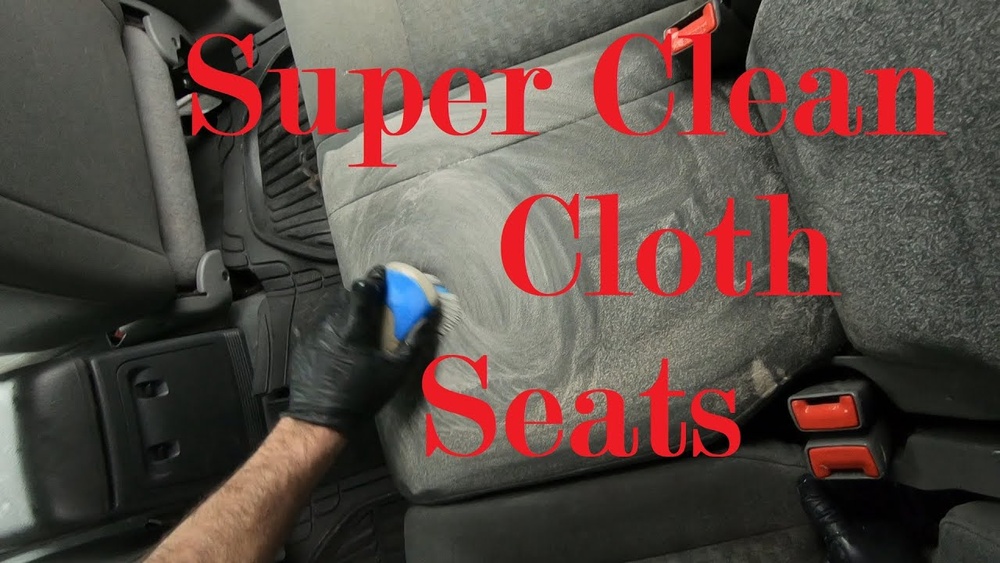
Use a soft-bristled brush to scrub the fabric in small circles. This lifts dirt without damaging the fibers. Focus on high-use areas like the driver’s seat, but don’t forget the edges and seatbacks.
5. Wipe And Dry
Use a damp microfiber cloth to wipe away the cleaner and loosened dirt. Repeat this step with a clean, dry cloth to absorb extra moisture. For best results, open the Jeep’s windows or doors to let seats air dry quickly.
6. Odor Removal (if Needed)
If your seats have lingering smells, sprinkle baking soda over the fabric and let it sit overnight. Vacuum it off the next day. For extra freshness, use a spray of diluted white vinegar.
7. Final Touch
Check for any missed spots or stains. Repeat the cleaning process on those areas if needed.
Once dry, replace your floor mats and enjoy your refreshed interior.
Common Mistakes To Avoid
Many Jeep owners make simple errors that can ruin cloth seats:
- Using too much water, which can cause mold and mildew
- Scrubbing with a hard brush, which damages the fibers
- Using bleach or harsh chemicals that fade the fabric
- Not letting seats dry fully before using the Jeep
Instead, always use gentle products and tools, and make sure seats are dry before driving.

How Often Should You Clean Jeep Cloth Seats?
A regular cleaning routine prevents buildup. Most experts recommend:
- Vacuuming once a week or after outdoor trips
- Spot cleaning stains immediately
- Deep cleaning every 2-3 months
If you have kids or pets, you may need to clean more often. Regular care keeps your seats looking and smelling fresh.
Quick Comparison: Home Remedies Vs. Store-bought Cleaners
Choosing the right cleaning solution can be confusing. Here’s a simple comparison:
| Option | Pros | Cons |
|---|---|---|
| Home Remedies (Vinegar, Baking Soda) | Cheap, Safe, Eco-friendly | May need more effort for tough stains |
| Store-Bought Cleaners | Fast results, Made for tough stains | Can be expensive, Risk of residue or fading |
Recommended Tools For Best Results
Not all brushes and cloths are equal. Here are useful tools:
| Tool | Why It’s Good |
|---|---|
| Soft-bristled brush | Removes dirt without harming fabric |
| Microfiber cloth | Absorbs moisture, doesn’t leave lint |
| Vacuum with upholstery tool | Deep cleans seams and crevices |
Professional Vs. Diy Cleaning: What’s Right For You?
Some stains or smells might be too tough for home cleaning. Here’s a quick look at both options:
| Method | Cost | Best For |
|---|---|---|
| DIY Cleaning | Low (Under $15) | Regular upkeep, mild stains |
| Professional Detailing | High ($75–$150) | Severe stains, bad odors |

Final Thoughts
Learning how to clean cloth Jeep seats is simple, but it makes a big difference. With the right tools and regular care, you can keep your seats fresh, stain-free, and comfortable for years. Remember, the best results come from treating stains early and using gentle products. If you need more guidance, resources like the official Jeep Care page offer helpful tips.
Frequently Asked Questions
How Do I Remove Pet Hair From Cloth Jeep Seats?
Use a rubber glove or a slightly damp sponge to wipe the seat surface. This lifts pet hair better than a vacuum alone. For heavy shedding, try a pet hair removal brush.
Can I Use A Steam Cleaner On Cloth Jeep Seats?
Yes, but use it with care. Too much heat or water can damage the fabric.
Always test on a small area first and let seats dry completely before use.
What Should I Do If My Seats Smell Musty?
Sprinkle baking soda over the seats, let it sit overnight, then vacuum. Open doors and windows to air out your Jeep. For strong odors, consider a white vinegar spray.
Is It Safe To Use Household Cleaners Like Lysol?
Lysol sprays may contain chemicals that can fade or weaken cloth. Stick to mild fabric cleaners or natural options like vinegar and water.
How Can I Protect My Cloth Seats From Future Stains?
Use seat covers for heavy-duty protection. Also, apply a fabric protector spray after cleaning to make future stains easier to remove.