If you drive a Jeep Patriot, you know the importance of regular maintenance. One task that often gets overlooked is checking the transmission fluid.
Good transmission fluid keeps your gears shifting smoothly and protects your vehicle from expensive repairs. But checking it is not always as obvious as checking oil or coolant.
This guide will show you, step by step, how to check transmission fluid on your Jeep Patriot. You’ll also learn what signs to watch for, why this task matters, and how to avoid common mistakes that can cost you in the long run.
Why Transmission Fluid Matters
Your Jeep Patriot’s transmission fluid is vital for several reasons:
- It lubricates moving parts inside the transmission.
- It helps cool the transmission.
- It enables smooth gear shifting.
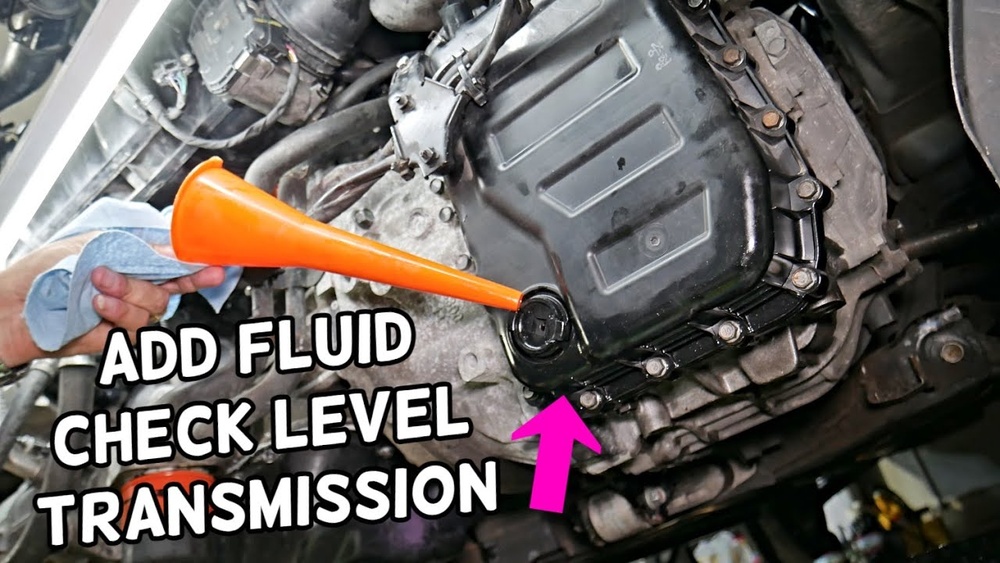
Low or dirty fluid can lead to rough shifts, overheating, or even total transmission failure. Replacing a transmission can cost over $3,500, while a simple fluid check is free and takes only minutes.
Types Of Transmission In The Jeep Patriot
Before you check your fluid, you need to know which transmission type your Patriot has. This affects how you check the fluid and what kind you need.
| Model Year | Transmission Type | Serviceable Dipstick? |
|---|---|---|
| 2007–2010 | CVT (Continuously Variable Transmission) | No (dealer check) |
| 2011–2017 | 6-speed automatic or 5-speed manual | Varies (manual: plug, auto: dipstick) |
Important: Many Jeep Patriots with a CVT do not have a standard dipstick. You may need a special tool or have it checked at a dealer. Always check your owner’s manual first.
Tools And Items You Need
To check your transmission fluid, gather:
- Owner’s manual (for reference)
- Clean rag or paper towels
- Gloves (recommended)
- Flat surface to park your car
- Transmission dipstick tool (if required for CVT models)
Some Patriots require a special dipstick sold by Mopar or aftermarket brands. If your vehicle lacks a dipstick, do not try to guess using the wrong method can damage your transmission.
Step-by-step: How To Check Transmission Fluid On Jeep Patriot
- Warm Up the Engine
- Start the engine and let it run until it reaches normal operating temperature. Transmission fluid expands when warm and gives a more accurate reading.
- Park and Secure the Vehicle
- Place the vehicle on a level surface. Put the transmission in Park (automatic) or Neutral (manual) and set the parking brake.
- Locate the Dipstick
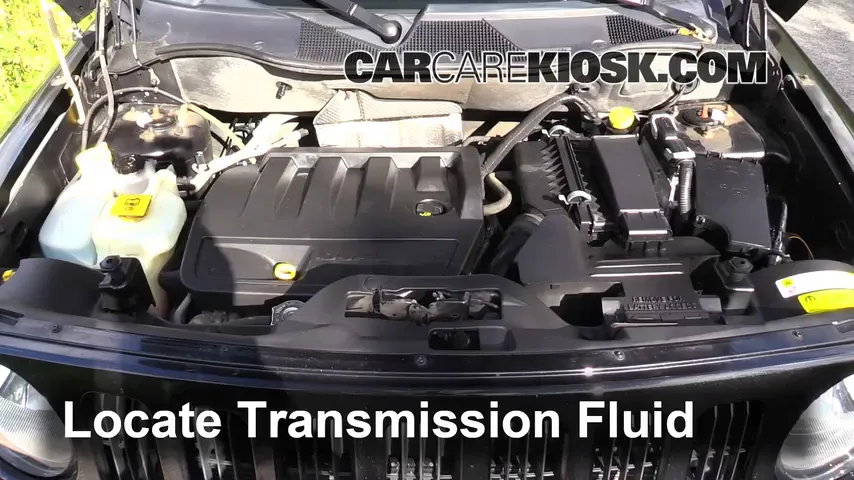
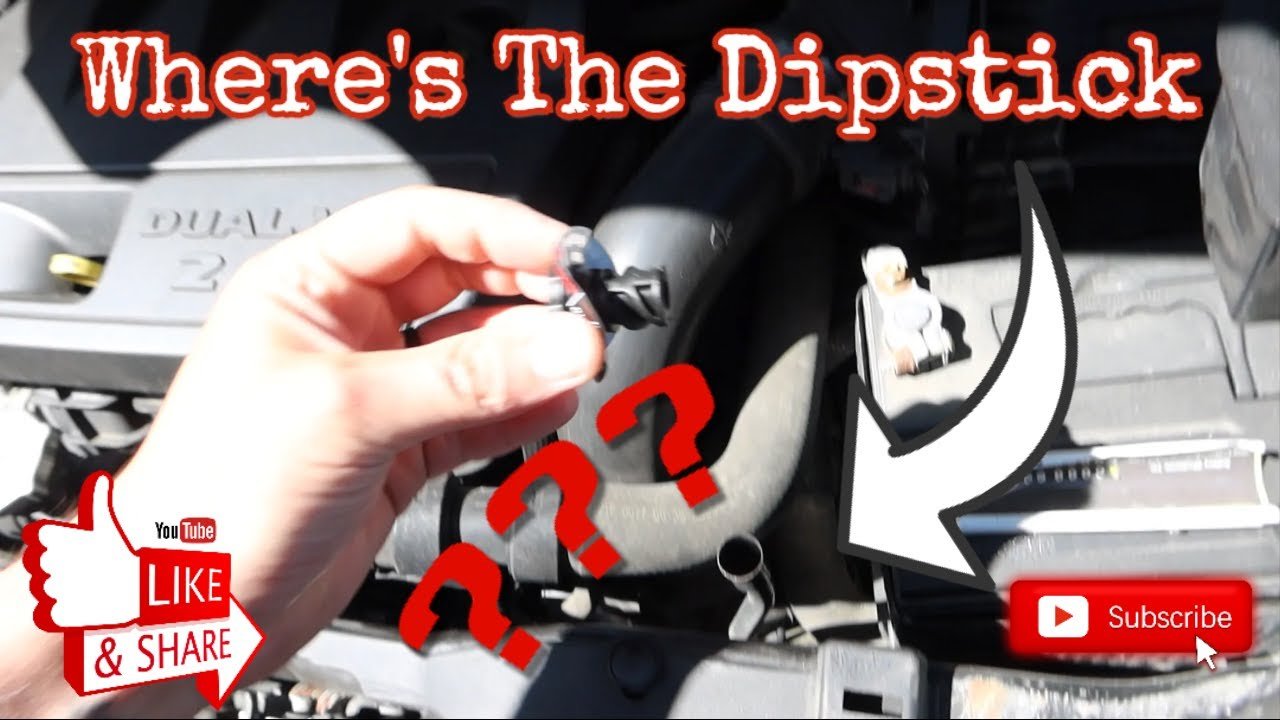
- Open the hood. Look for the transmission dipstick—usually near the back of the engine bay. It may be labeled or have a colored handle. If you don’t see it, check your owner’s manual or look for a plug on manual transmissions.
- Remove and Clean the Dipstick
- Pull out the dipstick, wipe it clean with a rag, and reinsert it fully.
- Check the Fluid Level
- Remove the dipstick again and look at the markings. There should be “Full” and “Add” or “Hot” and “Cold” marks. Fluid should be in the safe range.
- Inspect Fluid Condition
- Fluid should be pink or light red and mostly clear. If it looks dark, brown, or smells burnt, it may need changing.
- Top Up If Needed
- If the level is low, add the correct type of transmission fluid through the dipstick tube. Add slowly, checking the level each time.
- Finish Up
- Reinsert the dipstick securely. Close the hood.
| Fluid Color | Condition | Action Needed |
|---|---|---|
| Pink/Red, Clear | Good | No action |
| Light Brown | Old but usable | Monitor, consider changing soon |
| Dark Brown/Black | Burnt, dirty | Change fluid and check for problems |
Special Advice For Jeep Patriot Owners
- CVT Transmission Needs Dealer Service: Many 2007-2010 models with CVT require a special dipstick and may not be owner-serviceable. For these, it’s best to let a certified technician check the fluid.
- Use Only Approved Fluid: Jeep Patriots often require ATF+4 or CVTF+4 for CVT models. Using the wrong fluid can cause serious damage.
- Don’t Overfill: Too much fluid can be as harmful as too little. Always add in small amounts and recheck.
- Check Regularly: Fluid should be checked at least every 30,000 miles or once a year. If you tow, drive in hot climates, or make short trips, check more often.
- Watch for Warning Signs: Hard shifts, slipping, or strange noises can mean low or dirty fluid. Don’t ignore these symptoms.
Common Mistakes To Avoid
- Checking when cold: Always check fluid when the engine is warm for the most accurate reading.
- Mixing fluid types: Never mix different types or brands. Stick to the one listed in your manual.
- Ignoring color and smell: Dark or burnt-smelling fluid is a sign of trouble.
- Forcing the dipstick: If it doesn’t fit, don’t force it—you may have the wrong tool or be using the wrong location.
- Not using a level surface: A sloped driveway will give a false reading.
Cost Of Neglecting Transmission Fluid
Ignoring your transmission fluid can lead to transmission failure. Repair costs for a Jeep Patriot transmission often range from $1,800 to over $3,500. Routine fluid checks can save you thousands and keep your vehicle running longer.
Frequently Asked Questions
How Often Should I Check The Transmission Fluid In My Jeep Patriot?
Check the transmission fluid at least once a year or every 30,000 miles. If you drive in tough conditions or tow, check more often.
What Type Of Transmission Fluid Does A Jeep Patriot Use?
Most Jeep Patriots need ATF+4 (for automatics) or CVTF+4 (for CVT). Always confirm with your owner’s manual for your exact model year.
Can I Check My Jeep Patriot’s Transmission Fluid Myself?
If your model has a dipstick, yes. For CVT models without a dipstick, a special tool or dealer service may be needed. Never force a check if you’re unsure.
What Are Signs That My Transmission Fluid Is Low Or Bad?
Look for hard shifting, slipping gears, hesitation, or strange noises. Fluid that’s dark or smells burnt also signals a problem.
Where Can I Learn More About Transmission Maintenance?
You can find more details and official guides on the Wikipedia Automatic Transmission Fluid page.
Caring for your Jeep Patriot’s transmission fluid is simple but important. Checking it regularly can prevent major issues and keep your SUV running smoothly for years.
Don’t wait for problems check your fluid, use the right type, and stay alert for any changes.
This small habit will save you money, stress, and time on the road.