Keeping your Jeep Grand Cherokee running smoothly means paying attention to its transmission fluid. If you ignore this simple maintenance task, you risk expensive repairs and poor driving performance.
Many drivers, especially beginners, wonder how to check transmission fluid safely and correctly. This guide gives you practical steps, clear tips, and expert advice to help you check transmission fluid in your Jeep Grand Cherokee, no mechanic required.
Whether you drive an older model or the latest version, checking transmission fluid is a must for healthy transmission and longer vehicle life. to the essentials, from tools to step-by-step instructions, common mistakes, and cost details.
You’ll also find comparison tables to help you understand your options.
Why Transmission Fluid Matters
Transmission fluid is the lifeblood of your vehicle’s transmission. It keeps gears lubricated, cools moving parts, and helps your Jeep shift smoothly. If the fluid is low, dirty, or old, you may notice:
- Hard shifting
- Delayed response
- Strange noises
- Overheating
Ignoring these signs can lead to costly repairs. For most Jeep Grand Cherokees, experts recommend checking transmission fluid every 30,000 to 60,000 miles, but you should check more often if you tow heavy loads or drive in tough conditions.
Tools And Preparation
Before you start, gather these basic tools:
- Clean rag or paper towel
- Transmission fluid (type recommended for your model)
- Funnel
- Latex gloves
- Flashlight (if working in low-light)
- Owner’s manual
Always check your owner’s manual for the right fluid type and procedures. Some modern Grand Cherokees use “sealed” transmissions that don’t have a dipstick; these require special steps and may need a professional.
Step-by-step Guide: Checking Transmission Fluid
Checking transmission fluid in a Jeep Grand Cherokee is straightforward if you follow these steps. Most models (especially older ones) have a dipstick for easy access.
1. Park Safely
Always park your vehicle on a level surface. Turn off the engine and set the parking brake. For the most accurate reading, some models require the engine to be running and at normal operating temperature, check your manual to confirm.
2. Open The Hood
Pull the hood release lever inside your Jeep. Open the hood fully and secure it with the prop rod.
3. Locate The Dipstick
Find the transmission dipstick. It usually has a red or yellow handle and is labeled “Transmission.” If you can’t find it, check the manual or look for a label.
4. Remove And Clean The Dipstick
Pull out the dipstick. Wipe it clean with a rag or towel to remove old fluid.
5. Check Fluid Level
Insert the dipstick back in fully, then pull it out again. Look at the fluid level against the markings usually "Full" and "Add.
" The fluid should be between these marks.
6. Inspect Fluid Condition
Examine the fluid’s color and smell:
- Healthy fluid: Clear, pinkish-red, no burnt smell
- Dirty fluid: Brown or black, gritty, smells burnt
If the fluid is dirty or smells bad, it’s time to change it.
7. Add Fluid If Needed
If the fluid is low, use a funnel to add the correct type. Pour slowly and check the level after each small addition. Don’t overfill.
8. Close Everything Up
Replace the dipstick, close the hood, and make sure everything is secure.
Quick Reference Table: Steps To Check Transmission Fluid
| Step | Action | Tip |
|---|---|---|
| 1 | Park on level ground | Ensures accurate reading |
| 2 | Open hood | Use prop rod for safety |
| 3 | Find dipstick | Check manual if unsure |
| 4 | Clean dipstick | Prevents false readings |
| 5 | Check level | Look for “Full/Add” marks |
| 6 | Inspect fluid | Color and smell matter |
| 7 | Add fluid | Use funnel, avoid overfilling |
| 8 | Close hood | Double-check everything |
Common Mistakes Beginners Make
Many new Jeep owners make simple mistakes that can lead to transmission problems. Avoid these common errors:
- Checking fluid when engine is cold: This gives a false reading. Always check when engine is warm unless your manual says otherwise.
- Using the wrong fluid type: Jeep Grand Cherokee models need specific fluids. Mixing types can cause damage.
- Overfilling: Too much fluid can cause foaming, slipping, and leaks.
- Ignoring dirty fluid: Old or burnt fluid means it’s time for a change, not just a top-off.
- Skipping regular checks: Waiting too long can mean expensive repairs.
Pros And Cons Of Checking Transmission Fluid Yourself
Checking transmission fluid at home is easy, but it’s not always perfect. Here’s a quick comparison:
| Pros | Cons |
|---|---|
| Save money | May miss signs of deeper issues |
| Quick and convenient | Some models lack dipstick |
| Learn more about your vehicle | Risk of using wrong fluid |
| Immediate action if low | Can overfill accidentally |
If you’re unsure or your Jeep has a sealed transmission, it’s best to visit a professional.
Jeep Grand Cherokee Transmission Types And Fluid Recommendations
Not all Jeep Grand Cherokees are the same. Older models (before 2014) usually have dipsticks, while newer ones may be “sealed” and require special tools.
Transmission Types
- Traditional automatic: Easy dipstick access, simple check.
- Sealed automatic: No dipstick; requires special tool and procedure.
Fluid Recommendations
Always use the manufacturer-recommended fluid. Using the wrong type can cause poor shifting or damage.
| Model Year | Transmission Type | Fluid Type | Estimated Cost (per quart) |
|---|---|---|---|
| 2005 to 2013 | Automatic (dipstick) | ATF+4 | $8, $12 |
| 2014 to 2022 | Sealed automatic | ZF Lifeguard Fluid | $20, $30 |
| 2023+ | Sealed automatic | ZF Lifeguard Fluid | $20, $30 |
Tip: Using genuine fluids is more expensive but reduces risk of transmission issues.

Signs Your Transmission Fluid Needs Attention
Sometimes, checking fluid is not enough. Watch for these signs:
- Slipping gears
- Shifting delays
- Transmission warning light
- Unusual noises
- Fluid leaks under the car
If you notice any of these, check the fluid immediately or visit a mechanic. Catching problems early saves money.
Practical Tips For Beginners
- Check fluid regularly: Every 6 months or before long trips.
- Use the right tools: A clean rag, funnel, and correct fluid.
- Follow your manual: Procedures can change by model and year.
- Keep records: Note the date and mileage when you check fluid.
- Don’t ignore warning lights: If your dashboard shows a transmission light, act fast.
Non-obvious insight: Even if your Jeep’s transmission is “sealed,” you can still check fluid level by looking for leaks or performance changes. Modern sealed transmissions often require a shop visit for precise checks, but some owners buy aftermarket dipsticks for occasional home checks.
How Often Should You Check Transmission Fluid?
Most experts recommend checking transmission fluid every 30,000 to 60,000 miles or once a year. If you drive in tough conditions (hot weather, towing, frequent stop-and-go), check more often.
Some Jeep Grand Cherokee models have maintenance reminders; follow them for best results.
Cost To Check And Replace Transmission Fluid
Checking transmission fluid yourself is usually free, except for the cost of fluid if you need to top off. Professional shops charge:
- Fluid check: $20, $50
- Fluid change: $100, $250 (depends on model and fluid type)
Sealed transmissions cost more to service. Always ask for a quote and make sure the shop uses manufacturer-approved fluid.
Advanced Tips: For Newer Jeep Grand Cherokees
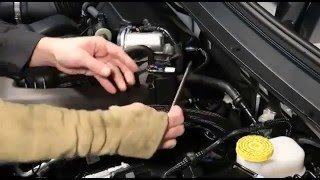
If your Jeep Grand Cherokee has a sealed transmission,
- You may need a special dipstick tool and a scan tool to check fluid temperature.
- Fluid level must be checked at specific temperatures, usually between 86°F and 122°F.
- Some shops use lifts to get under the vehicle for access.
Non-obvious insight: Many shops now recommend a fluid change at 60,000 miles for sealed transmissions, even if the manual says “lifetime fluid.” Real-world driving often requires earlier service.
When To See A Mechanic
If you’re unsure, or your Jeep doesn’t have a dipstick, visit a qualified mechanic. Professional shops can check fluid levels with special tools and scan for transmission codes.
Choose a shop that:
- Has experience with Jeep Grand Cherokees
- Uses genuine fluids
- Explains their process clearly
For more detailed instructions and Jeep service schedules, visit the official Jeep site: Jeep Maintenance & Care.
<!– wp:rank-math/faq-block {"questions":[{"id":"faq-question-4e829605ad02","title":"How Do I Know If My Jeep Grand Cherokee Has A Sealed Transmission?","content":"Check your owner’s manual. If there’s no dipstick and the manual says “sealed,” you’ll need a special tool or visit a mechanic.
“,”visible”:true},{“id”:”faq-question-40bf0cdcff19″,”title”:”What Color Should Transmission Fluid Be?”,”content”:”Healthy transmission fluid is pinkish-red and clear. If it’s brown, black, or smells burnt, it needs to be changed.
“,”visible”:true},{“id”:”faq-question-f77e6ad69260″,”title”:”Can I Mix Different Types Of Transmission Fluid?”,”content”:”Never mix different types. Always use the exact fluid recommended for your Jeep Grand Cherokee.
“,”visible”:true},{“id”:”faq-question-265b2a1ae513″,”title”:”How Much Transmission Fluid Does A Jeep Grand Cherokee Need?”,”content”:”Most models need 6 to 9 quarts for a full change, but a simple top-off usually requires less than one quart. Check your manual for exact numbers.
“,”visible”:true},{“id”:”faq-question-43676cef6ab3″,”title”:”Is Checking Transmission Fluid Necessary If There Are No Problems?”,”content”:”Yes. Regular checks prevent unexpected breakdowns and expensive repairs. Even if everything seems fine, check fluid every 6 months or before long trips.
“,”visible”:true}]} –>How Do I Know If My Jeep Grand Cherokee Has A Sealed Transmission?
Check your owner’s manual. If there’s no dipstick and the manual says “sealed,” you’ll need a special tool or visit a mechanic.
What Color Should Transmission Fluid Be?
Healthy transmission fluid is pinkish-red and clear. If it’s brown, black, or smells burnt, it needs to be changed.
Can I Mix Different Types Of Transmission Fluid?
Never mix different types. Always use the exact fluid recommended for your Jeep Grand Cherokee.
How Much Transmission Fluid Does A Jeep Grand Cherokee Need?
Most models need 6 to 9 quarts for a full change, but a simple top-off usually requires less than one quart. Check your manual for exact numbers.
Is Checking Transmission Fluid Necessary If There Are No Problems?
Yes. Regular checks prevent unexpected breakdowns and expensive repairs. Even if everything seems fine, check fluid every 6 months or before long trips.
Final Thoughts
Checking transmission fluid in your Jeep Grand Cherokee is a simple task that saves money and keeps your vehicle running smoothly. Whether you drive an older model with a dipstick or a newer sealed transmission, regular checks and using the correct fluid are key.
Don’t wait for trouble be proactive. With the right tools and a few minutes, you’ll keep your Jeep shifting perfectly for years to come.
Meta Title: How to Check Transmission Fluid in Jeep Grand Cherokee: Easy Step-by-Step Guide
Meta Description: Learn how to check transmission fluid in your Jeep Grand Cherokee. Simple steps, expert tips, and practical advice for beginners. Keep your transmission healthy and avoid costly repairs.