Checking your Jeep Grand Cherokee’s oil might sound simple, but doing it the right way can make a real difference. Regularly monitoring your engine oil keeps your SUV running strong and helps you avoid major repair costs.
This guide explains every step, offers real-world tips, and highlights common mistakes.
Even if you’re new to car care, you’ll learn how to check oil in your Jeep Grand Cherokee confidently.
Why Checking Oil Matters
Your Jeep’s engine relies on oil to reduce friction, prevent overheating, and fight wear. When oil is too low or dirty, your engine risks damage. Studies show that poor oil maintenance is a leading cause of engine failure. For a Jeep Grand Cherokee, skipping checks can lead to repairs costing thousands of dollars.
Many drivers believe the oil light is enough warning. In reality, the oil light often comes on only after pressure drops dangerously low.
By then, engine damage may have started. Regular manual checks give you control and peace of mind.
What You’ll Need
You don’t need special tools to check your Jeep’s oil. Here’s what helps:
- Clean rag or paper towel
- Owner’s manual (for reference)
- Gloves (optional, keeps hands clean)
Make sure your Jeep is parked on a level surface before you begin.
Step-by-step: How To Check Oil In Jeep Grand Cherokee
Let’s get practical. These steps work for most Grand Cherokee models from 2011 and newer, though older models are similar.
1. Turn Off The Engine And Wait
After driving, turn off your Jeep and let the engine cool for at least 5-10 minutes. This allows oil to settle in the pan, giving an accurate reading. Checking too soon can show a lower level than actual.
2. Open The Hood Safely
Release the hood latch inside your Jeep. Move to the front and lift the hood, using the support rod if your model has one.
Always ensure the hood is secure before working underneath.
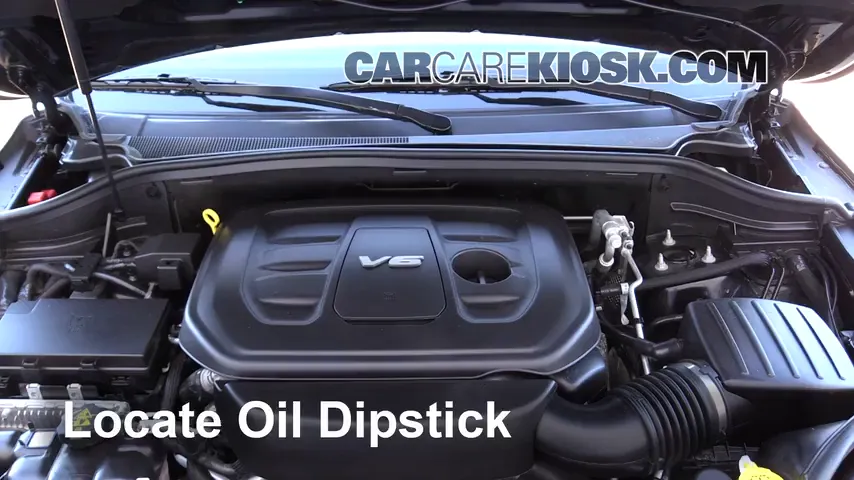
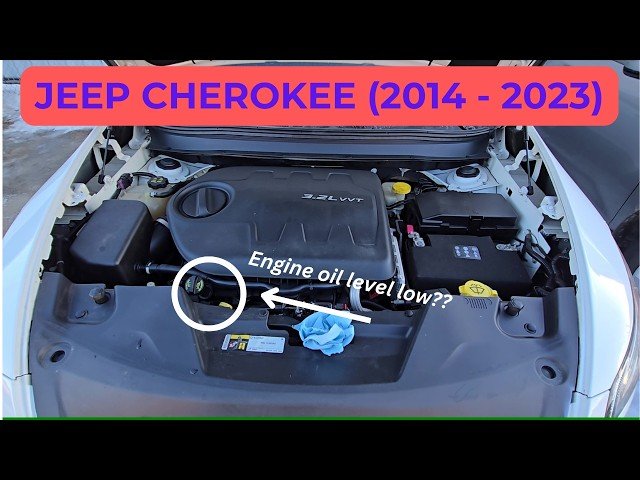
3. Locate The Dipstick
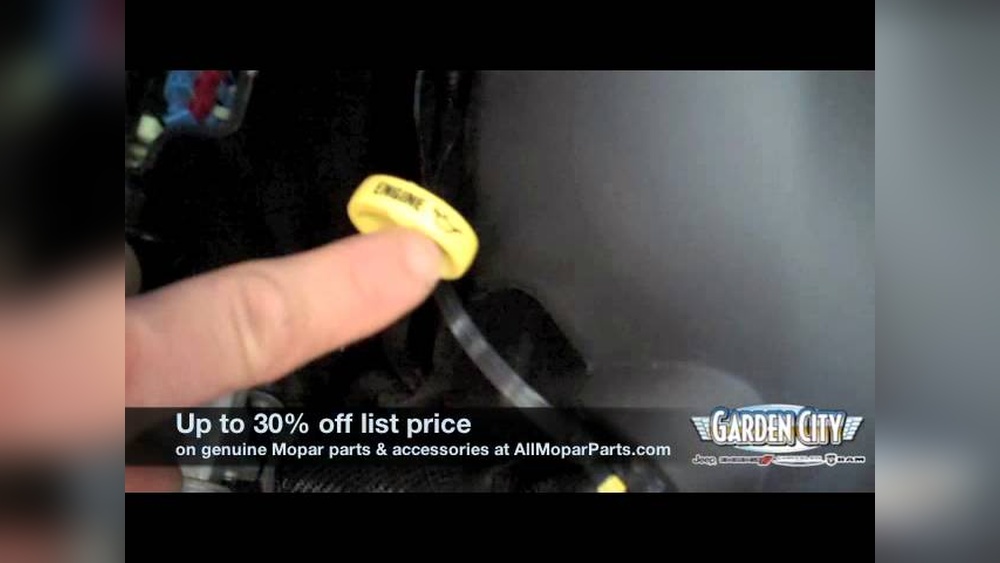
Look for a yellow or orange ring near the front of the engine. That’s your oil dipstick. If you’re not sure, your owner’s manual shows the exact location.
4. Pull And Clean The Dipstick
Pull the dipstick out and wipe it clean with your rag. This removes oil that may have splashed during driving.
5. Reinsert And Remove Again
Push the dipstick fully back into its tube, then pull it out again. Hold the dipstick horizontally to read the oil level.
6. Read The Oil Level
You’ll see two marks—“MIN” and “MAX” or crosshatched areas. The oil should be between these marks. If the level is below “MIN,” add oil soon.
Here’s a simple comparison for what you might see:
| Oil Level | What It Means |
|---|---|
| Below MIN | Too low—add oil immediately |
| Between MIN and MAX | Normal—no action needed |
| At or above MAX | Overfilled—may need to drain excess |
7. Check Oil Condition
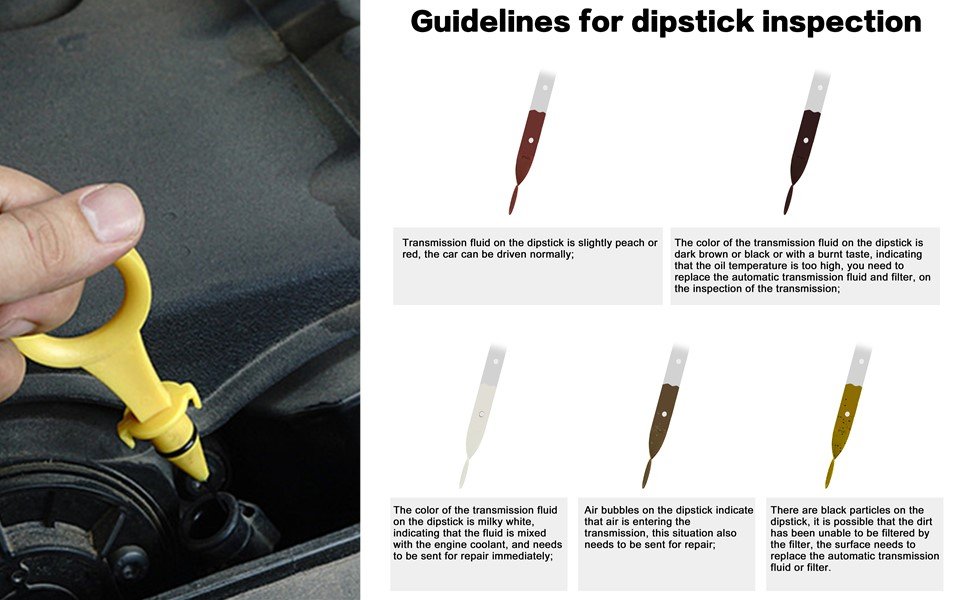
Healthy oil should be amber and clear. If it’s dark, gritty, or smells burnt, plan an oil change soon. Small particles can mean engine wear.
8. Add Oil If Needed
If the oil is low, use the correct type (see your owner’s manual). Pour slowly, checking the level after each small amount.
Tip: Never overfill. Too much oil can cause leaks or foam, harming your engine.
How Often Should You Check?
Jeep recommends checking oil at least once a month or before long trips. If you often drive in harsh conditions (towing, off-road, extreme heat), check more often.
Here’s a quick reference for check intervals:
| Driving Condition | Check Frequency |
|---|---|
| Normal driving | Once a month |
| Towing/off-road | Every 2 weeks |
| Long trips | Before and after trip |
Common Mistakes To Avoid
- Checking on a hot engine: Hot oil can give inaccurate readings and risk burns.
- Ignoring oil color: Even with the right level, dirty oil can harm your engine.
- Not cleaning the dipstick: Old oil can hide the real level.
- Forgetting to secure the hood: A loose hood is dangerous if you drive off.
Many beginners miss that oil level and oil condition are equally important. Don’t just glance at the level—look at the color and consistency each time.
What Type Of Oil Does A Jeep Grand Cherokee Use?
Most recent Grand Cherokees use 5W-20 or 0W-20 synthetic oil, but always check your manual for your engine’s specific recommendation.
Here’s a quick comparison for common engines:
| Engine Type | Recommended Oil |
|---|---|
| 3.6L V6 | 5W-20 Synthetic |
| 5.7L V8 | 0W-20 or 5W-20 Synthetic |
| 6.4L V8 (SRT) | 0W-40 Synthetic |
Using the wrong oil type can reduce fuel economy or even void your warranty. Always choose oil with the API certification mark.
When To See A Mechanic
If you notice:
- Milky oil: May signal coolant leak or head gasket issue.
- Rapid oil loss: Engine may have leaks or burning oil.
- Metal particles: Possible internal engine damage.
Don’t ignore these signs—get a professional opinion quickly. For more on oil care, check the official Jeep maintenance page.
Frequently Asked Questions
How Do I Know If My Oil Is Too Low?
If the dipstick shows oil below the MIN mark, your oil is too low. You may also see the oil light on your dashboard, but it’s best not to wait for this warning.
Can I Check Oil Right After Turning Off The Engine?
No. Wait at least 5-10 minutes after shutting off the engine. This allows oil to drain into the pan for an accurate reading.
What If My Oil Looks Dark But The Level Is Fine?
Dark oil can still lubricate but may be nearing the end of its life. If it’s thick, gritty, or smells burnt, schedule an oil change soon.
Do I Need To Use Synthetic Oil?
Most modern Grand Cherokees require synthetic oil for best performance and warranty coverage. Older models may accept conventional oil, but synthetic is usually better.
Can I Drive With The Oil Light On?
It’s risky. The oil light means low pressure, which can quickly damage your engine.
Stop and check your oil as soon as it’s safe.
Taking a few minutes to check your Jeep Grand Cherokee’s oil can save you from expensive repairs and keep your SUV running smoothly for years. With these simple steps, you gain confidence and control over your vehicle’s health.