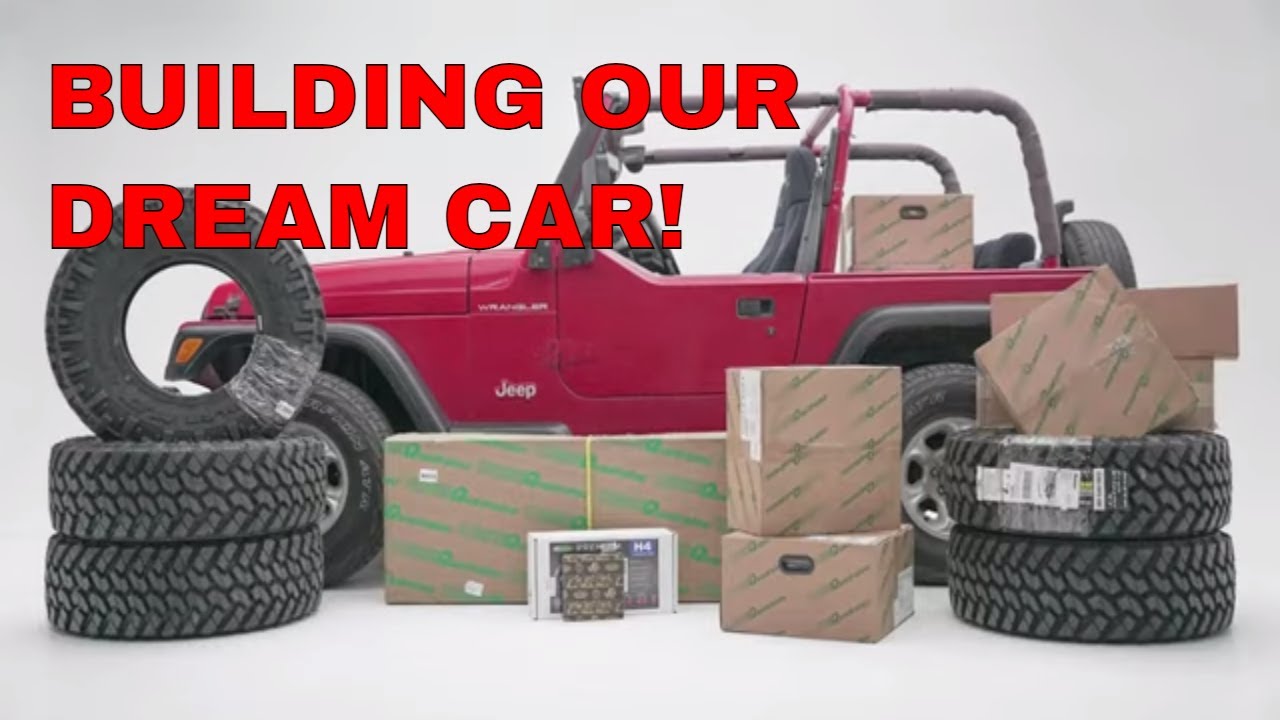
Building your own Jeep from scratch is a big adventure. It’s more than just putting parts together — it’s about creating something unique that fits your style and needs. Whether you want a rugged off-roader or a classic cruiser, starting from zero gives you full control.
But this project isn’t easy. It takes planning, patience, and some mechanical skill. If you love hands-on work and want a Jeep like no other, this guide will show you each step.
Planning Your Custom Jeep
Before buying any parts, think about what you want from your Jeep. Do you want a daily driver, a weekend off-road machine, or a showpiece? Your answer will affect your choices for the engine, suspension, and body. It’s also smart to set a budget. Building a Jeep from scratch can cost between $10,000 and $30,000 depending on parts and tools. Make a list of must-haves, like four-wheel drive or a soft top.
Pro tip: Visit local Jeep events or online forums to see what other builders have done. You might spot ideas or pitfalls to avoid.
Gathering Parts And Tools
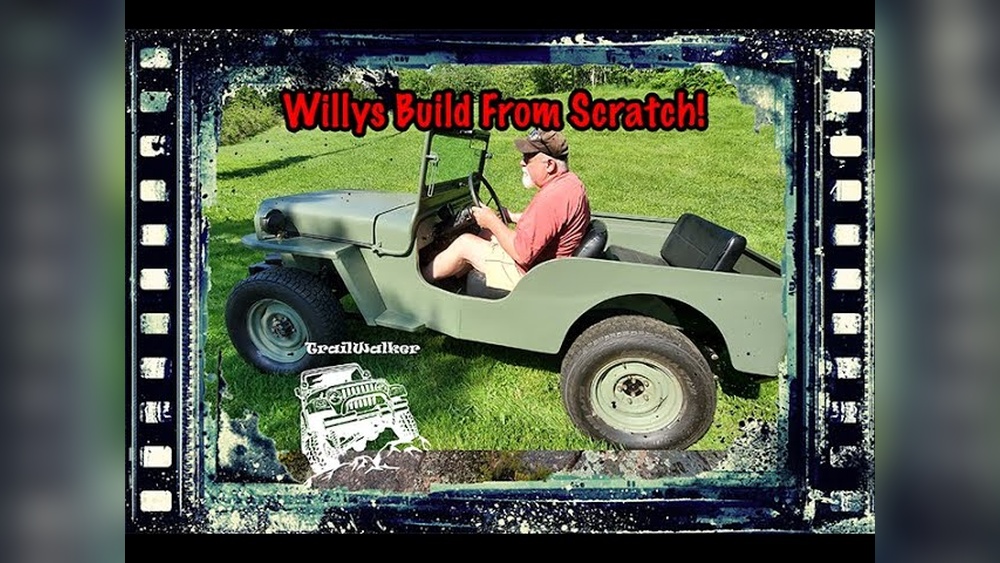
You’ll need a strong foundation. Most builders start with a frame from an older Jeep, like the CJ or Wrangler. The frame is the backbone — everything connects here. If you want to go even further, you can buy a new frame from aftermarket suppliers.
Here’s a short list of the main parts you’ll need:
- Frame
- Engine and transmission
- Axles and drive shafts
- Suspension system
- Body panels (tub, hood, fenders, doors)
- Wheels and tires
- Steering components
- Fuel system
- Brakes
- Electrical wiring
- Seats and interior parts
You’ll also need hand tools, a jack, power tools, and a safe place to work. Some jobs, like welding, need special skills and equipment.
Building The Chassis
The chassis includes the frame, suspension, axles, and wheels. Start by cleaning and inspecting your frame. Look for rust or cracks — these are safety issues. After repairs, paint the frame with rust-resistant coating.
Mount the axles (front and rear) onto the frame using the suspension system you chose. Leaf springs are simple and rugged, but coil springs give a smoother ride. Attach the wheels and tires next. This makes it easier to move the project around your workspace.
Example: Coil Spring Vs. Leaf Spring
| Feature | Coil Spring | Leaf Spring |
|---|---|---|
| Ride Comfort | Smoother | Rougher |
| Load Capacity | Lower | Higher |
| Off-Road Performance | Better Flex | Stiffer |
Installing The Drivetrain
The engine is the heart of your Jeep. Many builders use engines from Jeep, Chevy, or Ford, depending on power needs and budget. Attach the engine to the transmission and then mount both to the frame. Connect the driveshafts to the axles.
Manual and automatic transmissions both work. If you want more control off-road, manual is popular. Next, install the fuel system (tank, lines, pump) and the exhaust system.
Insight: Double-check engine mounts and driveshaft angles. Small mistakes here can cause vibration or even failure later.
Body And Interior Assembly
Now it’s time to make your Jeep look like a Jeep. Place the body tub onto the frame and bolt it down. Add the hood, fenders, and grille. Some builders use fiberglass panels to save weight, but steel is more original and durable.
Install doors, windshield, and any roof you want (hardtop or soft top). Inside, mount the seats, dashboard, and steering wheel. Run the electrical wiring for headlights, signals, and the ignition.
Non-obvious tip: Test all wiring before finishing the interior. Chasing electrical problems after assembly is much harder.
Suspension And Steering Setup
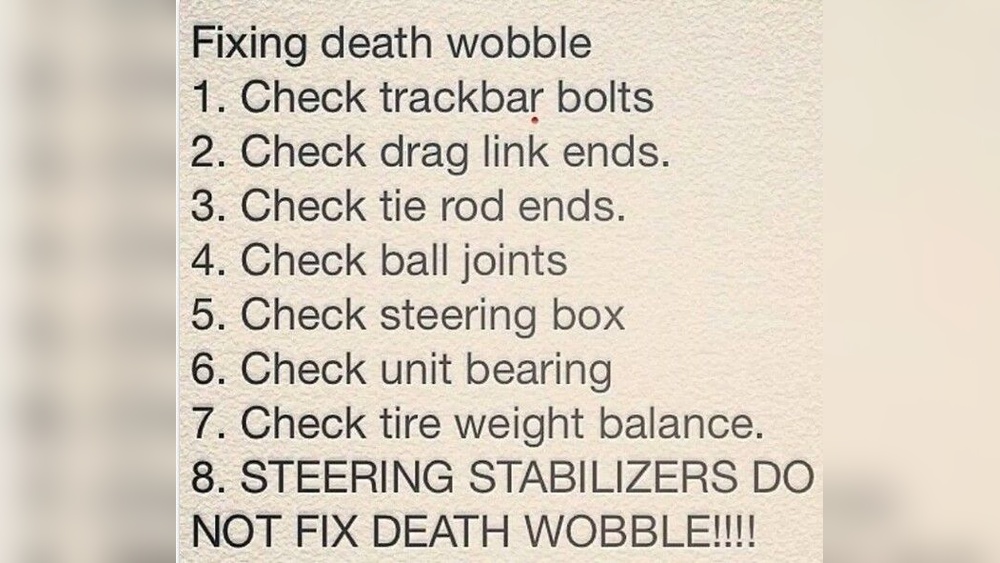
Suspension and steering make your Jeep safe and comfortable. Bolt in the shocks and springs. Adjust everything for proper height and alignment. Then connect the steering box, linkage, and tie rods to the front axle.
After assembly, check for smooth movement and no binding. Small alignment errors can make your Jeep pull to one side.
Example: Power Steering Vs. Manual Steering
| Feature | Power Steering | Manual Steering |
|---|---|---|
| Effort Needed | Low | High |
| Complexity | More parts | Simpler |
| Reliability | Modern, reliable | Fewer failure points |
Brakes And Safety Systems
Install brake lines, master cylinder, and calipers or drums. Disc brakes are better for stopping power, especially if you plan off-road adventures. Bleed the brake system to remove air, then test the pedal feel.
Add seat belts and, if possible, a roll bar or cage. Safety is important, especially for custom vehicles.
Pro insight: Use new brake parts for reliability. Reusing old lines or cylinders can be risky.
Final Assembly And Testing
Go over every bolt and connection. Fill fluids: oil, coolant, brake fluid, and transmission fluid. Check all lights and electrical systems. Start the engine and listen for strange noises. Take short test drives, checking brakes, steering, and shifting.
Register your Jeep with local authorities. Homemade vehicles often need inspection before getting plates. Each state has different laws, so check requirements early.
Example: Estimated Build Timeline
| Stage | Time Needed |
|---|---|
| Planning & Parts | 2-4 weeks |
| Chassis Build | 2-3 weeks |
| Drivetrain Install | 1-2 weeks |
| Body & Interior | 2-3 weeks |
| Testing & Tuning | 1-2 weeks |

Frequently Asked Questions
How Much Does It Cost To Build A Jeep From Scratch?
Most people spend $10,000 to $30,000. Prices depend on new vs. used parts, engine choice, and tools. Labor costs can add more if you hire help.
Is Building A Jeep From Scratch Legal?
Yes, but you must follow local vehicle laws. Most states require safety inspections before you can drive on public roads. Check your DMV’s kit car or homemade vehicle rules.
What Jeep Models Are Best For Scratch Builds?
Classic models like the CJ7 or Wrangler YJ are popular. Their frames are simple, and many parts are available. Modern Wranglers are harder due to more electronics.
Can A Beginner Build A Jeep?
With time, patience, and research, yes. Start with good manuals, online guides, or local car clubs. Some jobs (like welding) may need expert help.
Where Can I Find More Resources?
Check online forums, YouTube channels, and guides from sites like 4WD.com for detailed tutorials and community support.
Building a Jeep from scratch is a long journey, but the reward is huge. Each nut and bolt brings you closer to a one-of-a-kind vehicle. Take your time, ask questions, and always double-check your work. When you finish, you’ll have not just a Jeep, but a story worth telling on every trail.