Changing a Jeep tire may seem tough, especially if you are new to off-roading or car maintenance. But with the right steps, clear guidance, and a little confidence, you can handle this task safely.
Whether you’re on a trail or parked in your driveway, knowing how to change a Jeep tire is a skill every owner should have.
Let’s break down the process with practical tips, examples, and some insights that most beginners miss.

Preparing To Change A Jeep Tire
Before you begin, make sure you have the proper tools and a safe environment. Always check your Jeep’s manual for specific instructions or tire information.
Essential tools:
- Spare tire (proper size)
- Jack (rated for your vehicle weight)
- Lug wrench
- Wheel chocks
- Gloves
- Flashlight (for night or poor light)
Safety first: Park your Jeep on a flat, stable surface. Engage the parking brake and place wheel chocks behind the opposite wheels. If you’re on a trail or uneven ground, try to find the most level spot possible.
Step-by-step: How To Change A Jeep Tire
Follow these steps for a safe and efficient tire change:
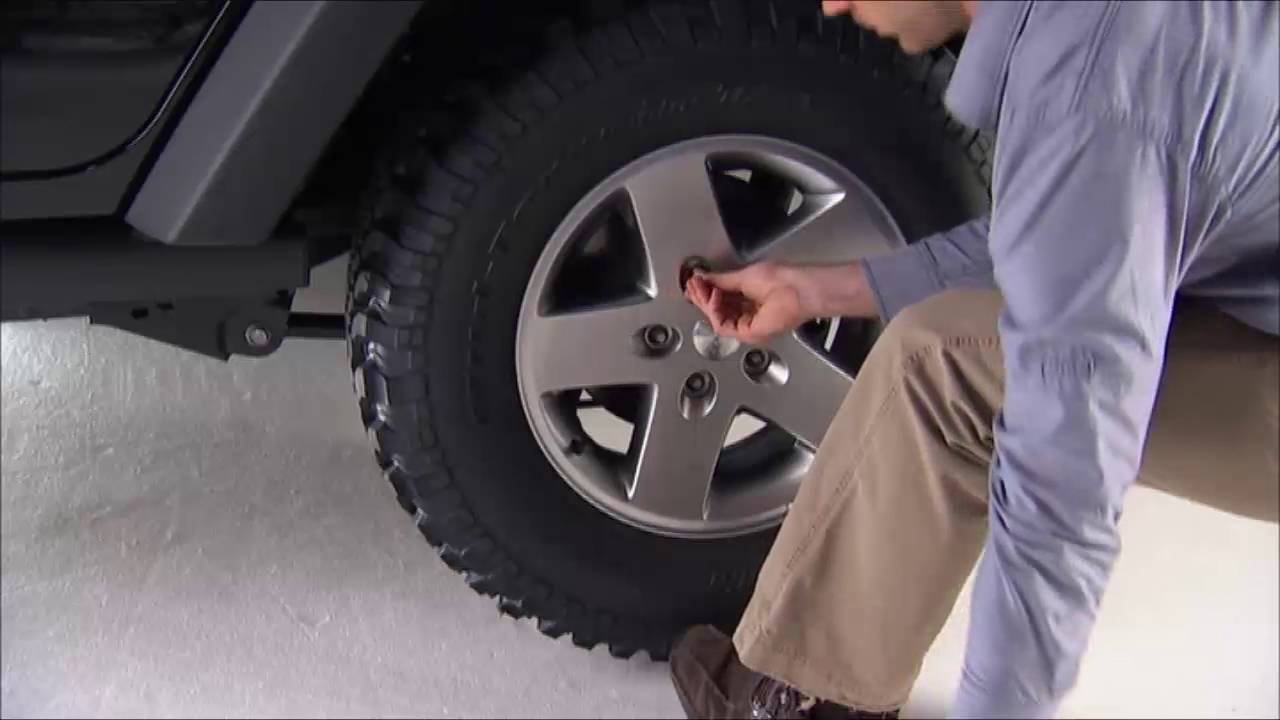
- Loosen lug nuts: Use the lug wrench to loosen the lug nuts on the flat tire. Do not remove them yet—just break them loose while the tire is still on the ground. This prevents the wheel from spinning.
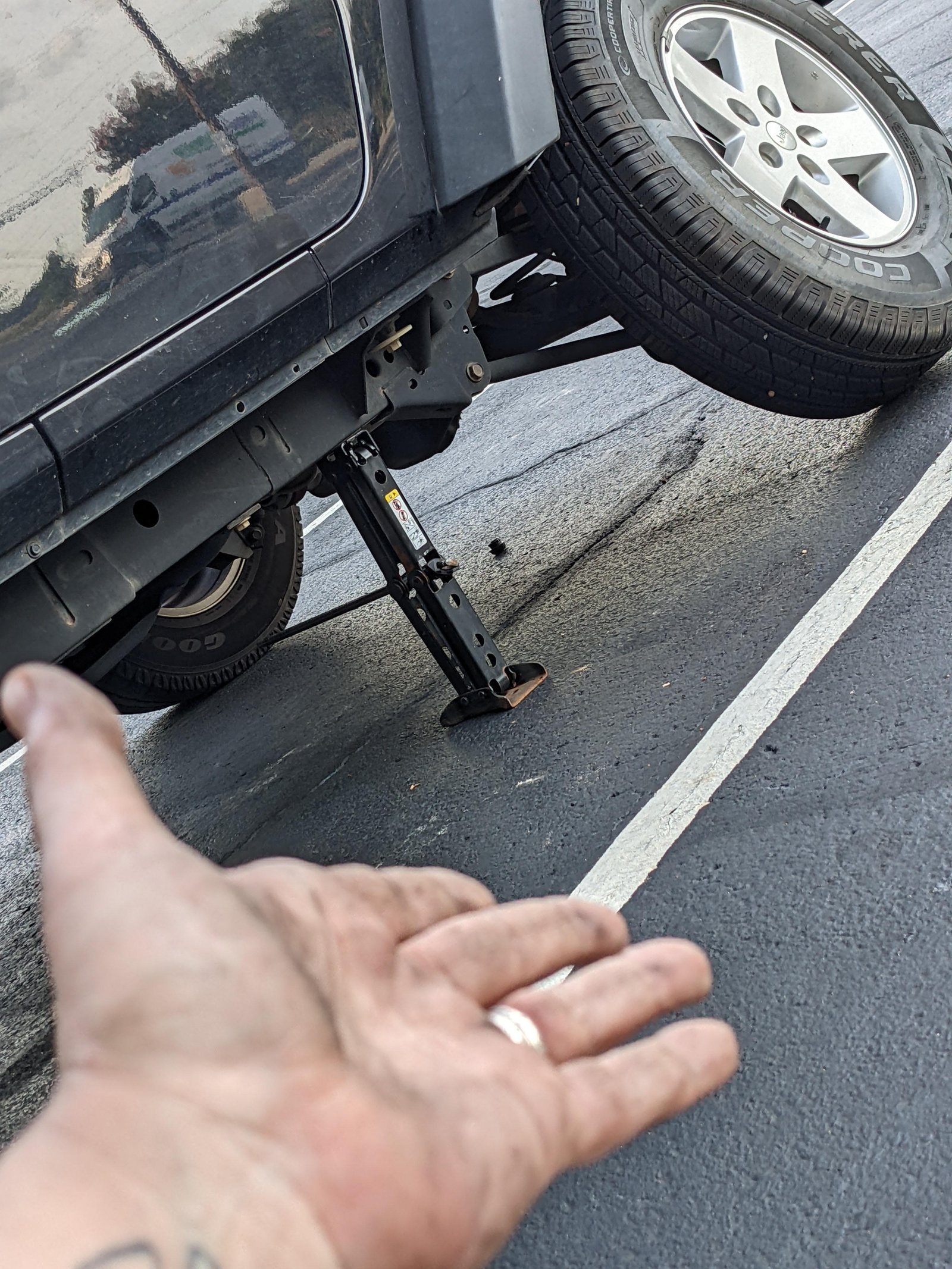
- Lift the Jeep: Position the jack beneath the frame near the tire you need to change. Make sure the jack is stable. Raise the Jeep until the tire is about 2 inches off the ground.
- Remove lug nuts and tire: Now, take off the lug nuts completely. Carefully pull the tire off the hub.
- Mount the spare tire: Align the holes of the spare with the bolts on the hub. Push the spare onto the hub.
- Tighten lug nuts: Put the lug nuts back on by hand. Lower the Jeep slowly until the tire touches the ground. Tighten the lug nuts in a star pattern with the wrench, ensuring even pressure.
- Lower the Jeep fully: Remove the jack and check that all lug nuts are secure.
- Clean up and check pressure: Put the tools away, and check the spare tire’s air pressure. If it’s low, drive slowly to the nearest service station.
Common Mistakes To Avoid
Many first-time Jeep owners make errors that can lead to damage or injury. Here are mistakes you should avoid:
- Using the wrong jack point: Always check your manual for the correct place to position the jack.
- Not loosening lug nuts before lifting: This can make removal difficult and unsafe.
- Over-tightening lug nuts: Use moderate force; over-tightening can strip threads.
- Ignoring tire pressure: A spare with low air can be dangerous.
Jeep Tire Sizes And Compatibility
Jeeps come in different models, each with its own tire size. Using the wrong spare can cause problems. Here’s a quick comparison of common Jeep tire sizes:
| Model | Standard Tire Size | Spare Compatibility |
|---|---|---|
| Wrangler | 255/75R17 | Full-size only |
| Cherokee | 225/65R17 | Full or temporary |
| Grand Cherokee | 265/60R18 | Full-size only |
Tip: Always match the spare to your Jeep’s specifications. Using a smaller or temporary spare is risky on rough terrain.
Jeep Tire Change Vs. Other Vehicles
Changing a Jeep tire is not the same as changing a tire on a sedan or compact car. Here are some key differences:
| Aspect | Jeep | Sedan |
|---|---|---|
| Jack Type | High-lift or bottle | Scissor |
| Weight | Heavier | Lighter |
| Tire Size | Larger | Smaller |
| Spare Location | Rear or under | Trunk |
Jeeps require stronger jacks and more force to loosen lug nuts. The spare tire is often mounted outside, making access easier but exposing it to the elements.
Practical Tips For Jeep Owners
- Check your tools regularly. Rusty or missing tools can cause delays.
- Practice at home. Try changing a tire before you need to do it in an emergency.
- Carry a tire repair kit. Sometimes you can fix small punctures without swapping the tire.
- Know your tire’s torque settings. Most Jeep lug nuts require about 100 ft-lbs of torque. Use a torque wrench for accuracy.
Non-obvious insight: Many Jeep drivers forget to check the spare’s age. Rubber breaks down over time, even if unused. Replace your spare every 6–8 years.
Another tip: After changing the tire, drive for 1–2 miles and re-check the lug nuts. Vibration can loosen them slightly.

When To Seek Professional Help
Sometimes changing a Jeep tire yourself is not safe. Here are situations where you should call for help:
- The Jeep is in a dangerous location (busy road, steep incline).
- The spare tire or tools are missing or damaged.
- You cannot loosen the lug nuts, even with proper force.
- You notice damage to the wheel hub or suspension.
Roadside assistance is often available through insurance or Jeep clubs.
Frequently Asked Questions
How Often Should I Check My Jeep’s Spare Tire?
Check the spare tire every month. Make sure it has the correct air pressure and is free from cracks or damage.
Can I Use A Temporary Spare On A Jeep?
A temporary spare (donut) is only safe for short drives on paved roads. Avoid using it for off-roading or long distances.
What Is The Safest Place To Position The Jack On A Jeep?
Place the jack under the frame near the wheel you are changing. Avoid suspension or body panels, which can be damaged.
How Tight Should I Make The Lug Nuts?
Lug nuts should be tightened to about 100 ft-lbs of torque. If you don’t have a torque wrench, use a firm, even force in a star pattern.
What If I Can’t Remove The Lug Nuts?
If lug nuts are stuck, try using a longer wrench for more leverage. If they still won’t budge, call for professional help to avoid injury.
Changing a Jeep tire is a skill that gets easier with practice. With the right tools and careful steps, you can handle this task confidently whether you’re on the trail or the highway.
Always keep your tools and spares in good shape, and remember, preparation is the key to safe, stress-free tire changes.