Changing the oil in your Jeep is one of the best ways to keep your engine running smoothly and extend its life. Many Jeep owners are surprised at how easy and satisfying this task can be.
You don’t need to be a mechanic to do it yourself you just need the right tools, the proper oil, and a clear step-by-step process.
This guide will walk you through everything you need to know, including common mistakes and tips that even many beginners overlook.

Choosing The Right Oil And Tools
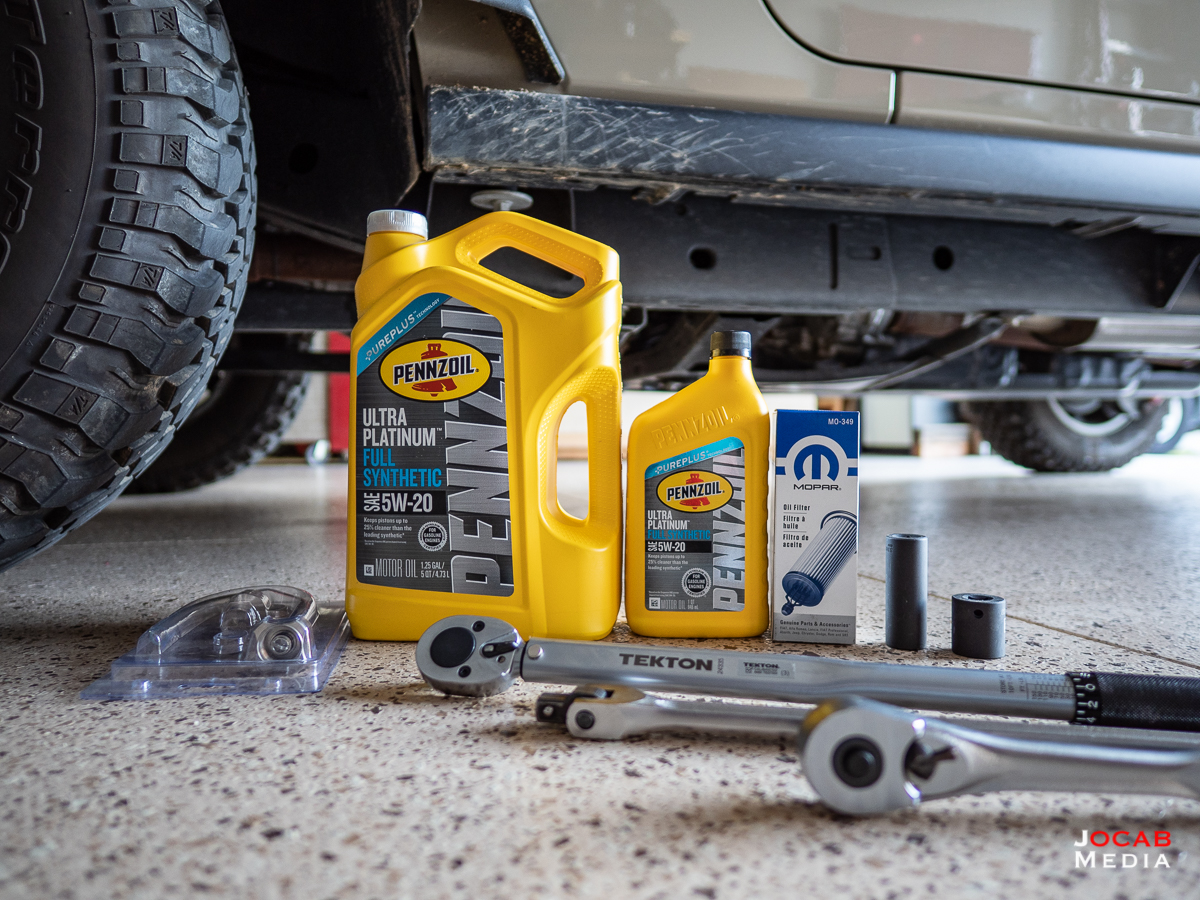
Before you start, you need to pick the correct oil and filter for your Jeep model. Most modern Jeeps use 5W-20 or 5W-30 oil, but always check your owner’s manual for the exact type and capacity. Using the wrong oil can lower performance and even damage your engine.
Here’s a quick comparison of oil types for popular Jeep models:
| Jeep Model | Recommended Oil | Capacity (quarts) |
|---|---|---|
| Wrangler (3.6L) | 5W-20 | 5 |
| Grand Cherokee (5.7L) | 5W-30 | 7 |
| Compass (2.4L) | 0W-20 | 5 |
You’ll also need:
- Oil filter (specific to your engine)
- Wrench (socket or box)
- Oil drain pan
- Funnel
- Gloves
- Rags
Many beginners forget the oil filter wrench, which makes removing the old filter much easier. Don’t skip this tool.
Step-by-step Oil Change Process
Changing Jeep oil is simple if you follow these steps. Plan about 30 45 minutes, depending on your experience.
1. Warm Up The Engine
Start your Jeep and let it run for 5 minutes. Warm oil drains faster and carries away more dirt.
Never try to change oil while the engine is cold.
2. Secure The Vehicle
Park on a flat surface and turn off the engine. Use wheel chocks for safety. Some Jeeps sit high enough for easy access; if not, use jack stands to lift your vehicle.
3. Drain The Old Oil
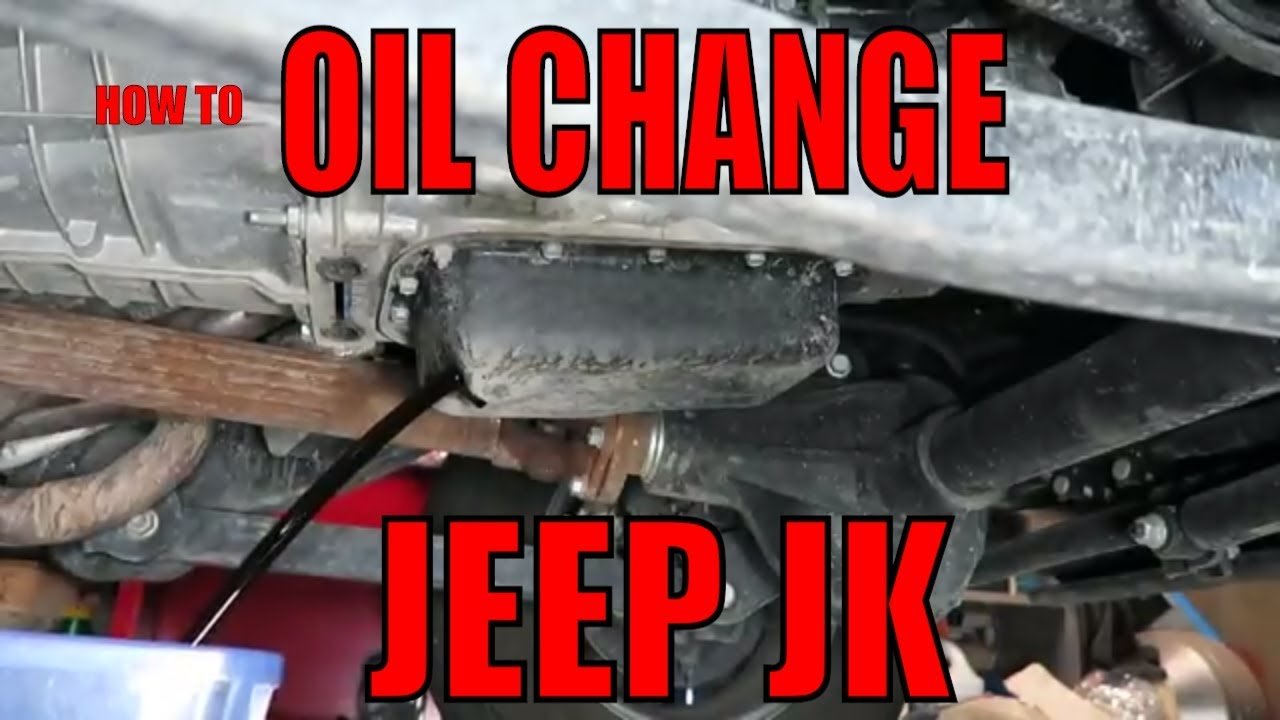
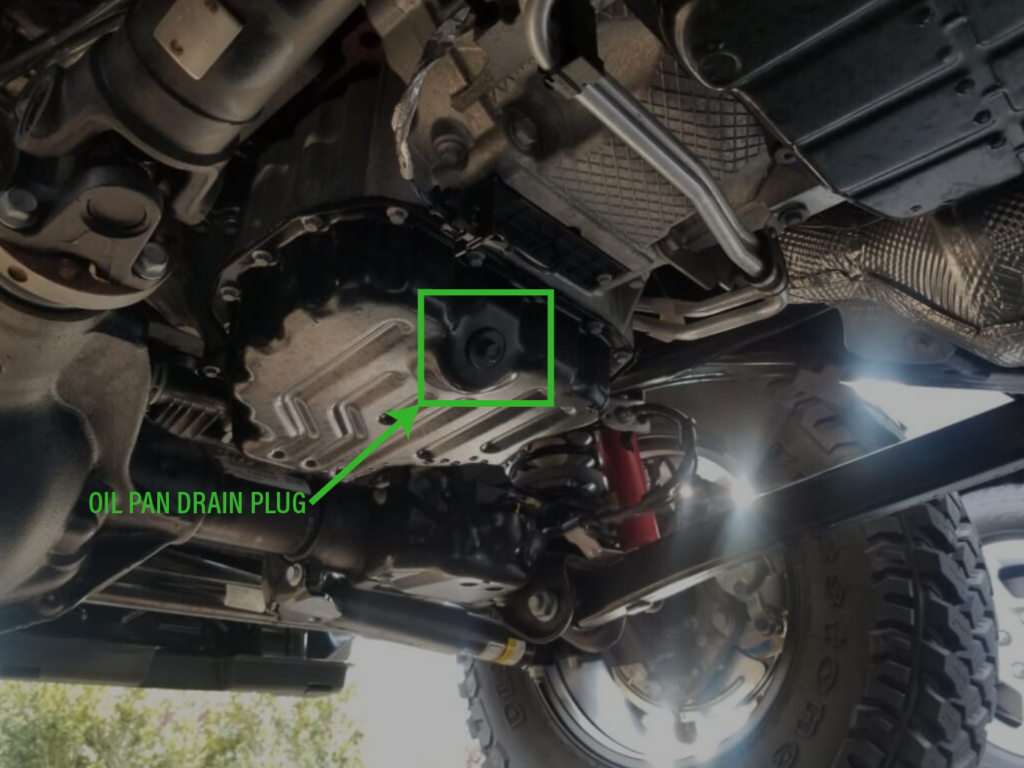
Put the oil drain pan under the oil pan’s drain plug. Using your wrench, slowly loosen the plug and let the oil flow out.
Wait until the oil slows to a drip this usually takes 5 10 minutes.
4. Remove And Replace The Oil Filter
Move the drain pan under the filter location. With the oil filter wrench, twist off the old filter.
Before installing the new filter, rub a little fresh oil on its gasket for a tight seal. Screw it on by hand don’t overtighten.
5. Add New Oil
Replace the drain plug and tighten it securely. Open the hood, remove the oil cap, and pour in the recommended amount and type of oil using a funnel.
6. Check The Oil Level
Start your Jeep for a minute, then turn off and wait a minute. Pull out the dipstick, wipe it clean, reinsert, and check the oil level.
It should be between the low and high marks.
7. Clean Up And Recycle
Wipe up any spills and dispose of old oil and filter at a proper recycling center. Never dump oil in the trash or drain.
Common Mistakes To Avoid
Many first-timers miss small details that can cause problems later. Here are two non-obvious mistakes:
- Forgetting to replace the oil drain plug washer: If your Jeep uses a washer, always install a new one. Old washers can cause leaks.
- Adding too much oil: Overfilling can damage your engine. Always pour slowly and check the dipstick often.
Some people also forget to check for leaks after finishing. Run the engine and inspect the oil pan and filter for drips.
Jeep Oil Change Cost Comparison
If you’re deciding between DIY and professional service, here’s a simple comparison:
| Service Type | Average Cost | Time Needed |
|---|---|---|
| DIY Oil Change | $30–$60 | 30–45 min |
| Professional Shop | $60–$120 | 20–30 min |
Doing it yourself saves money, but a shop may finish faster and check other fluids.
How Often Should You Change Jeep Oil?
The best oil change interval depends on your Jeep’s model, driving style, and oil type. Most experts recommend every 5,000–7,500 miles for modern Jeeps using synthetic oil. For older models or those using conventional oil, stick to 3,000–5,000 miles.
Here’s a quick interval comparison:
| Oil Type | Mileage Interval | Typical Jeep Model |
|---|---|---|
| Synthetic | 5,000–7,500 | Wrangler, Grand Cherokee |
| Conventional | 3,000–5,000 | Older Cherokee |
If you drive in dusty conditions or tow heavy loads, change oil more often.
Practical Tips For A Cleaner Oil Change
A few simple tricks can help you avoid mess and make your oil change smoother:
- Place cardboard under your Jeep to catch spills.
- Wear nitrile gloves to protect your hands.
- Always double-check your filter and plug are tight before adding oil.
One advanced tip: Mark the oil filter with the date and mileage when you install it. This helps track your next change, especially if you drive off-road.
Frequently Asked Questions
How Do I Know Which Oil Filter Fits My Jeep?
Check your owner’s manual or use an online parts lookup. Many auto stores can match filters by your Jeep’s VIN.
Can I Use Synthetic Oil In Any Jeep?
Most modern Jeeps are safe with synthetic oil, but older engines may need conventional. Always check your manual or ask a trusted mechanic.
What Should I Do With Used Oil?
Take used oil and filters to a recycling center or auto parts store. Never dump oil in the environment it’s illegal and harmful.
Is It Safe To Change Oil If My Jeep Is Still Hot?
Let the engine cool for a few minutes after warming up. Hot oil can cause burns, so handle with care.
Where Can I Find Official Jeep Maintenance Advice?
Visit the official Jeep website for maintenance schedules and technical guides: Jeep Maintenance Source.
Changing your Jeep’s oil is a simple job that saves money and builds confidence. By following these steps, choosing the right supplies, and avoiding common mistakes, you’ll keep your Jeep running strong for years.
Remember, a clean oil change is about planning and patience never rush, and always double-check your work.