Changing brakes on a Jeep Wrangler is a practical skill that saves money and keeps your vehicle safe. Many owners do this themselves because it’s not as hard as it seems. This guide explains every step clearly, so even beginners can follow. You’ll learn what tools to use, how to avoid common mistakes, and ways to check your work. By the end, you’ll feel confident to handle brake changes on your own.
Tools And Parts You’ll Need
Before starting, gather these items:
- Socket wrench set (mainly 13mm, 15mm)
- Brake pads (specific to your Wrangler model)
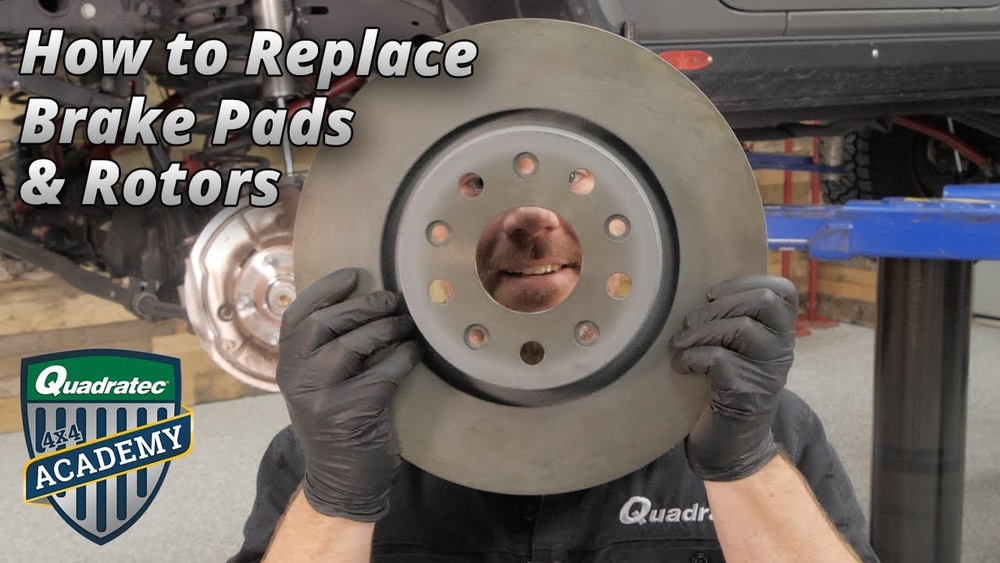
- Brake rotors (if you’re replacing them)
- Brake cleaner
- Jack and jack stands
- C-clamp or brake caliper tool
- Flathead screwdriver
- Lug wrench
- Gloves and eye protection
Most Jeep Wranglers use disc brakes on all wheels, but check your model year. Newer models like the Wrangler JL (2018 and up) have slightly different pad shapes.
| Model Year | Brake Pad Type | Rotor Size (Front) | Rotor Size (Rear) |
|---|---|---|---|
| 2012-2017 JK | Standard Disc | 11.9 inches | 12.4 inches |
| 2018+ JL | Premium Disc | 12.9 inches | 13.4 inches |
Step-by-step Brake Change Process
Changing brakes on your Jeep Wrangler usually takes about 90 minutes for all four wheels. Here’s how you do it:
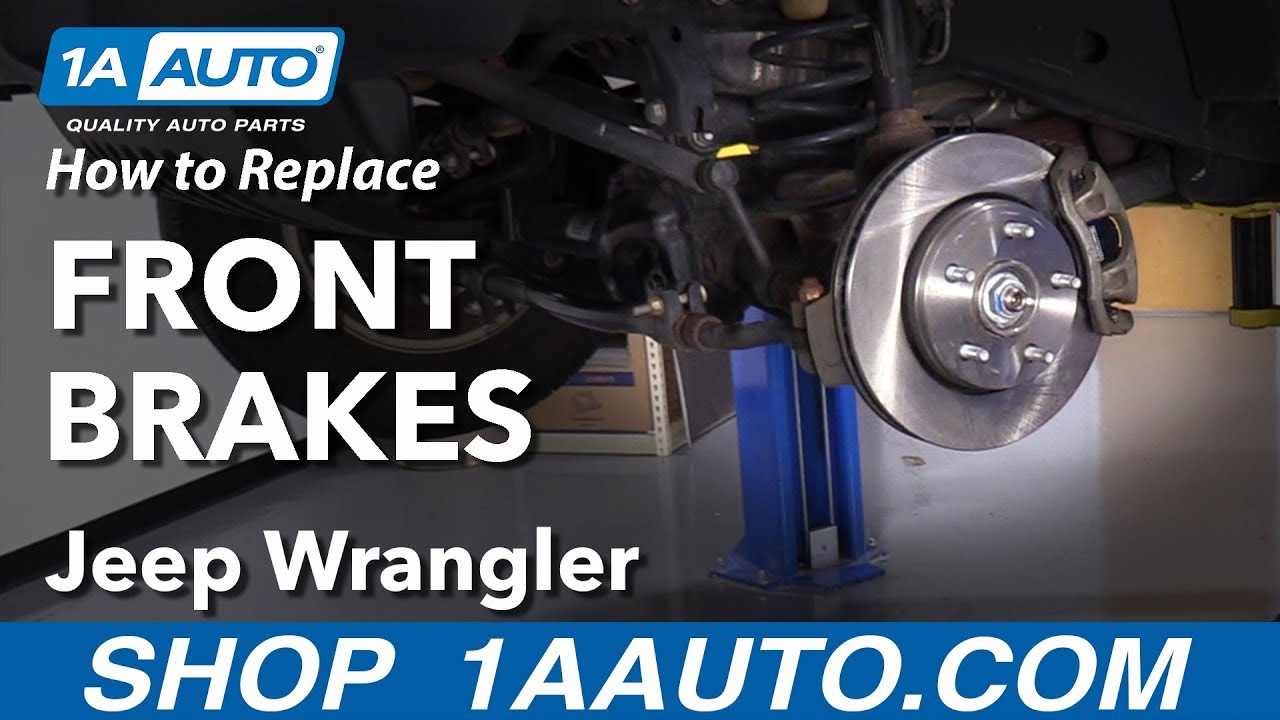
1. Lift Your Jeep Safely
Use your jack to lift the Jeep. Place jack stands under the frame for stability. Make sure the vehicle is secure before removing wheels.
2. Remove Wheels
Loosen lug nuts with a lug wrench. Take the wheels off and set them aside.
3. Remove Brake Caliper
Find the caliper bolts (usually two per wheel). Use a socket wrench to remove them. Slide the caliper off the rotor. Hang it with zip ties or a bungee cord to avoid stretching the brake hose.
4. Take Out Old Pads
The brake pads sit inside the caliper bracket. Pull them out gently. Sometimes, a flathead screwdriver helps pry them loose.
5. Replace Brake Rotor (optional)
If your rotors are worn or uneven, remove them now. Rotors slide off the wheel hub after you take off the caliper bracket. Clean the new rotor with brake cleaner before installation.
6. Install New Pads
Put the new pads into the caliper bracket. Make sure the friction surface faces the rotor.
7. Compress Caliper Piston
Use a C-clamp or brake caliper tool to push the piston back into the caliper. This makes room for the thicker new pads.
8. Reinstall Caliper
Slide the caliper back over the pads and rotor. Tighten caliper bolts to the correct torque (usually 35-45 ft-lbs).
9. Repeat For All Wheels
Do the same steps for each wheel. Front brakes usually wear faster, so check both sides closely.
10. Reattach Wheels And Lower Vehicle
Put wheels back, tighten lug nuts, and lower your Jeep. Torque lug nuts to factory specs (about 100 ft-lbs).
Brake Pad Wear Comparison
To decide when to change pads, check thickness:
| Pad Thickness | Recommendation |
|---|---|
| New: 12mm | Safe to use |
| Below 4mm | Replace soon |
| Below 2mm | Replace immediately |
Practical Tips For A Smooth Brake Change
- Always work on one wheel at a time. Use the finished side as a reference.
- Clean hands and tools often; brake dust is harmful.
- Double-check all bolts for tightness. Loose calipers can cause vibration and noise.
- If you replace rotors, clean them before installing. Dirt and oil can damage new pads.
- After finishing, pump the brake pedal before driving. This seats the pads and prevents soft brakes.
One insight most beginners miss: caliper pistons can seize if not pressed back slowly and evenly. If you rush, you risk damaging seals. Also, always check the brake fluid level after compressing pistons. It might rise and overflow, so prepare by removing a bit if needed.
Common Mistakes To Avoid
- Not using jack stands: Never rely only on the jack. Stands prevent accidents.
- Mixing up pads: Some pads are marked “inside” and “outside.” Install correctly for best performance.
- Skipping rotor cleaning: New rotors have protective oil. Clean them with brake cleaner to avoid squeaking.
- Forgetting torque specs: Over-tightening bolts can strip threads. Use a torque wrench.
- Ignoring brake fluid: Low fluid leads to soft brakes. Check and top up as needed.
Most Jeep owners overlook the importance of breaking in new pads. Drive gently for the first 100 miles to allow pads and rotors to mate smoothly.
When Should You Change Brakes?
Look for these signs:
- Squeaking or grinding noises
- Vibration during braking
- Longer stopping distance
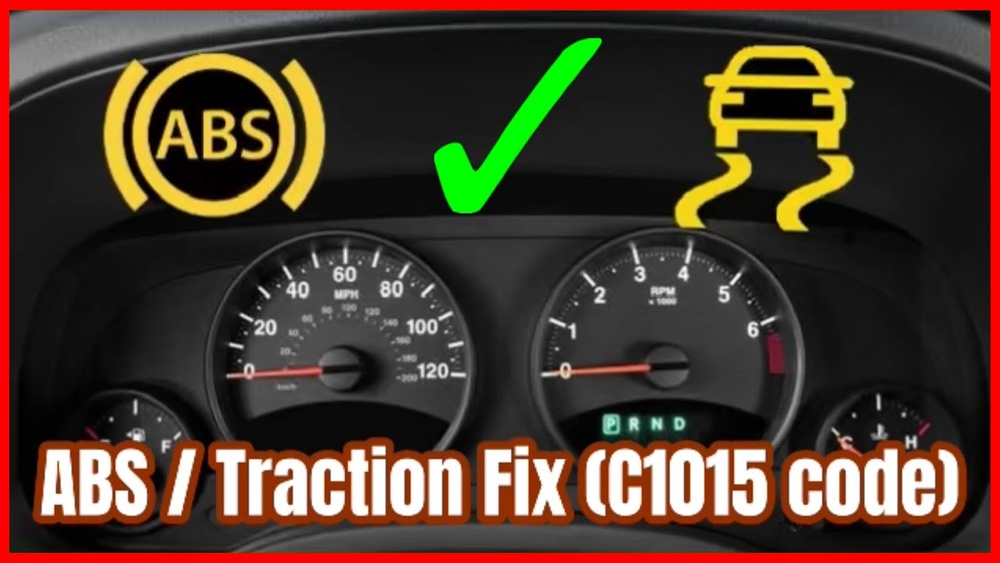
- Brake warning light
On average, Jeep Wrangler brake pads last 30,000–40,000 miles, but off-road driving or towing reduces this lifespan.
Jeep Wrangler Brake Change Cost Comparison
| Method | Cost (Front Pads & Rotors) | Time Required |
|---|---|---|
| DIY | $150–$300 | 1.5–2 hours |
| Mechanic | $400–$600 | 1–2 hours |
Doing it yourself saves money but requires attention to detail. If you’re unsure, ask a friend with experience or check resources like Jeep Official Site.
Frequently Asked Questions
How Often Should I Change Jeep Wrangler Brakes?
Most drivers change pads every 30,000–40,000 miles. If you drive off-road or tow, check them every 20,000 miles.
Can I Change Brakes Without Special Tools?
You need basic tools like a socket wrench, C-clamp, and lug wrench. Advanced tools help, but aren’t required for most models.
Do I Need To Bleed The Brakes After Changing Pads?
If you don’t open the brake lines, bleeding isn’t needed. If brake fluid leaks or lines open, bleed to remove air.
What Are The Signs Of Bad Rotors?
Look for deep grooves, blue spots, or vibration while braking. Replace rotors if they’re damaged or uneven.
Are Ceramic Or Semi-metallic Pads Better For Jeep Wrangler?
Ceramic pads last longer and make less dust. Semi-metallic pads perform better for heavy use or off-roading. Choose based on your driving style.
Changing brakes on a Jeep Wrangler is simple if you follow clear steps and use the right tools. Take your time, check your work, and you’ll enjoy safer driving and save money. The sense of accomplishment is worth it, and your Jeep will thank you with smooth, reliable stops.