Changing the ABS sensor on your Jeep Wrangler can solve problems like the ABS warning light staying on or erratic braking behavior.
Many Jeep owners want to handle this repair at home, but worry about the process. The good news is, with some basic tools and a careful approach, you can replace a faulty ABS sensor yourself and save money on labor costs.
This guide will walk you through the steps, highlight important tips, and help you avoid common mistakes.

What is an ABS sensor, and why replace it?
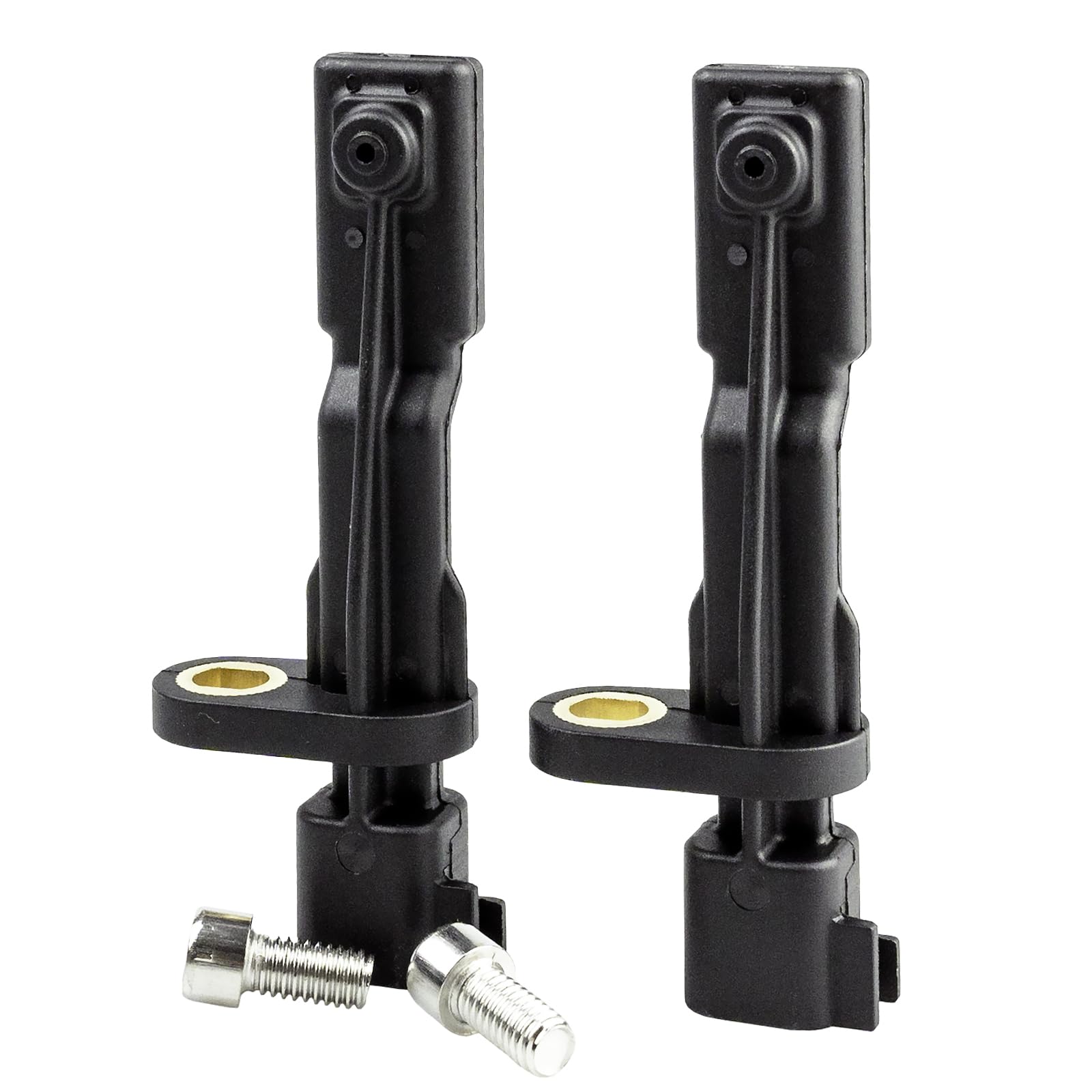
The ABS sensor (Anti-lock Braking System sensor) monitors the speed of your wheels. It helps your Jeep’s computer detect if a wheel is locking up during braking. If the sensor fails, your ABS system may not work correctly, and you’ll likely see a warning light.
A faulty ABS sensor can cause:
- Reduced braking stability
- Longer stopping distances
- Loss of traction control
Most Jeep Wranglers, especially models from 2007 onward, use wheel speed sensors at each wheel. Replacing a bad sensor restores safety features and can pass vehicle inspections.
Symptoms Of A Bad ABS Sensor
You may need to replace your ABS sensor if you notice:
- ABS warning light stays on
- The traction control light appears
- Brakes feel different or less responsive
- Unusual noises during braking
Other causes, like damaged wiring or a faulty ABS module, can show similar symptoms. Diagnosing with a scan tool will confirm that the sensor is the problem.
Tools And Parts Needed
Before you start, gather these items:
- Replacement ABS sensor (make sure it fits your Wrangler’s year and model)
- Jack and Jack stand
- Lug wrench
- Socket set (usually 10mm or 13mm)
- Torx bit set (if needed)
- Flat screwdriver or trim tool
- Clean rag
- Dielectric grease (optional)
- Torque wrench
Pro tip: Buy an OEM or high-quality aftermarket sensor. Cheap sensors often fail quickly or give incorrect readings.
How To Change the ABS Sensor on a Jeep Wrangler
Follow these steps for most Jeep Wrangler models (JK, JL, etc. ). Always check your vehicle’s manual for exact details.
1. Park And Prepare
- Park your Jeep on level ground.
- Turn off the ignition and set the parking brake.
- Loosen lug nuts on the wheel where the sensor will be replaced.
2. Lift The Vehicle
- Use a jack to lift the Jeep and secure it with jack stands.
- Remove the wheel for easy access to the sensor.
3. Locate the ABS Sensor
- The sensor is near the brake rotor, attached to the wheel hub.
- Trace the wire from the sensor to where it connects to the vehicle’s wiring harness.
4. Remove The Old Sensor
- Unplug the electrical connector.
- Remove any bolts holding the sensor in place (usually one bolt).
- Gently wiggle and pull the sensor out. If it’s stuck, spray with penetrating oil and wait a few minutes.
- Clean the sensor mounting hole with a rag.
5. Install The New Sensor
- Apply a small amount of dielectric grease to the sensor’s electrical connector (optional, but it helps prevent corrosion).
- Insert the new sensor into the hub.
- Reinstall and tighten the mounting bolt (do not overtighten).
- Connect the wiring harness.
6. Reassemble
- Reinstall the wheel and tighten lug nuts.
- Lower your Jeep to the ground.
- Torque the lug nuts to factory specs.
7. Reset the ABS Light
- Start your Jeep and drive slowly in a safe area.
- The ABS light should turn off after a short distance if the repair was successful.
- If it stays on, check the wiring and connections, or scan for error codes.

Comparison: Front Vs Rear ABS Sensor Replacement
Here’s a look at the main differences when replacing front and rear sensors:
| Aspect | Front ABS Sensor | Rear ABS Sensor |
|---|---|---|
| Location | Steering knuckle/hub | Axle shaft or hub |
| Ease of Access | Usually easier (wheel well) | May require removing brake drum/rotor |
| Common Tools | Socket/torx set | Socket/torx set, sometimes a puller |
Common Mistakes To Avoid
Many DIYers make errors that lead to repeated repairs. Watch out for these:
- Forcing out a stuck sensor: This can break the sensor and leave pieces inside the hub. Use penetrating oil and patience.
- Skipping cleaning: Dirt and debris in the mounting hole can damage the new sensor.
- Mixing up connectors: If replacing more than one sensor, change them one at a time to avoid confusion.

Costs: Diy Vs. Professional Replacement
Wondering how much you’ll save by doing it yourself? Here’s a quick comparison:
| Method | Parts Cost | Labor Cost | Total |
|---|---|---|---|
| DIY | $25-$60 per sensor | $0 | $25-$60 |
| Professional Shop | $25-$60 per sensor | $100-$200 | $125-$260 |
Replacing your own sensor can save more than $150, especially if you already have the tools.
Extra Tips For A Smooth Repair
- Take a picture of the sensor’s wiring before removal. It helps with reinstallation.
- If you’re replacing multiple sensors, do them one at a time.
- Always test drive after the repair to confirm the ABS light stays off and braking feels normal.
- If the ABS light does not reset, check for other issues like a damaged tone ring or wiring.
For more technical details about Jeep’s ABS system, see this Anti-lock braking system overview.
Frequently Asked Questions
How Long Does It Take To Change an ABS Sensor On A Jeep Wrangler?
Most people can replace one sensor in 30 to 60 minutes. First-time DIYers might take a bit longer, especially if the sensor is rusted in place.
Do I Need To Reset the ABS System After Replacing The Sensor?
Usually, the ABS light will turn off automatically after driving a short distance. If not, you may need to clear the code with a scan tool.
Can I Drive My Jeep Wrangler With A Bad ABS Sensor?
You can drive, but your ABS and traction control will not work properly. This means reduced safety, especially in wet or slippery conditions.
Are ABS Sensors The Same For All Jeep Wrangler Models?
No, sensor types and connectors can vary by year and trim. Always buy a sensor that matches your Wrangler’s exact model and year.
What If The Abs Light Stays On After Sensor Replacement?
Double-check your installation, wiring, and sensor connector. If the light stays on, scan for error codes—there may be another problem, such as a damaged tone ring or wiring fault.
Changing the ABS sensor on your Jeep Wrangler is a practical job with big safety benefits. With the right tools and careful steps, you can restore your Jeep’s braking system and enjoy safer driving.