Burping a radiator may sound odd, but it’s an essential step for keeping your Jeep Wrangler’s cooling system healthy. Air trapped inside the radiator can cause overheating, poor heater performance, and even engine damage.
Many Wrangler owners forget this step after a coolant change or repair.
Learning how to burp your Jeep’s radiator not only keeps temperatures stable but also helps prevent costly breakdowns on the trail or highway.
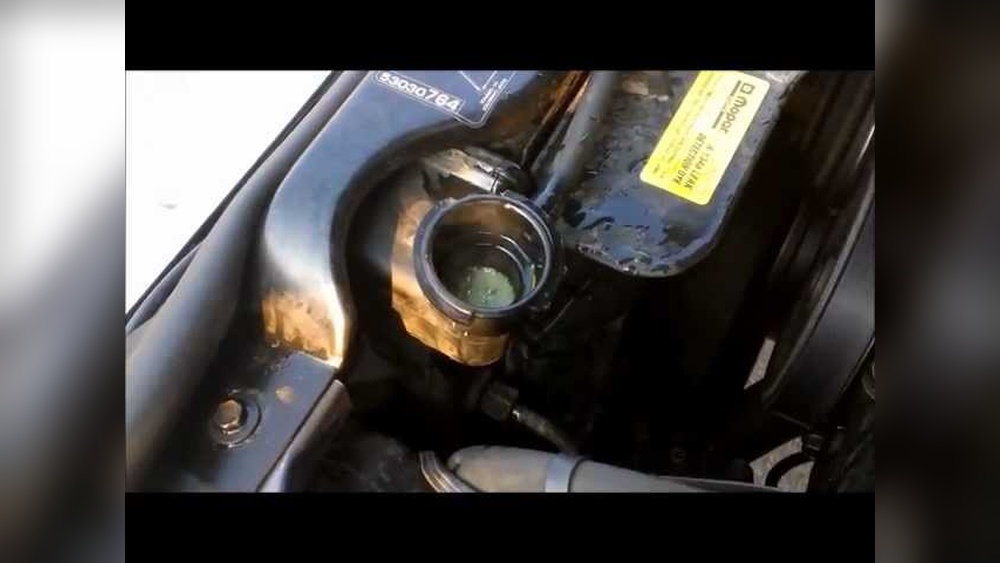
Why Burping The Radiator Matters
The cooling system in your Jeep Wrangler works best when it’s full of coolant and free of air bubbles. Air pockets can block coolant flow, which leads to hot spots in the engine. These spots can cause overheating or even crack your cylinder head.
After any coolant flush, hose replacement, or radiator repair, air can enter the system. Even a small amount of trapped air will reduce the system’s efficiency.
Burping removes this air and restores smooth coolant flow.
Signs Your Jeep Wrangler Needs Burping
You don’t always need to burp the radiator, but certain signs suggest trapped air:
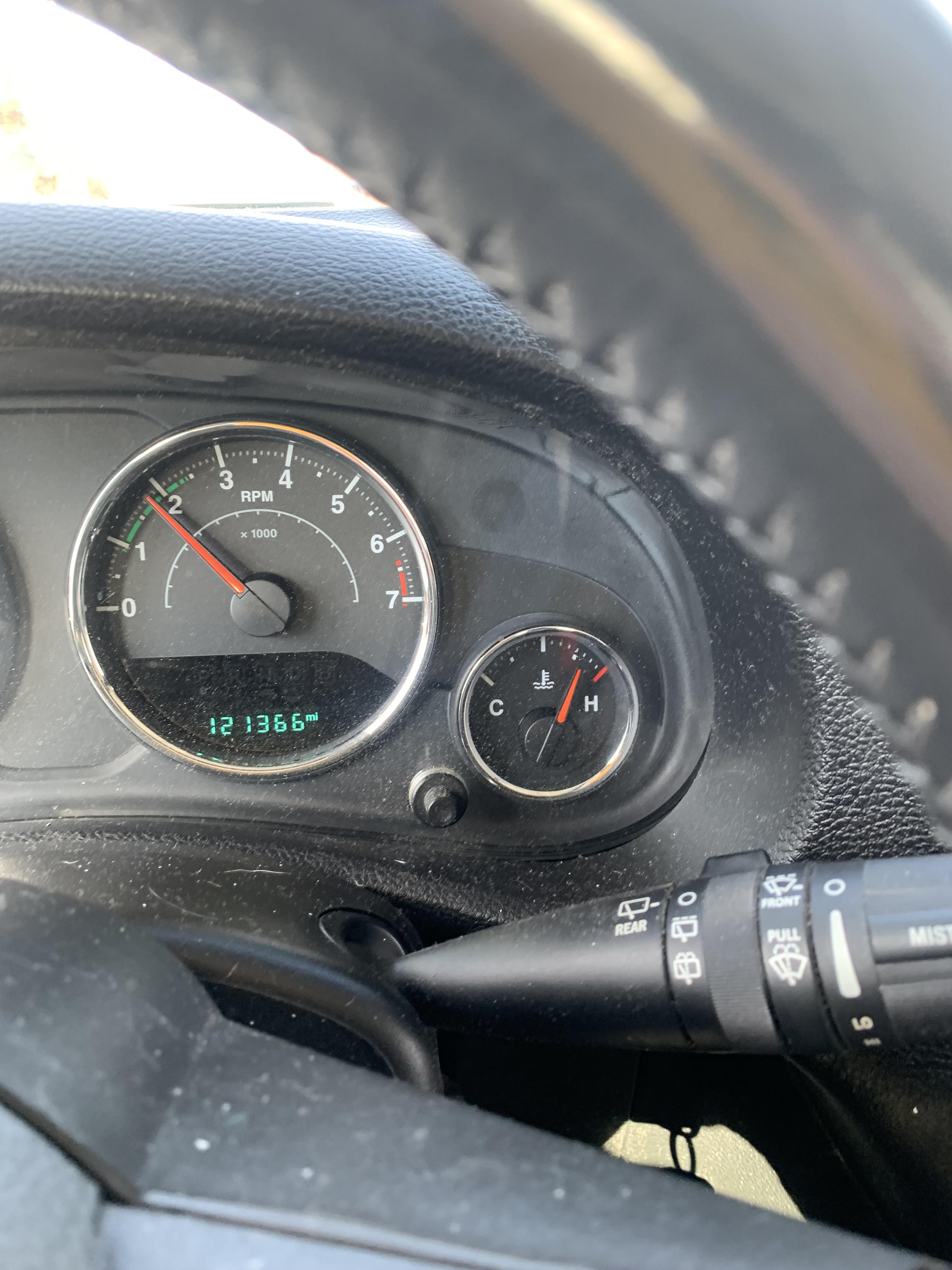
- Engine temperature fluctuates or runs hotter than usual.
- The heater blows cold air even when the engine is warm.
- You hear gurgling or bubbling sounds from the radiator or heater core.
- Coolant level drops suddenly without visible leaks.
If you notice any of these, burping your radiator should be your next step.
Tools And Supplies You’ll Need
Before starting, gather these basic items:
- Coolant (type and amount recommended in your Jeep’s manual)
- Funnel (preferably with a radiator adapter)
- Gloves and safety glasses
- Shop rags or towels
- Drain pan (in case of spills)
- Socket wrench (if you need to remove any engine covers)
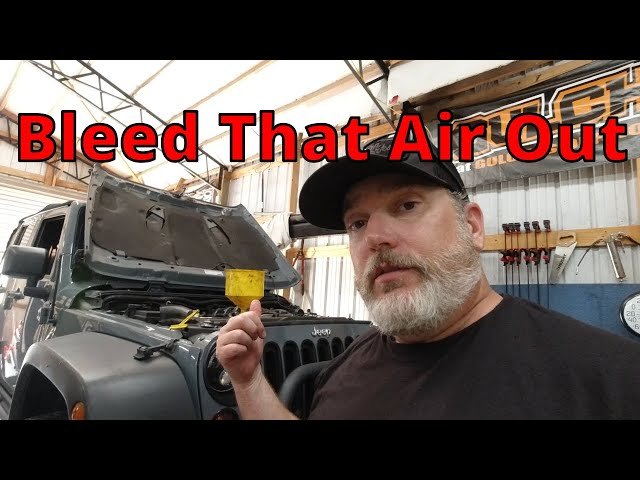
Some Jeep models also benefit from a special spill-free funnel kit. This allows you to fill the radiator while air escapes, making the process easier and cleaner.
Step-by-step Guide: How To Burp A Jeep Wrangler Radiator
Follow these steps for best results. Always work with a cool engine to avoid burns.
1. Park Safely And Let The Engine Cool
Never open the radiator cap on a hot engine. Hot coolant can spray out and cause severe burns.
Park on a level surface and wait until the engine is cool to the touch.
2. Remove The Radiator Cap
Put on your gloves and twist the cap off slowly. If you hear hissing, wait until all pressure is released before removing completely.
3. Top Off The Radiator
Insert your funnel into the radiator opening. Pour coolant in until it reaches the top.
Use the recommended type (usually HOAT or OAT for newer Wranglers).
4. Fill The Overflow Reservoir
Add coolant to the overflow tank up to the “Full” or “Max” line. This helps the system pull in coolant as air escapes.
5. Start The Engine
Turn on the engine and set the heater to maximum hot with the blower on high. This opens the heater core, allowing trapped air to move out.
6. Watch For Air Bubbles
Let the engine idle. As it warms up, watch the radiator opening (or funnel).
Bubbles will rise and pop out as air escapes. Add coolant as needed to keep the level high.
7. Squeeze The Upper Radiator Hose
Carefully squeeze the upper radiator hose a few times. This can push trapped air toward the radiator opening.
8. Wait For The Thermostat To Open
After 5 10 minutes, the engine will reach operating temperature and the thermostat will open. You may see a sudden drop in coolant level as flow increases. Add more coolant if needed.
9. Check For Steady Flow And No More Bubbles
After the bubbles stop and coolant flows steadily, you’re nearly done. Let the engine run for another five minutes to make sure all air is out.
10. Replace The Cap And Test Drive
Turn off the engine and replace the radiator cap securely. Check the overflow tank again and top off if needed.
Take your Jeep for a short drive, then recheck coolant levels once the engine cools.
Jeep Wrangler Radiator Bleeding: Quick Comparison By Model
Different Wrangler generations have small differences in cooling system layout. Here’s a quick look:
| Model Year | Coolant Type | Bleeder Valve? | Special Notes |
|---|---|---|---|
| YJ (1987-1995) | Green (IAT) | No | Simple system, manual burping |
| TJ (1997-2006) | Green (IAT) | No | Heater core prone to air |
| JK (2007-2018) | HOAT | Sometimes | Spill-free funnel helps |
| JL (2018+) | OAT | Yes | Use bleeder screw if present |
Common Mistakes When Burping A Radiator
Many Jeep owners make these errors:
- Opening the radiator cap when hot – Always let it cool first.
- Using the wrong coolant type – Mixing types can damage the system.
- Forgetting to set the heater to hot – This leaves air trapped in the heater core.
- Not topping off the overflow tank – Missing this step can draw more air into the system.
- Rushing the process – It takes time for all air to escape.

Data: Coolant Capacity By Jeep Wrangler Model
Knowing how much coolant your Wrangler holds helps you prepare:
| Wrangler Model | Engine | Coolant Capacity (quarts) |
|---|---|---|
| YJ | 2.5L / 4.0L | 10–13 |
| TJ | 2.5L / 4.0L | 10–12 |
| JK | 3.6L | 13.4 |
| JL | 2.0L / 3.6L | 11–13 |
Pro Tips For A Successful Burping
- Use a spill-free funnel for less mess and easier air removal.
- If your Jeep has a bleeder screw (usually on JL models), open it slightly during the process to help air escape.
- If you live in a cold climate, use a 50/50 coolant mix to prevent freezing.
- After your first test drive, always recheck coolant levels once the engine cools.
- Document when you last changed coolant and burped the system for future maintenance.
Many beginners overlook the importance of running the heater at full blast. This step is crucial because it allows air trapped in the heater core to escape. Another detail often missed: do not overfill the overflow tank. When the engine heats up, coolant expands, and overfilling can cause a mess or even damage the system.
Frequently Asked Questions
Can I Drive My Jeep If There’s Still Air In The Cooling System?
It’s risky. Air pockets can cause overheating and reduce engine life. It’s best to burp the radiator as soon as possible before driving long distances.
How Often Should I Burp My Jeep Wrangler’s Radiator?
Burping is only needed after a coolant change, repair, or leak. Regular coolant checks are recommended, but burping is not a routine task unless you suspect air in the system.
What If The Heater Still Blows Cold After Burping?
This usually means there’s still trapped air. Repeat the burping process, making sure the heater is set to the hottest setting and the engine is fully warmed up.
Is It Safe To Use Universal Coolant?
It’s best to use the factory-recommended coolant. Universal types can sometimes react with metals and seals in Jeep engines. Check your manual or consult a reliable source like Wikipedia for more details.
Can I Burp The Radiator Without Special Tools?
Yes, but a spill-free funnel or bleeder screw makes the process cleaner and more effective. Without these tools, be extra careful to avoid spills and burns.
Taking the time to burp your Jeep Wrangler’s radiator can save you from major headaches and repairs down the road. With a little care and attention to detail, your Jeep will run cooler, last longer, and stay ready for your next adventure.


















