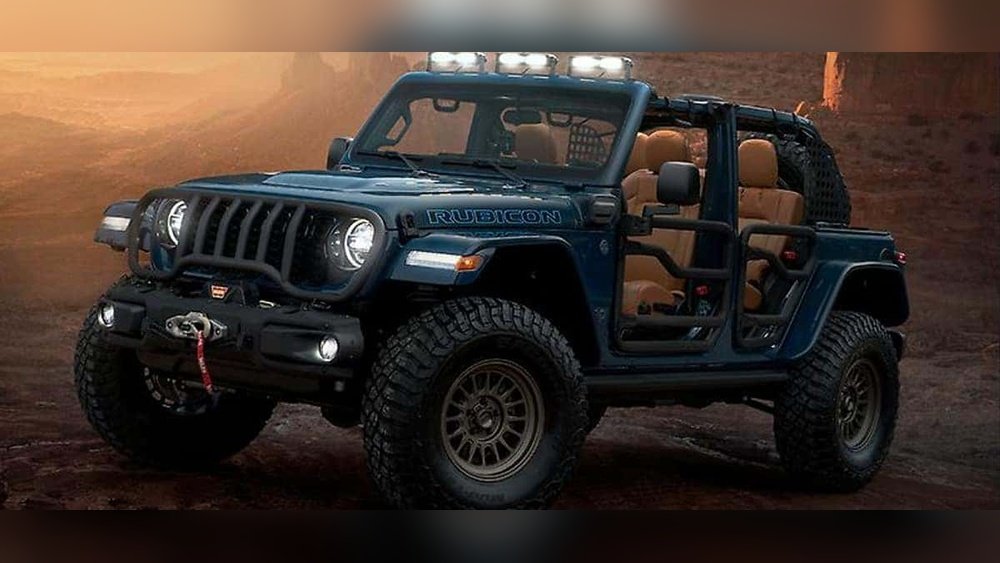
If you own a Jeep with a hardtop, you know how freeing it feels to take the top off for summer drives. But finding a safe place to store your hardtop can be tricky.
Laying it on the garage floor risks scratches or cracks. Leaning it against a wall could cause it to fall.
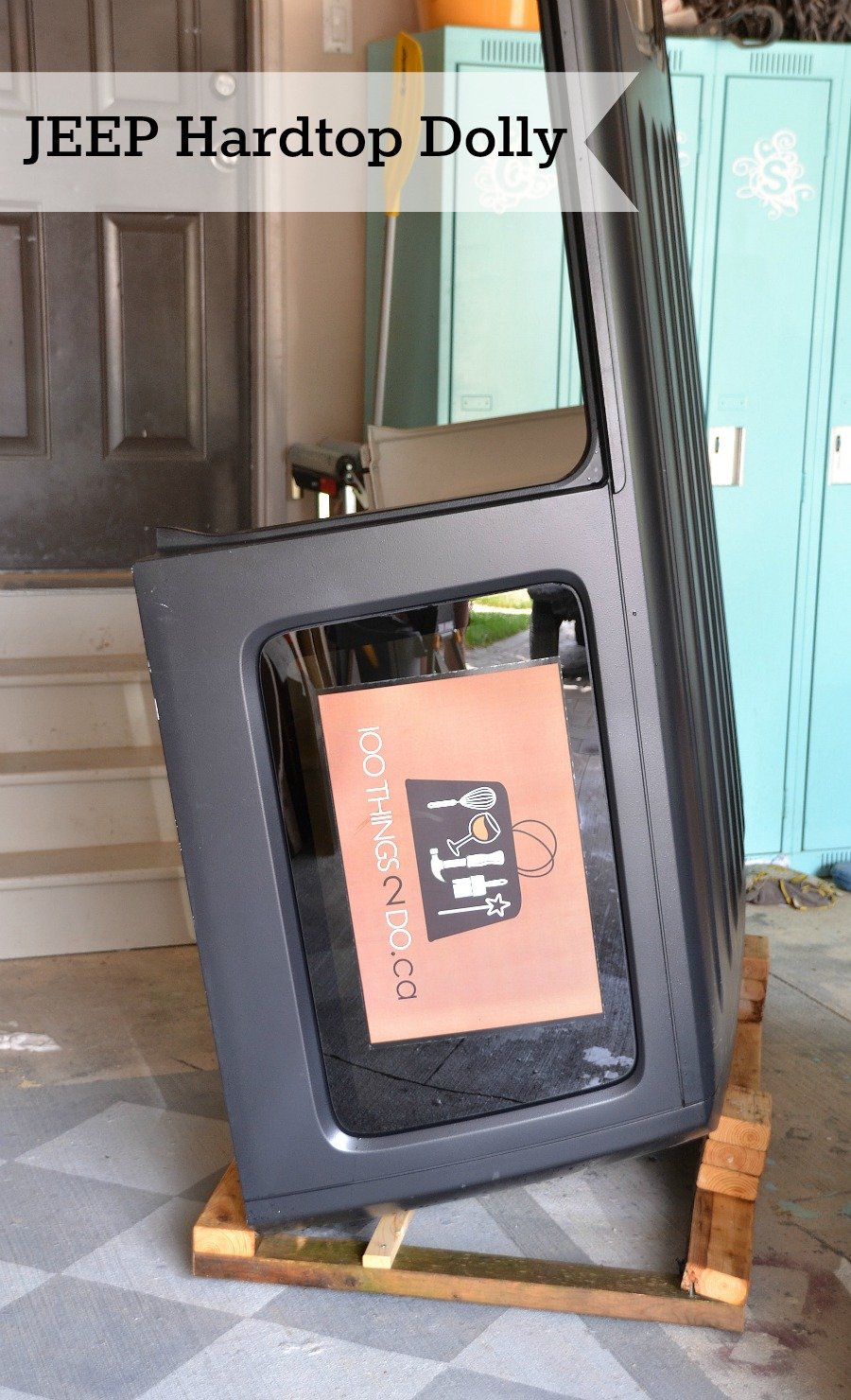
Many Jeep owners solve this by building a Jeep hardtop storage rack—a simple, cost-effective solution that protects your investment and gives you back precious garage space.
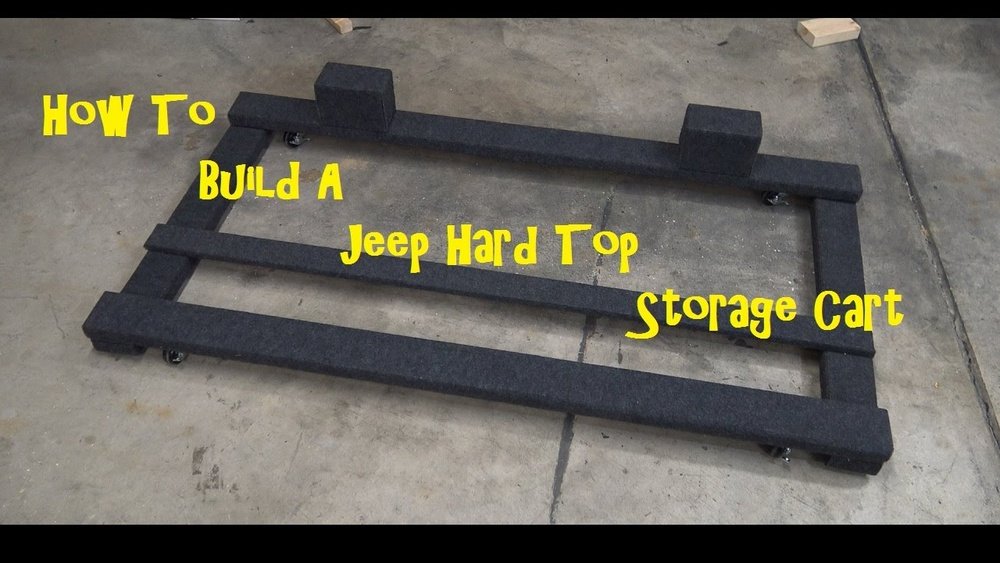
This guide shows you how to build a sturdy rack for your Jeep’s hardtop, even if you have limited tools or DIY experience. You’ll learn what materials to buy, step-by-step assembly, and tips to avoid common mistakes.
Let’s keep your hardtop safe and ready for the next adventure.
Why Build A Jeep Hardtop Storage Rack?
Storing your Jeep hardtop the right way prevents damage and extends its life. Hardtops are made of fiberglass or composite, which can warp or crack if not supported properly. A rack keeps the hardtop off the ground, away from kids, pets, and moisture. It also makes reinstallation much easier.
You could buy a commercial rack, but they often cost $200 $400. Building your own usually costs less than $70 in materials, and you can customize the size to fit your space.
Plus, you’ll know exactly how strong it is.
Materials And Tools Needed
Before starting, gather these items:
- 2×4 lumber (usually 4–6 pieces, 8 feet long)
- 3-inch wood screws (at least 24)
- 4 heavy-duty locking casters (optional, for mobility)
- Carpet scraps or foam padding
- Drill and bits
- Saw (circular or hand saw)
- Measuring tape
- Screwdriver
- Level
Pro tip: Use pressure-treated lumber if you store your rack in a humid area.
Here’s a quick comparison of costs for DIY vs. commercial storage racks:
| Item | DIY Rack | Commercial Rack |
|---|---|---|
| Average Cost | $60–$80 | $200–$400 |
| Weight Capacity | 200–300 lbs | 200–400 lbs |
| Custom Size | Yes | No/Maybe |
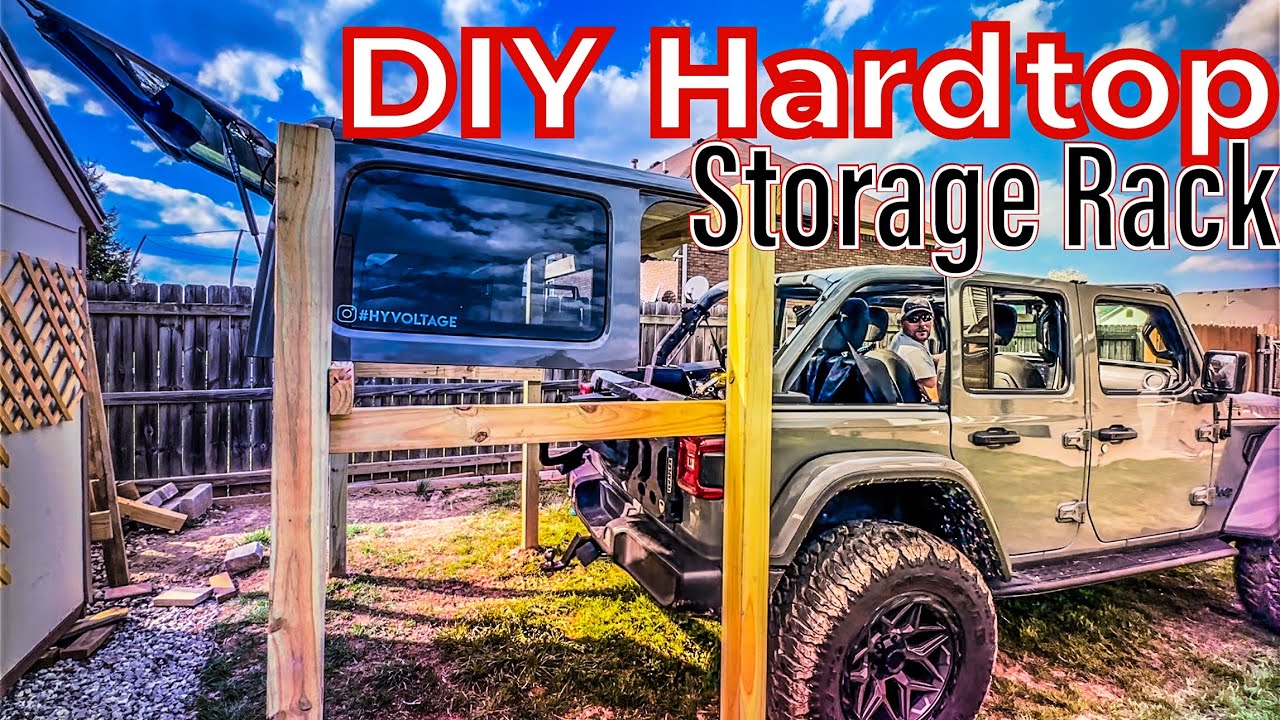
Step-by-step: Building The Hardtop Storage Rack
1. Measure Your Jeep Hardtop
Start by measuring the length, width, and thickness of your hardtop. Most Jeep Wrangler hardtops are about 60 inches long and 30 inches wide. These numbers will guide your rack’s dimensions. Add 2–3 inches on each side to make removing and placing the hardtop easy.
2. Cut The Lumber
Cut four pieces of 2×4 for the base frame two for the length, two for the width. Cut four shorter pieces for the vertical supports (usually 24 30 inches tall).
These will lift the hardtop off the floor.
If you want a mobile rack, cut and attach four shorter pieces for the lower base to hold casters.
3. Assemble The Frame
Lay out the base frame first. Use wood screws to attach the sides and ends.
Stand up the four vertical supports at each corner and secure them tightly.
If you want a double frame (one for the base, one for the top), repeat this process and attach the top frame to the vertical supports.
Non-obvious tip: Test the fit with your hardtop before tightening all screws. Small measurement errors can make a big difference.
4. Add Padding
To prevent scratches, cover the frame sections that touch the hardtop with carpet scraps or foam padding. Secure with staples or strong adhesive. This step is often skipped by beginners but makes a big difference.
5. Install Casters (optional)
If you want to roll your hardtop around the garage, add locking casters to the bottom. Use heavy-duty casters rated for at least 75 lbs each. Attach one to each corner.
Here’s a summary of the rack types:
| Rack Type | Best For | Mobility |
|---|---|---|
| Fixed Rack | Permanent storage, tight spaces | No |
| Mobile Rack with Casters | Moving around the garage | Yes |
6. Load Your Hardtop
With the help of a friend, carefully lift and place your hardtop on the rack. Always lift with your legs, not your back.
The padded surface should support the edges and middle evenly.
Another insight: Never place the hardtop upside down. This can damage the window frame and seals.
Safety And Maintenance Tips
- Check screws and joints every few months for looseness.
- Store the rack away from wet areas to prevent wood rot.
- Do not overload the rack with items on top of the hardtop.
- If you have kids, remind them not to climb on the rack.

Common Mistakes To Avoid
- Ignoring measurements: Even half an inch off can cause the rack to wobble or not fit.
- Skipping padding: Bare wood can scratch paint or plastic.
- Using weak casters: Cheap casters may fail under the weight, causing accidents.
- Not checking for level: An uneven rack can tip over, risking injury or damage.
Alternative Storage Ideas
If you’re short on floor space, consider a ceiling hoist system. These use pulleys and straps to lift the hardtop up and out of the way.
They cost more and require strong ceiling joists, but they keep your garage floor clear.
Another option is wall brackets, but these demand more effort to lift the top each season.
For more details on different storage solutions, check out this Jeep Hardtop Storage Guide.
Frequently Asked Questions
How Much Weight Can A Diy Jeep Hardtop Rack Hold?
A well-built 2×4 rack can hold 200–300 lbs. Most Jeep hardtops weigh 120–150 lbs, so this is more than enough. Always use strong wood and quality screws.
Can I Leave My Hardtop On The Rack All Winter?
Yes, as long as the rack is in a dry place and well-padded. Long-term storage on a rack is safer than on the ground.
How Do I Move The Hardtop By Myself?
It’s best to have help, but if you must do it alone, use a mobile rack with casters and lift slowly. Never drag the hardtop across the floor.
Should I Cover My Hardtop While It’s On The Rack?
Covering with a soft, breathable sheet helps keep dust off and prevents scratches. Avoid plastic covers, which can trap moisture.
Can I Use Metal Instead Of Wood?
Yes, metal racks are stronger and last longer, but require welding or special tools. Most DIYers find wood racks easier and cheaper to build.
Building your own Jeep hardtop storage rack saves money and protects your hardtop for years. With a bit of planning and the right materials, you’ll enjoy more open-air drives and less garage clutter every season.