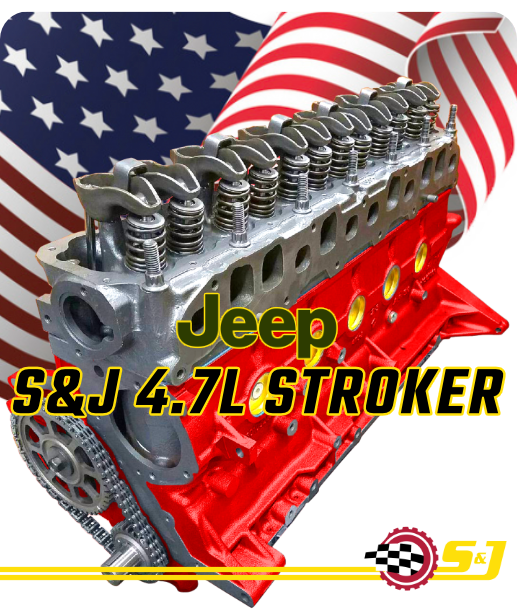
Building a Jeep 4.6 stroker engine is a rewarding project for off-road enthusiasts and those seeking more torque from their Jeep. The 4.6 stroker combines parts from different Jeep engines to create a reliable power upgrade. While it’s not a simple bolt-on job, knowing each component and step helps you avoid costly mistakes. This guide covers every essential part and what you need to know about building your own 4.6 stroker.
1. Engine Block
Start with a 4.0L Jeep block as your foundation. Most people use blocks from 1991–2006. Inspect for cracks or excessive wear before buying.
2. Crankshaft
Choose a 4.2L (258) crankshaft for extra stroke. Make sure journals are in good condition or plan for machining.

3. Connecting Rods
Use 4.0L rods for the right length and strength. Replace worn rods and always check for straightness.
4. Pistons
Select custom or off-the-shelf pistons (usually for a 4.0L with the 4.2L crank). Correct piston height is crucial to avoid engine damage.
5. Piston Rings
Install high-quality rings that fit your piston choice. Gaps must be set precisely for proper sealing.
6. Main Bearings
Opt for durable main bearings to handle increased torque. Avoid reusing old bearings.
7. Rod Bearings
Performance rod bearings are a wise upgrade. Always check clearances during assembly.
8. Camshaft
A performance camshaft designed for stroker builds optimizes power and efficiency. Match cam specs to your intended use.
9. Lifters
Pair your camshaft with new lifters for smooth operation. Old lifters can cause early failure.
10. Pushrods
Pushrod length changes due to block and head machining. Measure for correct fit to maintain valve geometry.
11. Rocker Arms
Upgrade to roller rocker arms for reduced friction and more reliable high-RPM operation.
12. Cylinder Head
A ported 4.0L head improves airflow. Clean and check for cracks before assembly.
13. Valves
Stainless steel valves resist wear and heat. Oversized valves can further boost flow.
14. Valve Springs
Heavy-duty springs are needed for a performance cam. Prevents valve float at higher RPMs.
15. Valve Seals
Install new seals to prevent oil leaks into the combustion chamber.
16. Timing Chain
A double roller timing set increases durability and accuracy over stock chains.
17. Timing Cover
The timing cover must match your chosen crank and block. Inspect for cracks or corrosion.
18. Oil Pump
A high-volume oil pump ensures proper lubrication for the stroker’s increased demands.
19. Oil Pan
Choose an oil pan with enough clearance for the longer stroke and adequate oil capacity.
20. Oil Pickup Tube
The pickup tube must match the oil pan and pump. Ensure correct fitment to avoid oil starvation.
21. Head Gasket
A multi-layer steel head gasket offers strength for higher compression.
22. Intake Manifold
Port-match the intake manifold to the head for smoother airflow.
23. Throttle Body
Upgrade to a larger throttle body (like 62mm) for improved breathing.
24. Fuel Injectors
Use higher-flow injectors to supply enough fuel for the bigger displacement.

25. Fuel Rail
A compatible fuel rail is necessary for proper injector fit and consistent pressure.
26. Fuel Pressure Regulator
Adjustable fuel pressure regulators allow fine-tuning for best performance.
27. Exhaust Manifold
A header or ported exhaust manifold improves exhaust flow, reducing backpressure.
28. Exhaust System
Use a free-flowing exhaust system (2.5” or larger) to complement the manifold.
29. Spark Plugs
Select colder spark plugs to handle higher compression and prevent pre-ignition.
30. Plug Wires
Low-resistance spark plug wires deliver strong spark with minimal loss.
31. Distributor
A high-performance distributor improves timing consistency, especially at high RPM.
32. Ignition Coil
Upgrade to a performance coil for stronger spark and better combustion.
33. Engine Mounts
Stronger polyurethane or heavy-duty mounts control engine movement under power.
34. Harmonic Balancer
A new or upgraded balancer reduces vibration from the longer stroke.

35. Water Pump
A high-flow water pump keeps the larger engine cool, especially under load.
36. Radiator
Install a larger aluminum radiator for improved cooling.
37. Thermostat
Use a 180°F thermostat for better temperature control.
38. Sensors
Replace all critical sensors (MAP, TPS, coolant temp) to ensure accurate engine management.
39. Engine Control Unit (ecu)
Some builds require a reprogrammed ECU or a piggyback controller for correct fueling and timing.
40. Air Intake
A cold air intake helps the engine breathe and increases power.
41. Gaskets And Seals
Always use new gaskets and seals during assembly to prevent leaks.
42. Arp Head Bolts/studs
Upgraded head bolts or studs prevent head lift under high cylinder pressures.
43. Timing Set
Ensure your timing set is compatible with your cam and crank combination.
44. Balancing
Have the entire rotating assembly balanced by a machine shop for smooth operation and engine life.
45. Engine Assembly Lube
Use assembly lube on all bearings, cam, and valvetrain parts during assembly.
46. Break-in Oil
Start the engine with break-in oil to protect new components during the critical first hours.
Example Of Key Component Fitment
| Part | Stock 4.0L | 4.6 Stroker |
|---|---|---|
| Crankshaft | 3.411″ | 3.895″ |
| Connecting Rods | 6.125″ | 6.125″ |
| Pistons | Standard | Custom/Shorter |
Comparison: Stock Vs Stroker Output
| Engine | Horsepower | Torque (lb-ft) |
|---|---|---|
| Stock 4.0L | 190 | 225 |
| 4.6 Stroker | 240–270 | 290–320 |
Cost Breakdown Example
| Category | Estimated Cost (USD) |
|---|---|
| Major Parts | $1,500 |
| Machine Work | $700 |
| Misc & Fluids | $300 |
Building a Jeep 4.6 stroker is more than just swapping parts. Attention to detail in measuring, clearancing, and assembly sets apart a reliable stroker from an expensive failure. Don’t skip professional balancing or use old hardware—these shortcuts can ruin your project. With careful preparation and quality parts, your Jeep will deliver much more power and torque for years to come. For more technical details, you can check Wikipedia’s AMC straight-6 engine page.
Frequently Asked Questions
What Is A Jeep 4.6 Stroker Engine?
A 4.6 stroker is a Jeep engine built by combining a 4.0L block with a 4.2L crank to increase displacement and power.
Do I Need Special Tools For This Build?
Yes, you’ll need engine assembly tools, a torque wrench, micrometers, and access to a machine shop for some work.
Can I Use My Old Engine Block?
If your block passes inspection (no cracks, minimal wear), you can reuse it. Otherwise, find a better core.
How Much Horsepower Will I Gain?
Most Jeep 4.6 strokers produce 240–270 horsepower and up to 320 lb-ft of torque, depending on parts and tuning.
Is This Build Suitable For Daily Driving?
With the right cam and tuning, a Jeep 4.6 stroker is very reliable for daily use and off-roading.