Every Jeep Wrangler owner knows that proper engine care is key for a reliable ride whether you’re tackling rough trails or cruising the highway. One of the simplest but most important tasks you can do yourself is adding coolant.
This fluid keeps your engine from overheating or freezing, protecting it from serious damage.
Even if you’re not a car expert, learning how to add coolant to your Jeep Wrangler is simple and can save you money on repairs.
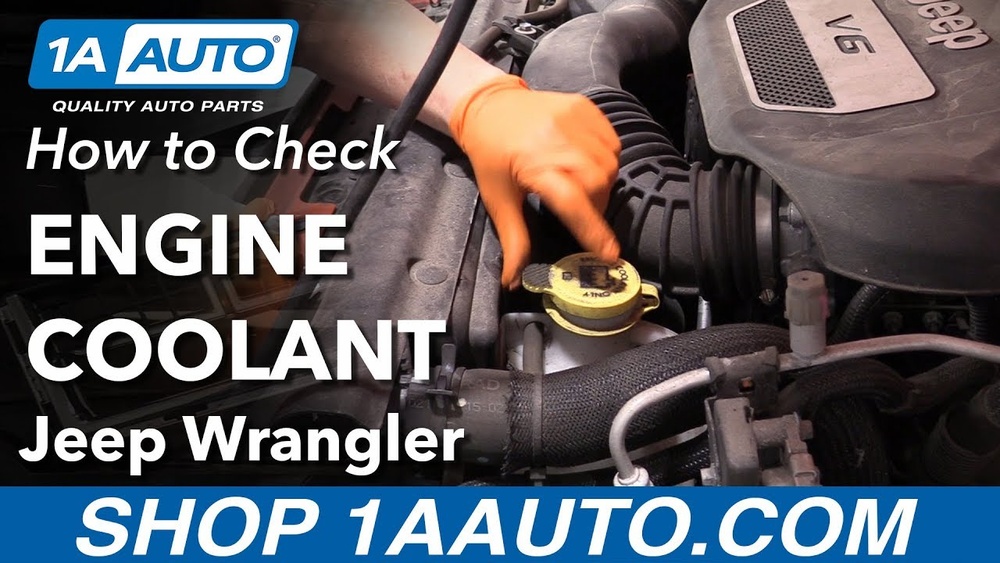
Let’s break down the process, highlight what you need, and share tips that even seasoned drivers sometimes forget.
Why Coolant Matters For Your Jeep Wrangler
Coolant, also known as antifreeze, keeps your engine at the right temperature. It prevents overheating in hot weather and freezing in the cold. If the coolant level gets too low, your engine can overheat, leading to costly repairs like a blown head gasket or warped cylinder head.
Here’s why topping up coolant is especially important for Jeep Wranglers:
- Off-roading stress: Jeep engines work harder in tough conditions.
- Open-air design: Temperature swings can be bigger with soft tops or no top.
- Longevity: Regular coolant checks help your Wrangler last longer.
What You’ll Need
Before you start, gather these items:
- Correct coolant type (see your owner’s manual)
- Clean funnel
- Rag or paper towels
- Gloves (optional, but recommended)
Using the wrong coolant can damage your system. Most Jeep Wranglers use HOAT (Hybrid Organic Acid Technology) or OAT (Organic Acid Technology) coolants. Check your manual to be sure.
Finding The Coolant Reservoir
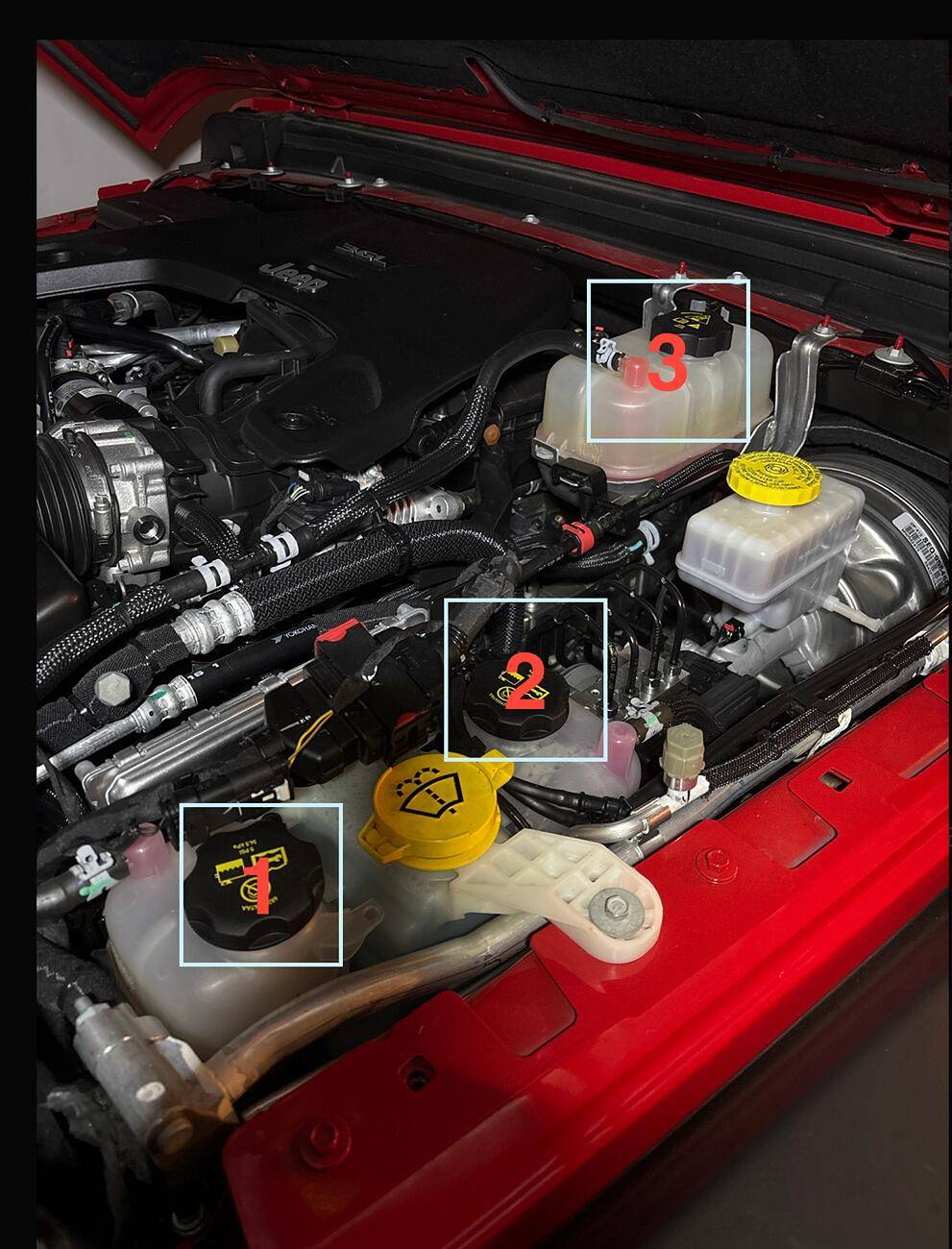
The coolant reservoir is usually a plastic tank near the radiator at the front of the engine bay. Look for a cap labeled “engine coolant only” or a similar warning.
Common Reservoir Locations In Wrangler Models
| Model Year | Reservoir Location |
|---|---|
| 2007-2017 JK | Passenger side, near firewall |
| 2018-2024 JL | Driver side, near radiator |
| 1997-2006 TJ | Passenger side, behind battery |
If you’re unsure, your Jeep’s manual will have a diagram.
Step-by-step Guide: Adding Coolant
- Let the engine cool: Never open the radiator cap or reservoir when the engine is hot. Wait at least 30 minutes after driving.
- Open the hood: Use the hood latch and prop the hood securely.
- Locate the coolant reservoir: Find the translucent tank (not the radiator itself).
- Check the level: Most reservoirs have “MIN” and “MAX” lines. The coolant should be between these marks.
- Add coolant: Remove the cap slowly. Insert a funnel, then pour the coolant until it reaches the “MAX” line. Avoid overfilling.
- Secure the cap: Tighten the cap until you feel resistance.
- Wipe up spills: Use a rag to clean any drips, as coolant is toxic to pets and wildlife.
- Run the engine: Start your Jeep and let it idle for a few minutes. Watch the gauge and check for leaks. If the level drops, add more coolant as needed.
How Much Coolant Does A Wrangler Need?
Here’s a general guide for common Wrangler engines:
| Engine Type | Coolant Capacity (quarts) |
|---|---|
| 3.6L V6 (JK/JL) | 14 |
| 2.0L Turbo (JL) | 10.7 |
| 4.0L I6 (TJ) | 10.5 |
You rarely need to add more than a quart or two during a top-up. Large losses may signal a leak.

Important Tips And Common Mistakes
- Never mix different coolant types. Mixing HOAT and OAT can cause gelling and blockages.
- Inspect hoses and clamps. If you’re topping up often, check for leaks under your Jeep or around the radiator.
- Don’t overfill. Too much coolant can cause pressure problems.
- Flush old coolant every 5 years or 100,000 miles (check your manual for specifics).
- Use distilled water if diluting. Tap water can add minerals that harm the engine.
Many owners forget to check coolant at the start of summer and winter these seasons are when most overheating or freezing issues happen.
When To See A Mechanic
If you notice these warning signs, get professional help:
- Coolant smell inside the car
- Repeated low coolant levels
- White smoke from the exhaust
- Overheating warning light
These can mean a leak or head gasket issue, which needs expert attention.

Coolant Types For Jeep Wrangler
Using the right coolant is critical. Here’s a quick comparison of common types:
| Coolant Type | Color | Service Life | Compatibility |
|---|---|---|---|
| HOAT | Orange or Yellow | 5 years/100,000 miles | Most 2001-2012 Jeeps |
| OAT | Pink or Purple | 10 years/150,000 miles | Most 2013+ Jeeps |
Check your manual or the cap label to avoid mistakes.
Frequently Asked Questions
How Often Should I Check Coolant In My Wrangler?
Check your coolant every oil change or at least every 3 months. Do it more often if you drive off-road or in extreme temperatures.
What Should I Do If My Coolant Level Keeps Dropping?
Constantly low coolant usually means a leak. Look for puddles under your Jeep or white streaks near hoses. If you can’t find the source, see a mechanic.
Can I Use Water Instead Of Coolant In An Emergency?
Only use distilled water as a temporary fix. It won’t protect against freezing or corrosion. Replace with proper coolant as soon as possible.
What Happens If I Overfill The Coolant Reservoir?
Slight overfilling isn’t dangerous, but too much can cause overflow or pressure issues. The system may push out extra coolant, but repeated overfilling isn’t safe.
How Do I Know Which Coolant My Jeep Needs?
Check your owner’s manual or the reservoir cap. Most newer Wranglers use OAT coolant, while older ones may use HOAT. When in doubt, ask your dealer or check resources like Wikipedia for more details.
Taking care of your Jeep Wrangler’s cooling system is simple but vital. By checking and adding coolant regularly, you’re protecting your engine and keeping every adventure worry-free.