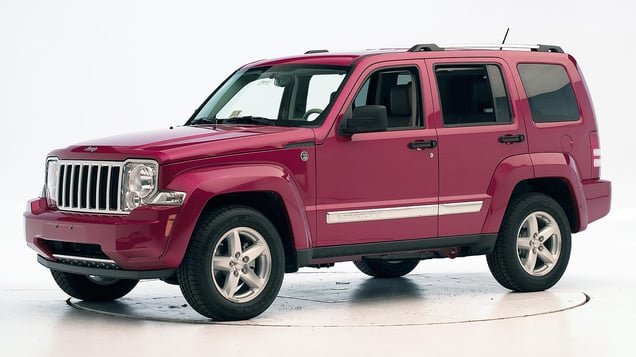
Many people are drawn to the Jeep Liberty for its rugged design and off-road capabilities. But when it comes to safety, opinions are mixed.
Some drivers love the solid feel, while others worry about crash test scores and recalls. If you're considering a Jeep Liberty, it's smart to dig into the facts before making a decision.
Crash Test Results
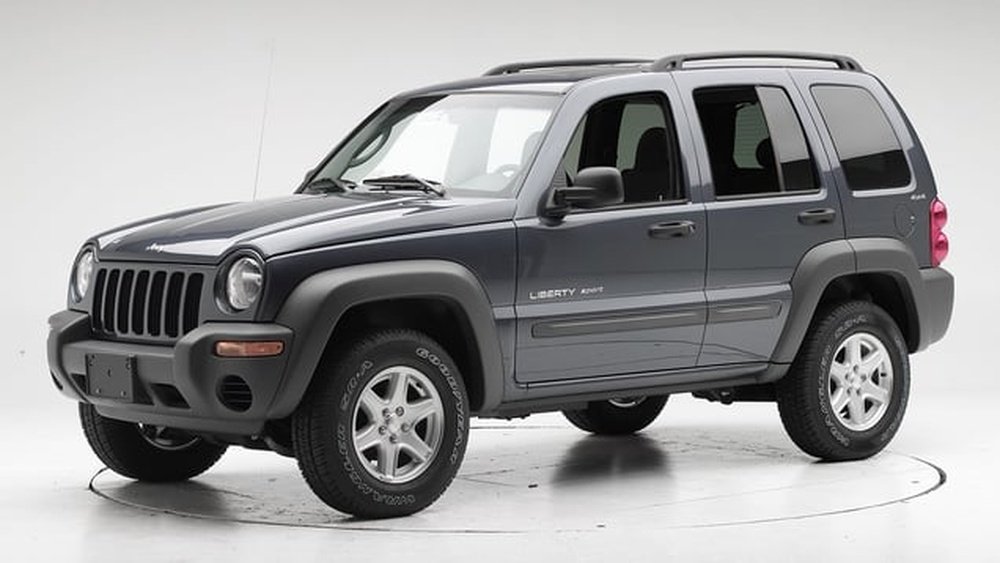
Crash test ratings are often the first place buyers look for safety information. The Jeep Liberty was produced from 2002 to 2012, so results vary by year.
| Model Year | NHTSA Overall Rating (Stars) | IIHS Rating |
|---|---|---|
| 2002-2007 | 4 | Marginal |
| 2008-2012 | 3-4 | Marginal to Acceptable |
The National Highway Traffic Safety Administration (NHTSA) gave early Jeep Libertys mostly four stars for overall crash protection. Later models sometimes dropped to three stars for rollover resistance. The Insurance Institute for Highway Safety (IIHS) rated the Liberty as “Marginal” to “Acceptable” in moderate overlap and side impact tests.
It’s important to know that these scores are lower than many other SUVs from the same years. For families or those who drive in risky conditions, this can be a concern.
Key Safety Features
The Jeep Liberty came with several safety features, especially in later models:
- Front and side airbags (standard on most models after 2006)
- Electronic Stability Control (added in 2007)
- Anti-lock brakes
- Tire pressure monitoring system
- Child safety seat anchors (LATCH system)
While these features meet basic standards, some newer SUVs offer more advanced tech like blind spot monitoring or automatic emergency braking. The Liberty lacks these modern aids, which can make a big difference in real-world safety.
Rollover Risk
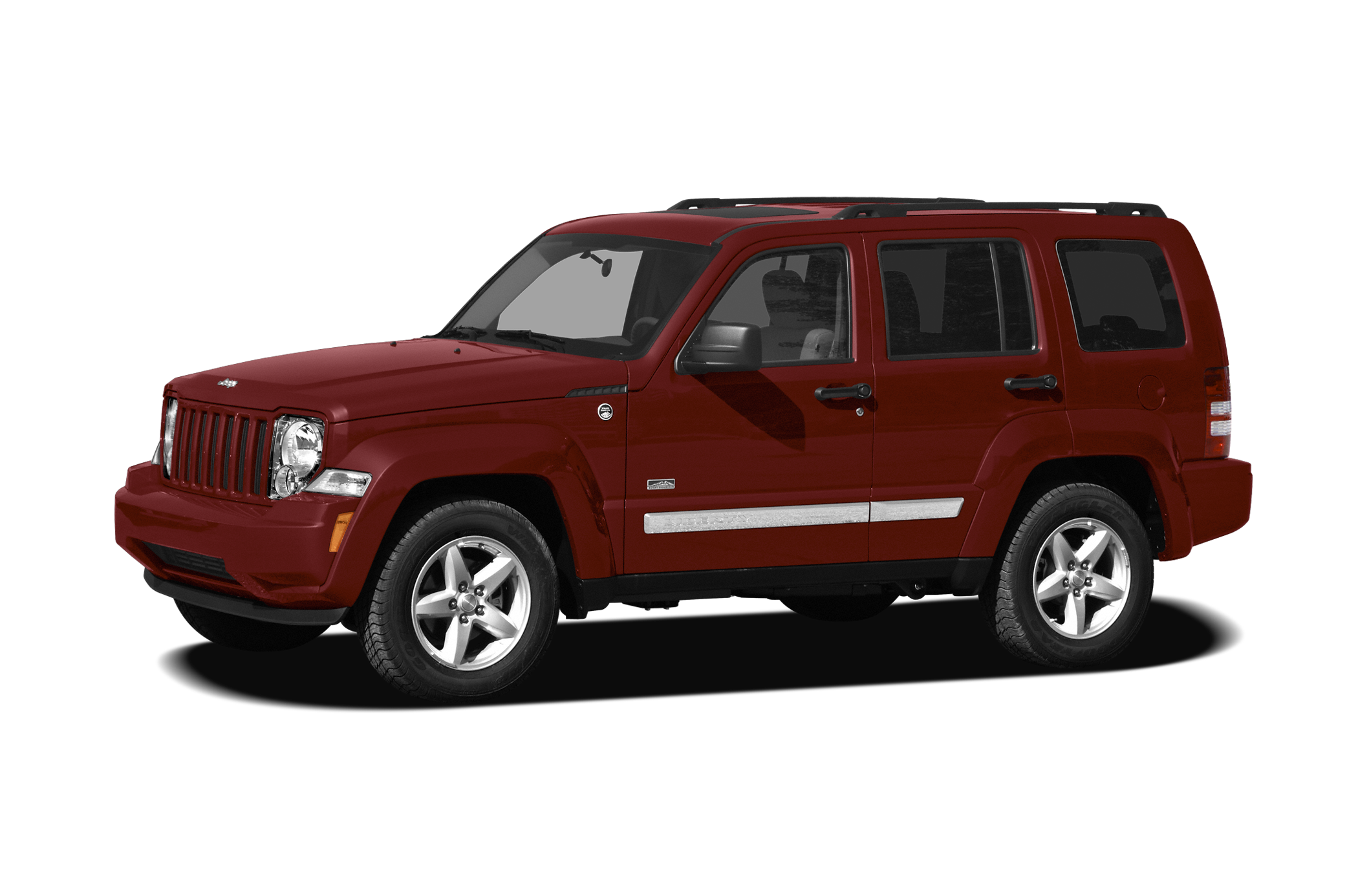
Jeep Libertys have a higher than average rollover risk due to their tall, narrow design and short wheelbase. This is common in many older SUVs, but it’s more noticeable with the Liberty.
| Vehicle | Rollover Risk (%) |
|---|---|
| Jeep Liberty | 25-27 |
| Honda CR-V | 16-18 |
| Toyota RAV4 | 15-17 |
A 25-27% chance of rollover in a single-vehicle crash is high compared to compact SUVs like the Honda CR-V or Toyota RAV4. This risk increases if you drive aggressively, carry heavy loads, or travel on winding roads.
Common Safety Issues And Recalls
Over its production years, the Jeep Liberty faced several safety-related recalls:
- Fuel tank vulnerability: Some models (especially 2002–2007) had rear fuel tanks that could rupture in a rear-end crash.
- Airbag recalls: Defective Takata airbags affected later models, leading to potential injuries during deployment.
- Suspension problems: Rust and corrosion in the rear lower control arms led to loss of control in certain climates.
While most recalls were fixed for free at dealerships, many used Libertys remain on the road with open recalls. Always check the Vehicle Identification Number (VIN) before buying a used Liberty to see if recall work was done.
Real-world Safety: Owner Experiences
Statistics and tests are important, but real-world feedback adds another layer. Many owners say the Jeep Liberty feels solid and protective in bad weather. The 4WD system gives confidence in snow or mud.
But some drivers mention poor visibility due to thick roof pillars. Others say the brakes can feel “mushy” and the steering is not as precise as other SUVs. These issues may not show up in lab tests but can affect your safety daily.
How Jeep Liberty Compares To Other Suvs
When compared to similar SUVs from the same era, the Jeep Liberty stands out for off-road strength but falls behind in safety. Here’s a quick look:
| Feature | Jeep Liberty | Honda CR-V | Toyota RAV4 |
|---|---|---|---|
| Crash Test Rating | Marginal | Good | Good |
| Rollover Risk (%) | 25-27 | 16-18 | 15-17 |
| Advanced Safety Tech | Few | Some | Some |
The Liberty’s off-road ability is excellent, but for daily driving and family safety, other options offer more protection and features.
Two Insights Most People Miss
First, tire choice makes a big difference in Liberty safety. The factory tires are often off-road focused, which can reduce grip on wet pavement. Swapping to all-season or highway tires improves braking and cornering on normal roads.
Second, suspension maintenance is critical. The Liberty’s suspension wears faster than some rivals, especially if you drive off-road. Worn parts can make handling less predictable, raising rollover and crash risks. Regular checks help keep the vehicle safe.
Should You Buy A Jeep Liberty For Safety?
If you value off-road ability and don’t mind basic safety features, the Liberty can be a solid choice. However, if top safety ratings or the latest technology are your main concern, it’s worth considering a newer or different SUV.
The Liberty is safest when well maintained and driven with care.
For more official safety data, visit the NHTSA website.

Frequently Asked Questions
Is The Jeep Liberty Safe For Families?
The Liberty has basic safety features, but lower crash ratings and higher rollover risk than many competitors. For families, consider newer SUVs with more advanced safety tech.
Are Older Jeep Libertys Less Safe?
Yes. Early models (2002 2007) lack some modern features and have more recall issues. Later models are somewhat improved, but still not class leaders.
Does 4wd Make The Liberty Safer?
4WD helps in snow, mud, and off-road, but does not reduce rollover risk or improve crash ratings. It’s good for traction, but not a replacement for advanced safety systems.
What Should I Check Before Buying A Used Liberty?
- Check for open recalls using the VIN
- Inspect suspension for rust or wear
- Make sure airbag recalls were fixed
- Look for signs of accident damage
Can I Make My Jeep Liberty Safer?
Yes. Use quality all-season tires, keep the suspension in top shape, and avoid risky driving. Adding aftermarket safety gear (like backup cameras) can also help, but cannot fix basic design limits.
The Jeep Liberty offers unique strengths, but safety is not its strongest point. By understanding its limits and maintaining it well, you can reduce risks and drive with more confidence.