The Jeep Renegade is a popular compact SUV known for its rugged styling and off-road capabilities. However, like any vehicle, it can sometimes display warning lights on the dashboard, including the sensor light.
This light can indicate various issues, from minor sensor malfunctions to more significant problems. Understanding what triggers this light and how to address it is crucial for maintaining your Renegade's performance and safety.
This guide will walk you through the common reasons for the sensor light illuminating, how to diagnose the problem, and steps you can take to reset it.
When a dashboard light illuminates, it’s easy to feel a sense of unease. The sensor light on a Jeep Renegade is no exception. It’s a general indicator that one of the vehicle’s many sensors has detected an anomaly. These sensors are the eyes and ears of your car, constantly monitoring everything from engine performance and emissions to tire pressure and braking systems. If a sensor reports something outside its normal operating parameters, the system triggers the warning light to alert the driver. The key to resolving this issue lies in identifying which sensor is reporting the problem and then taking the appropriate action.
Understanding Jeep Renegade Sensor Lights
The term “sensor light” is quite broad because the Jeep Renegade uses a multitude of sensors to manage its various systems. The most common lights associated with sensors are the Check Engine Light (CEL), the Tire Pressure Monitoring System (TPMS) light, and sometimes lights related to the Anti-lock Braking System (ABS) or Traction Control. Each of these systems relies on specific sensors to function correctly.
The Check Engine Light (cel)
The Check Engine Light, often depicted as an engine outline, is the most frequent culprit when a general “sensor light” is mentioned. This light indicates a problem detected by the Powertrain Control Module (PCM), which is essentially the brain of your engine. The PCM receives data from numerous sensors, including:
- Oxygen (O2) Sensors: These measure the amount of unburned oxygen in your exhaust. They help determine the optimal air-fuel mixture for efficient combustion and lower emissions.
- Mass Airflow (MAF) Sensor: This sensor measures the amount of air entering the engine, which is critical for calculating the correct amount of fuel to inject.
- Throttle Position Sensor (TPS): This sensor tells the PCM how far the throttle pedal is pressed, influencing engine power.
- Crankshaft Position Sensor (CKP) and Camshaft Position Sensor (CMP): These sensors monitor the position and speed of the engine’s rotating parts, vital for ignition timing and fuel injection.
- Knock Sensor: This sensor detects engine knocking or pinging, allowing the PCM to adjust ignition timing to prevent damage.
- Evaporative Emission Control (EVAP) System Sensors: These monitor fuel vapors to prevent them from escaping into the atmosphere.
When any of these sensors, or related components like the catalytic converter or spark plugs, report an issue, the CEL will illuminate.
Tire Pressure Monitoring System (tpms) Light
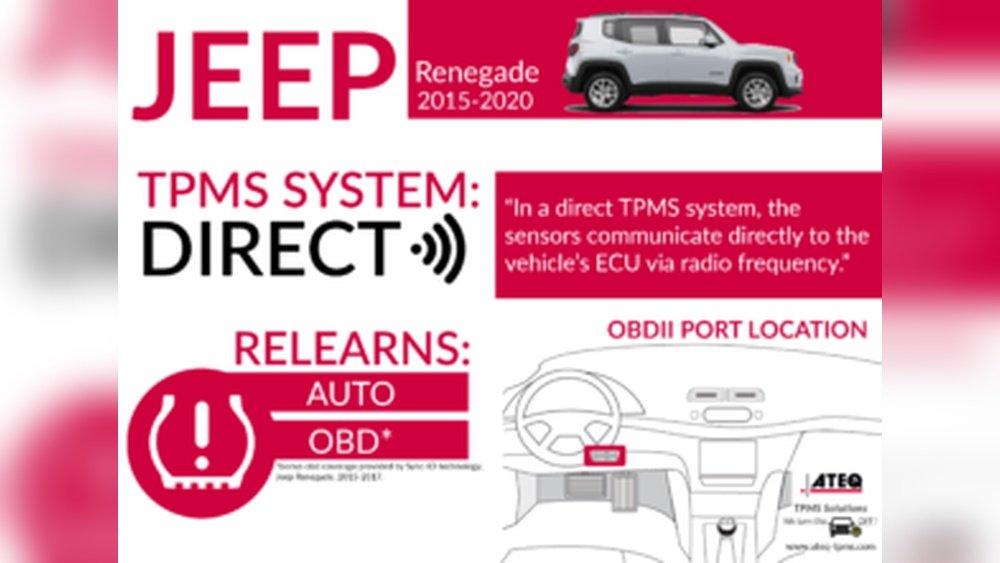
The TPMS light, usually an exclamation point inside a tire outline, specifically warns about low tire pressure. Each tire has a sensor that measures its internal pressure. If the pressure in one or more tires drops significantly below the recommended level, this light will come on. This is crucial for safety, as underinflated tires can affect handling, braking, and fuel efficiency, and increase the risk of a blowout.
While less common as a general “sensor light,” issues with other sensor systems can also trigger warning indicators:
- ABS Light: This indicates a problem with the Anti-lock Braking System, which relies on wheel speed sensors to prevent wheel lock-up during hard braking.
- Traction Control/Electronic Stability Control (ESC) Light: These systems use wheel speed sensors and steering angle sensors to help maintain control during slippery conditions. A fault in these sensors can illuminate their respective warning lights.
Common Causes For The Sensor Light To Illuminate
The reasons behind a lit sensor light are varied. Understanding the most frequent causes can help you narrow down the potential problem with your Jeep Renegade.
- Loose or Faulty Gas Cap: This is surprisingly common. A loose gas cap disrupts the EVAP system’s seal, leading the PCM to detect a leak and illuminate the CEL.
- Failing Oxygen (O2) Sensors: O2 sensors have a limited lifespan. When they become dirty or worn, they send inaccurate data, affecting fuel efficiency and emissions.
- Malfunctioning Mass Airflow (MAF) Sensor: A dirty or faulty MAF sensor can cause rough idling, stalling, and poor acceleration.
- Worn Spark Plugs or Ignition Coils: These are essential for igniting the fuel-air mixture. If they fail, the engine will misfire, triggering the CEL.
- Catalytic Converter Failure: This is a more serious and expensive issue. The catalytic converter reduces harmful emissions. If it fails, the engine’s performance will suffer, and emissions will increase significantly.
- EVAP System Leaks: Beyond a loose gas cap, leaks can occur in hoses, vents, or the charcoal canister of the EVAP system.
- Vacuum Leaks: Leaks in vacuum hoses can disrupt the air-fuel mixture, leading to various engine performance issues and triggering the CEL.
- Low Tire Pressure: The most straightforward reason. Cold weather can cause tire pressure to drop, or a slow leak might be present.
- TPMS Sensor Malfunction: The sensors themselves can fail due to battery issues, damage, or electronic faults.
- Recent Tire Rotation or Replacement: Sometimes, the TPMS sensors need to be reset after tires are changed or rotated.
- Extreme Temperatures: While less common, extremely high or low temperatures can sometimes affect sensor readings temporarily.
- Faulty Wheel Speed Sensor: These sensors are critical for ABS and ESC. If one fails, the system may not function correctly.
- Low Brake Fluid Level: While not a sensor itself, low brake fluid can sometimes trigger ABS or ESC lights, as it can affect the hydraulic pressure system.
- ABS Pump or Module Failure: More serious internal component failures can also cause these lights to illuminate.

Diagnosing The Sensor Light Problem
Before you can reset a sensor light, you need to know *why* it illuminated in the first place. Attempting to reset a persistent issue without addressing the root cause can lead to further damage or unsafe driving conditions.
Using An Obd-ii Scanner For The Check Engine Light
The most effective way to diagnose CEL issues is by using an On-Board Diagnostics (OBD-II) scanner. This device plugs into a port typically located under the dashboard on the driver’s side.
- Locate the OBD-II Port: It’s usually a trapezoidal-shaped connector.
- Connect the Scanner: Turn off your Jeep Renegade. Plug the scanner into the port.
- Turn on Ignition: Turn the ignition key to the “ON” position (without starting the engine) or start the engine, depending on your scanner’s instructions.
- Read Codes: The scanner will communicate with the PCM and display Diagnostic Trouble Codes (DTCs). These codes are alphanumeric identifiers (e.g., P0300, P0420) that point to the specific problem detected.
- Interpret Codes: You can look up the meaning of these codes online or in your vehicle’s service manual. Many scanners also provide a description of the code. For example, a P0420 code often indicates “Catalyst System Efficiency Below Threshold (Bank 1).”
- Further Inspection: Based on the code, you can then inspect the relevant components. For a loose gas cap (often triggering codes like P0455 or P0456), simply tighten it and see if the light goes off after a few driving cycles. For O2 sensor issues, you’d inspect the sensor’s wiring and the sensor itself.
Pro Tip: Many auto parts stores offer free OBD-II code reading services. This can be a great starting point if you don’t own a scanner.
Diagnosing Tpms Light Issues
- Check Tire Pressure Manually: The first step is always to check the air pressure in all four tires using a reliable tire pressure gauge. Compare it to the recommended pressure found on the sticker inside the driver’s side doorjamb or in your owner’s manual.
- Inspect Tires: Look for any obvious punctures or damage.
- Reset TPMS: If the pressure is correct, the system may need to be reset. Many vehicles have a button or menu option for this. Consult your owner’s manual for specific instructions on how to reset the TPMS on your Jeep Renegade. This often involves driving for a short period at a moderate speed after ensuring all tires are properly inflated.
- TPMS Sensor Scan: If the light persists, a TPMS sensor might be faulty. A specialized scanner is needed to diagnose individual sensor issues.
Diagnosing Abs And Esc Lights
- Check Brake Fluid: Ensure the brake fluid level is adequate.
- Visual Inspection: Look for any obvious damage to wheel speed sensor wiring, especially near the wheels.
- Professional Diagnosis: ABS and ESC systems are complex. If the light remains on after checking basic fluid levels and visual inspections, it’s best to have a qualified mechanic diagnose the issue with specialized equipment.
How To Reset Sensor Lights On A Jeep Renegade
The method for resetting a sensor light depends heavily on the type of light and the underlying cause.
Resetting The Check Engine Light (cel)
There are a few ways to reset the CEL, ranging from simple to more involved:
- Tighten the Gas Cap: As mentioned, a loose gas cap is a common cause. Tighten it until it clicks several times. Drive your Renegade for a few days. The light will often turn off on its own if this was the only issue. This process can take 1-3 driving cycles.
- Disconnect the Battery: This is a common DIY method, but it comes with a significant caveat.
- Locate the Battery: It’s usually under the hood.
- Disconnect the Negative Terminal: Use a wrench to loosen the nut on the negative (-) terminal clamp and remove the cable from the battery post. Always disconnect the negative terminal first.
- Wait: Leave the cable disconnected for at least 15-30 minutes. Some recommend longer, even overnight. This allows the PCM’s memory to be cleared.
- Reconnect the Battery: Reattach the negative terminal cable and tighten the clamp.
- Warning: Disconnecting the battery will reset all the vehicle’s electronic modules, including radio presets, learned engine parameters, and clock settings. It may also require a radio code if your system has one. Furthermore, some newer vehicles require a re-learning procedure for the engine and transmission after the battery is reconnected, which might involve driving under specific conditions. For safety systems, it might also require recalibration.
- Using an OBD-II Scanner: Most OBD-II scanners have a function to clear DTCs.
- Connect the Scanner: Plug it into the OBD-II port.
- Read Codes: First, read and record any codes present.
- Clear Codes: Select the “Clear Codes” or “Erase Codes” option on your scanner.
- Confirm: The scanner will usually ask for confirmation.
- Turn off Ignition: Turn the ignition off and then back on (without starting the engine) or start the engine to see if the light has gone out.
- Important Note: Clearing codes with a scanner does not fix the underlying problem. If the issue that triggered the CEL is still present, the light will likely reappear after a short period of driving. This method is best used after you have identified and fixed the problem, or if you suspect a temporary glitch.
Resetting The Tpms Light
- Inflate Tires: Ensure all tires are inflated to the correct pressure.
- Drive the Vehicle: After inflating, drive your Renegade for at least 5-10 minutes at speeds above 15 mph (approx. 25 km/h). The system should automatically detect the correct pressure and turn off the light.
- Use the TPMS Reset Button/Menu: Some Jeep Renegades have a specific TPMS reset button, often located near the steering column or on the dashboard. Others require you to navigate through the vehicle’s information display menu using buttons on the steering wheel.
- Turn the ignition to the “ON” position (engine off).
- Locate the TPMS reset button or navigate the menu to find the TPMS settings.
- Follow the on-screen prompts or press and hold the reset button until the light flashes or turns off.
- Start the engine and drive for a few minutes.
Consult your Jeep Renegade owner’s manual for the exact procedure for your specific model year.
Resetting Abs And Esc Lights
Resetting ABS and ESC lights is typically not a DIY procedure. These systems are safety-critical, and their warning lights usually indicate a fault that needs professional diagnosis and repair.
Attempting to force a reset without addressing the issue can compromise your vehicle's safety features.

When To Seek Professional Help
While some sensor light issues are simple fixes, others require specialized knowledge and tools. It’s important to know when to call in the experts.
- Persistent Check Engine Light: If the CEL returns after you’ve tried a simple fix (like tightening the gas cap) or if you’re unsure about the OBD-II codes, it’s time for a mechanic. Issues like catalytic converter failure or complex sensor malfunctions require professional diagnosis.
- TPMS Issues Persist: If the TPMS light remains on after inflating tires and attempting a reset, one or more TPMS sensors likely need replacement. This requires specialized equipment to identify the faulty sensor and program a new one.
- ABS or ESC Lights: These lights should always be addressed by a professional. Malfunctions in these systems can severely impact your ability to control the vehicle, especially in emergency situations. A mechanic can use advanced diagnostic tools to pinpoint the exact cause, whether it’s a sensor, the ABS module, or other related components.
- Multiple Warning Lights: If several warning lights illuminate simultaneously, it often indicates a more complex electrical or system-wide issue that warrants professional attention.
- Uncertainty: If you’re not comfortable working on your vehicle or are unsure about the diagnosis, it’s always best to consult a qualified mechanic.
Common Mistakes To Avoid
- Ignoring the Light



















