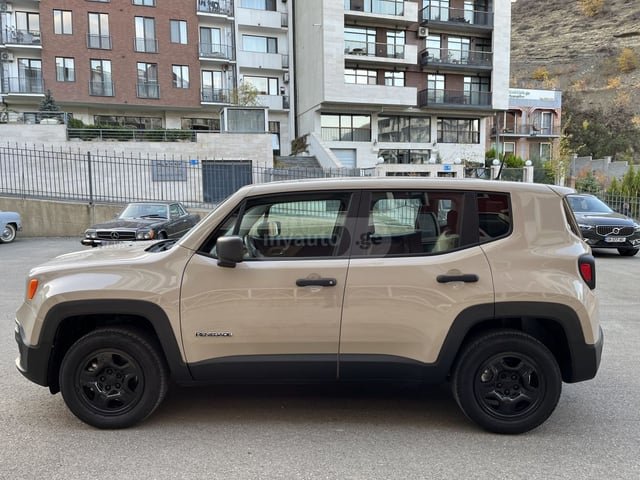
The Jeep Renegade often stands out because of its unique design and promise of off-road fun in a compact size. Many drivers ask, “Is the Jeep Renegade reliable?” That’s an important question before spending hard-earned money on a car. Reliability is about more than just how often a car breaks down. It also means how much it costs to fix, how long it lasts, and how it handles daily use. Let’s explore what you really need to know about Jeep Renegade reliability.
How Jeep Renegade Performs Over Time
Some people buy a Jeep Renegade hoping for a tough little SUV that handles city streets and rough roads. But how does it actually perform over time?
Repair Records And Owner Reports
Many owners say the Jeep Renegade is fun to drive, especially with the available all-wheel drive. However, repair data tells a mixed story. According to RepairPal, the Renegade scores 4.0 out of 5.0 for reliability, which is above average for subcompact SUVs. But some model years, especially 2015–2017, report more problems than others.
Common Problems
The most reported issues include:
- Electrical glitches (like warning lights or radio problems)
- Transmission troubles (such as rough shifting or hesitation)
- Engine stalling
Most problems are not dangerous but can be annoying and expensive if they happen outside the warranty. The newer models (2020 and after) show fewer complaints, likely due to improvements by Jeep.
Maintenance And Cost To Own
The real cost of a car isn’t just the price you pay at the dealership. It’s about maintenance, repairs, and how often you need to visit the shop.
Yearly Maintenance Comparison
Here’s how the Jeep Renegade’s average yearly maintenance costs compare to similar SUVs:
| Model | Average Annual Maintenance ($) |
|---|---|
| Jeep Renegade | 498 |
| Honda HR-V | 301 |
| Chevrolet Trax | 488 |
| Hyundai Kona | 468 |
You can see that the Jeep Renegade costs more to maintain than a Honda HR-V but is similar to the Chevrolet Trax. This may surprise some buyers who expect Jeep’s “rugged” image to equal lower costs.
Warranty Coverage
All Jeep Renegades come with a 3-year/36,000-mile basic warranty and a 5-year/60,000-mile powertrain warranty. This is standard for the industry, but not outstanding. If you plan to keep the car longer, consider an extended warranty.
Reliability By Model Year
Not every Jeep Renegade is the same. Some years are more reliable than others.
Reliability Ratings By Year
Below is a look at how different model years rate for reliability, based on owner surveys and expert reviews.
| Model Year | Reliability Rating (out of 5) | Major Issues Reported |
|---|---|---|
| 2015 | 2.5 | Transmission, electrical |
| 2017 | 3.0 | Electrical |
| 2019 | 4.0 | Minor electronics |
| 2022 | 4.3 | Few complaints |
If you want the most reliable Renegade, look for 2019 or newer. Older models often have more frequent and costly repairs.
What Makes The Renegade Different
Off-road Capability
One clear strength is that the Renegade is one of the only subcompact SUVs with true off-road ability. The Trailhawk trim has higher ground clearance, skid plates, and Jeep’s advanced four-wheel-drive system. Many rivals can’t handle trails or rough weather as well.
Unique Design And Features
The Renegade’s boxy shape and playful details make it stand out from the crowd. Features like the available My Sky sunroof and customizable interior colors add to its personality. However, these extras can sometimes mean more parts that might need repair down the road.
Resale Value
Compared to other Jeeps, the Renegade’s resale value drops faster. This is important if you plan to sell or trade in after a few years. Subcompact SUVs often lose value quickly, and the Renegade is no exception.
Two Insights Beginners Miss
- Jeep’s off-road parts need more care. If you use the Renegade for real off-roading, you may face higher costs for suspension and tires. These parts wear faster than on city-only SUVs.
- Not all trims are equal. The base Sport trim is simpler and tends to have fewer problems than fully loaded versions with more tech and options. More features can mean more things that could break.
Who Should (and Shouldn’t) Buy A Jeep Renegade
The Jeep Renegade suits drivers who want a unique look, good city size, and the option for real off-road adventures. If you want a worry-free daily driver with the lowest possible repair costs, you might prefer a Honda HR-V or Toyota C-HR.
If you like customizing your SUV or want to try some light trails, the Renegade delivers fun and style. Just go in with open eyes about possible repair costs, especially for older models.
Practical Tips Before You Buy
- Test drive both city and highway to check for transmission smoothness.
- Ask for service records if buying used. Avoid models with repeated electrical issues.
- Check that all tech features (radio, sensors, backup camera) work properly.
- Consider a certified pre-owned model for extra warranty coverage.
- Compare insurance costs, as the Renegade can be higher than expected.
For more details and up-to-date owner experiences, see the Consumer Reports Jeep Renegade page.
Frequently Asked Questions
Is The Jeep Renegade Expensive To Maintain?
The Renegade’s average yearly maintenance cost is around $498. This is higher than some competitors but not the highest in its class.
How Many Miles Will A Jeep Renegade Last?
With regular care, many Renegades last 120,000 to 150,000 miles. Some owners report going further, but major repairs can appear after 100,000 miles.
Are Newer Renegades More Reliable?
Yes. 2019 and newer models have fewer reports of major issues, especially with the transmission and electronics.
Is The Jeep Renegade Good For Families?
It can work for small families but has less space than larger SUVs. The back seat is tight for adults, and the cargo area is smaller than some rivals.
Does The Jeep Renegade Hold Its Value?
The Renegade’s resale value drops faster than some competitors. If keeping value is important, research resale trends before buying.
The Jeep Renegade is a unique choice with style and real off-road ability. It’s not the most reliable small SUV, but with smart shopping and good maintenance, it can serve you well.
Think about your needs, budget, and how you’ll use the car to decide if it’s the right fit.