If you drive a Jeep Cherokee, you know it’s made for adventure. But how much weight can it really carry?
Whether you’re packing for a road trip, moving furniture, or towing a trailer, understanding your Cherokee’s weight limits is essential. Overloading can cause safety risks, damage your vehicle, and even void your warranty.
Let’s break down the numbers and give you practical advice to keep your Jeep safe and strong.
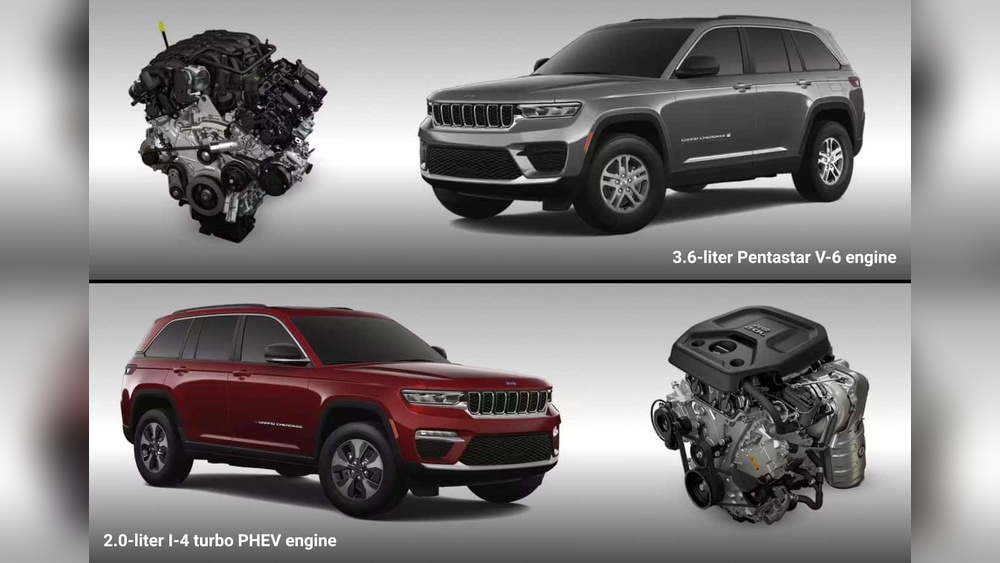
Understanding Weight Capacity
Every vehicle has limits. The most important ones for the Jeep Cherokee are:
- Payload capacity: How much weight you can load inside, including passengers and cargo.
- Towing capacity: How much your Cherokee can pull behind it, like a trailer or camper.
- Gross Vehicle Weight Rating (GVWR): The total maximum weight of your vehicle, including everything on board.
Knowing these numbers helps you avoid expensive mistakes and ensures you’re driving safely.
Jeep Cherokee Payload Capacity
The payload is the weight your Jeep can carry inside—passengers and cargo combined. This number changes depending on the model and year.
| Model Year | Payload Capacity (lbs) |
|---|---|
| 2022 Jeep Cherokee | 1,000–1,200 |
| 2021 Jeep Cherokee | 1,100–1,300 |
| 2018 Jeep Cherokee | 1,000–1,200 |
| 2015 Jeep Cherokee | 1,000–1,200 |
For example, if you have a 2022 Cherokee with a payload of 1,100 pounds, that includes the weight of all passengers plus luggage. If you and three friends weigh a total of 600 pounds, you have 500 pounds left for cargo.
Non-obvious tip: Most people forget to include the weight of things like roof racks, bike racks, or even heavy floor mats. All these count toward the payload.
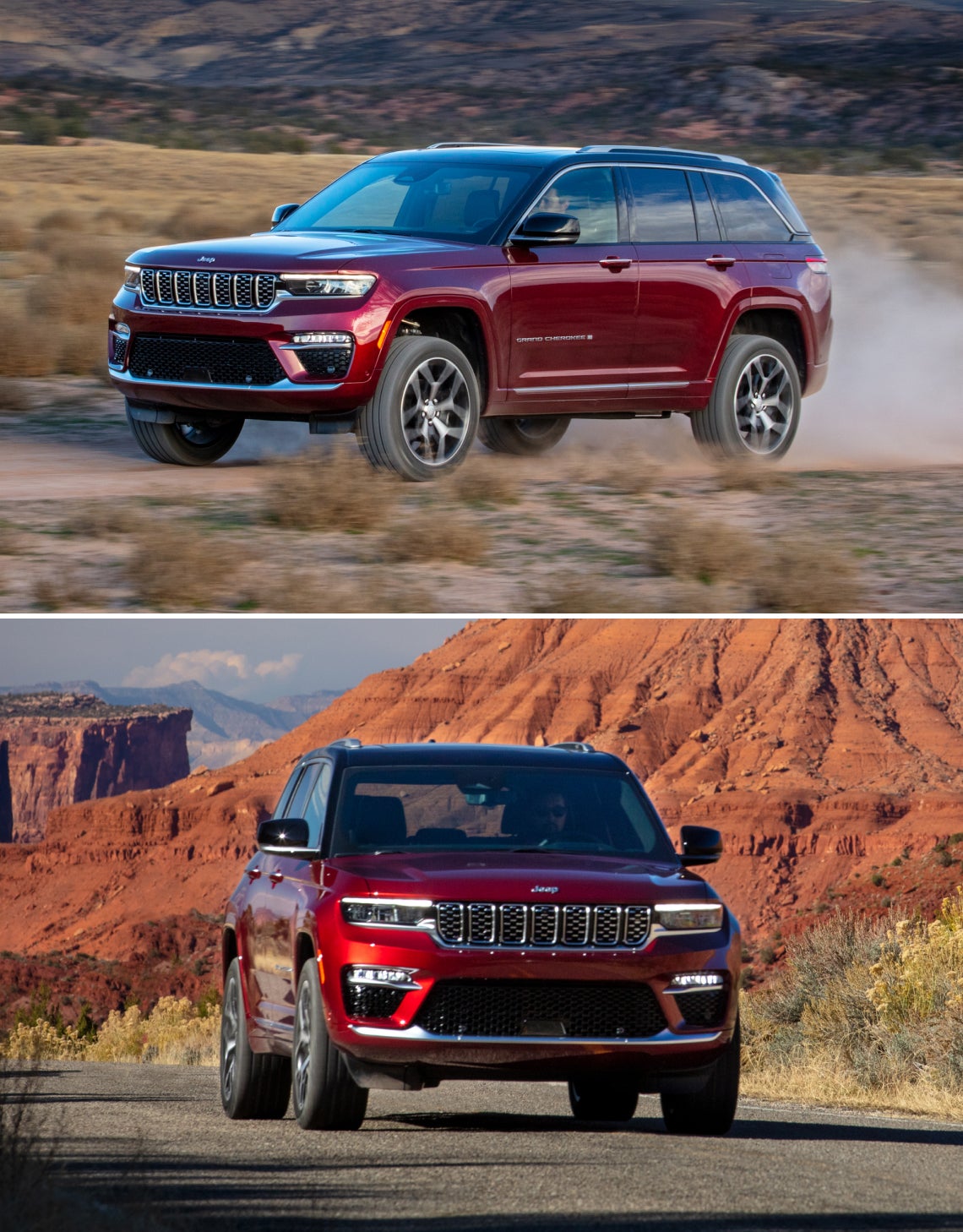
Jeep Cherokee Towing Capacity
The towing capacity is how much your Jeep can pull behind it. This varies with the engine and whether your Cherokee has a towing package.
| Engine Type | Towing Capacity (lbs) |
|---|---|
| 2.4L I4 | 2,000 |
| 3.2L V6 (no tow package) | 2,000 |
| 3.2L V6 (with tow package) | 4,500 |
Real-world example: If you have a V6 engine with a tow package, you can pull a small camper or boat up to 4,500 pounds. Without the tow package, you’re limited to 2,000 pounds.
Beginner mistake: Many people assume they can tow the highest number listed without checking their specific model or equipment. Always check your owner’s manual or the sticker inside the driver’s door.
Cargo Area Limits
The Cherokee has a spacious cargo area, but how much can it really hold? Here’s a quick overview:
| Cargo Area | Max Cargo Volume (cu ft) | Weight Capacity (lbs) |
|---|---|---|
| Behind rear seats | 25.8 | Approx. 200–400 |
| With seats folded | 54.7 | Approx. 500–700 |
Insight: The cargo volume is the space, but the weight you put in must stay under the payload limit. For example, you might fit a lot of lightweight camping gear, but heavy building materials can quickly max out the weight.
Roof Load Limit
If you use a roof rack, keep in mind the roof load limit. Most Jeep Cherokees can safely carry about 150–200 pounds on the roof. This includes the rack itself. Overloading the roof can hurt handling and damage the structure.
Expert tip: When mounting bikes or cargo boxes, make sure the load is evenly distributed and tightly secured. Loose or uneven loads can shift, causing accidents.
Why Weight Limits Matter
Exceeding your Jeep Cherokee’s weight limits can lead to:
- Poor handling: The vehicle may sway, bounce, or take longer to stop.
- Damage: Suspension, brakes, and tires can wear out faster.
- Legal issues: Overloaded vehicles can receive fines or void insurance.
- Safety risks: You’re more likely to lose control or cause accidents.
Hidden risk: Even small overloads, like an extra 100 pounds, can add stress over time. This reduces your Cherokee’s lifespan and increases repair costs.

How To Calculate Total Weight
To stay safe, follow these steps:
- Check payload: Find the rating in your owner’s manual or door sticker.
- Add passenger weight: Use actual weights, not estimates.
- Add cargo weight: Include luggage, gear, racks, and accessories.
- Check towing capacity: If pulling a trailer, add the trailer weight and what’s inside.
- Don’t forget fluids: Fuel, water, and other fluids add weight, too.
Practical example: If your Cherokee’s payload is 1,200 pounds, and you have 4 passengers at 150 pounds each (600 pounds total), you can safely carry up to 600 pounds of cargo, including anything attached to the roof.
Maximizing Your Cherokee’s Performance
If you want to carry more, consider:
- Upgrading suspension: Heavy-duty shocks or springs can help, but don’t exceed legal limits.
- Using a trailer: For big loads, towing is safer than overloading the cargo area.
- Distributing weight: Place heavy items low and near the center. This keeps your Cherokee stable.
Common mistake: Many drivers stack heavy cargo on the roof, which raises the center of gravity and makes the vehicle more likely to tip over.
Frequently Asked Questions
How Do I Find My Jeep Cherokee’s Weight Limits?
Check your owner’s manual or the sticker inside the driver’s door. It lists payload, GVWR, and towing capacity for your specific model.
Can I Carry More Weight If I Upgrade My Tires Or Suspension?
Upgrading parts can help with stability, but your legal weight limits stay the same. Never exceed the manufacturer’s ratings.
What Happens If I Overload My Jeep Cherokee?
Overloading can damage suspension, brakes, and tires. It also makes your vehicle unsafe and can void your warranty.
Does The Towing Package Increase Cargo Capacity?
No, the towing package only affects towing limits. Your payload and cargo area limits stay the same.
Are Roof Racks Safe For Heavy Loads?
Roof racks are safe for light to medium loads (150 200 pounds). Always check your Cherokee’s roof load limit and secure items properly.
Driving a Jeep Cherokee offers flexibility, but knowing its limits keeps you safe and protects your investment. Always check the numbers before loading up, and remember that weight limits are there for a reason. For more technical details, you can visit the official Jeep Cherokee site. Safe travels and smart packing will help your Cherokee last for years to come.



















