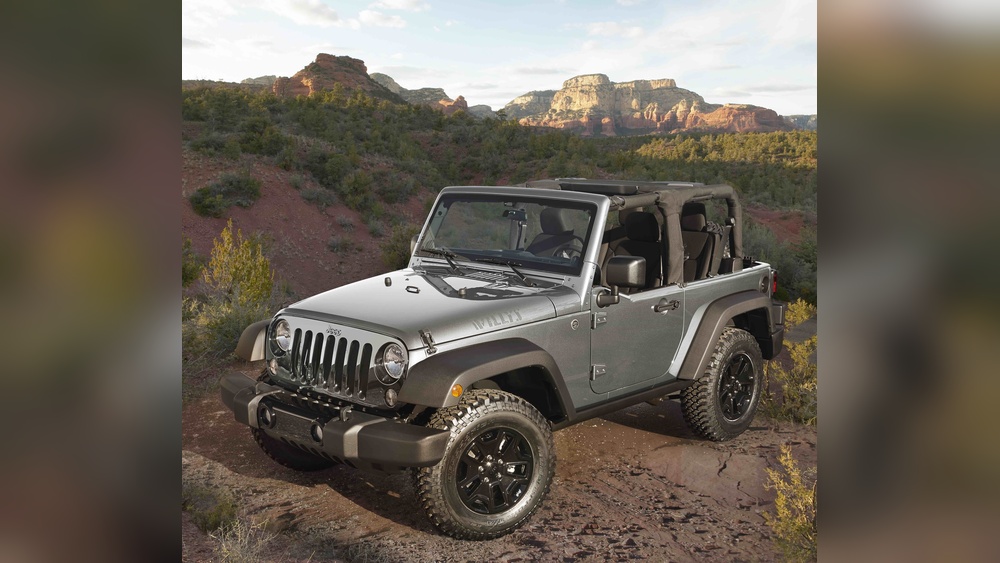
Wondering how much oil your 2013 Jeep Wrangler needs? Many Jeep owners face confusion about the right oil capacity, type, and best practices for changing oil.
Using the correct amount and type of oil keeps your engine healthy, boosts performance, and prevents expensive repairs.
Let’s break down everything you need to know about oil for your 2013 Jeep Wrangler in simple, clear steps.

How Much Oil Does A 2013 Jeep Wrangler Need?
The 2013 Jeep Wrangler comes with two main engine options. Each engine has a specific oil capacity:
- 3.6L V6 engine (most common): Needs 6 quarts (5.6 liters) of oil with a new oil filter.
- 3.6L V6 without oil filter change: Needs about 5.5 quarts (but always check the dipstick).
- Older 3.8L V6 engine (only in some late 2011/early 2012 models): Needs 6 quarts as well.
Always check your owner’s manual or the oil cap to confirm the exact number. Overfilling or underfilling can cause engine problems.
Choosing The Right Oil Type
Picking the right oil is just as important as the amount. The 2013 Jeep Wrangler’s recommended oil type is:
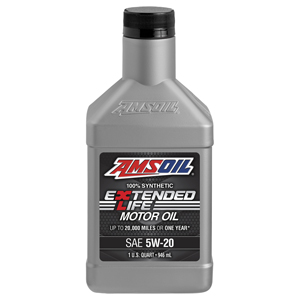
- SAE 5W-20 (conventional or synthetic)
Synthetic oil gives better protection, especially if you drive in extreme temperatures, tow, or drive off-road. While conventional oil is cheaper, synthetic lasts longer and can help your engine run smoother.
Oil Brand Examples
Some trusted brands include:
- Mopar (OEM)
- Mobil 1
- Pennzoil
- Castrol
Look for oils that meet Chrysler MS-6395 certification, which is required by Jeep.
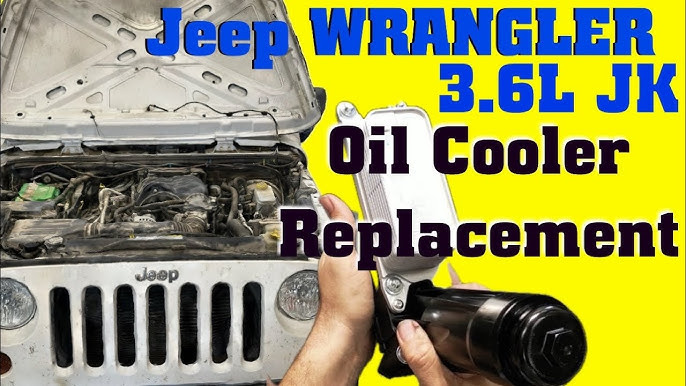
How To Check And Change Your Oil
Changing your oil at regular intervals is key for engine life. Here’s a quick step-by-step guide:
- Warm up the engine for a few minutes so oil flows out easily.
- Turn off the engine and let it cool slightly.
- Lift the Jeep using ramps or jack stands for safety.
- Remove the oil drain plug using a wrench; let old oil drain into a pan.
- Replace the oil filter with a new one.
- Install the drain plug back and tighten it.
- Pour in new oil (6 quarts for the 3.6L engine).
- Check the oil level with the dipstick; add more if needed.
- Start the engine and let it run for a minute, then recheck the oil level.
Don’t forget to dispose of the old oil responsibly at a recycling center.
Oil Change Intervals
Jeep recommends changing your oil every 6,000 miles or 6 months, whichever comes first, for normal driving. If you drive off-road, tow, or face extreme heat or cold, consider changing oil every 3,000–5,000 miles.
Why Regular Oil Changes Matter
Skipping oil changes can lead to:
- Engine sludge
- Increased wear
- Poor fuel economy
- Costly repairs
Regular oil changes are simple insurance for your Jeep’s engine.
Oil Filter Options
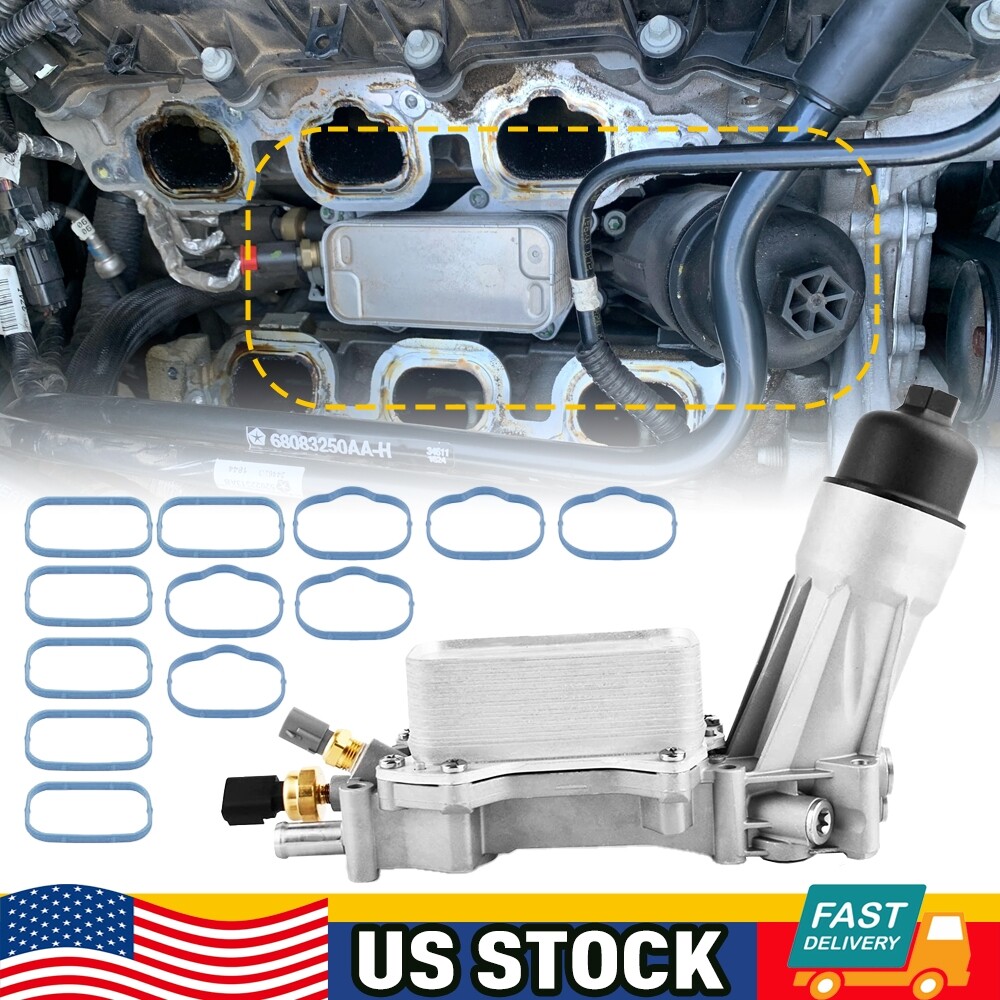
The oil filter is just as important as the oil itself. For the 2013 Wrangler, use:
- Mopar MO-744 (OEM)
- Fram XG10060
- K&N HP-2011
- WIX 57060
A high-quality filter ensures clean oil and better protection.
Common Mistakes To Avoid
Many Jeep owners make a few common mistakes:
- Overfilling oil – Too much oil can damage seals and increase pressure.
- Wrong oil type – Using 10W-30 or 5W-30 instead of 5W-20 can cause problems with modern engines.
- Not replacing the filter – Skipping the filter change leaves old contaminants in your system.
- Ignoring the dipstick – Always double-check the oil level after an oil change.
These small steps prevent big headaches later.
Oil Capacity Comparison
Here’s a quick comparison of oil capacities for popular Jeep Wrangler engines:
| Model Year | Engine | Oil Capacity (with filter) |
|---|---|---|
| 2013 | 3.6L V6 | 6 quarts (5.6 L) |
| 2012 | 3.6L V6 | 6 quarts (5.6 L) |
| 2011 | 3.8L V6 | 6 quarts (5.6 L) |
Synthetic Vs. Conventional Oil
Is synthetic oil worth it for your Jeep? Let’s compare:
| Oil Type | Benefits | Drawbacks |
|---|---|---|
| Synthetic | Better protection, lasts longer, better for extreme conditions | Higher cost |
| Conventional | Lower price, adequate for standard driving | Shorter life, less protection in harsh use |
Signs You Need An Oil Change
Watch for these signs:
- Dark or dirty oil on the dipstick
- Engine knocking or ticking sounds
- Oil smell inside the cabin
- Check engine or oil light on the dashboard
If you notice these, don’t wait—change your oil soon.
Practical Tips For Diy Oil Changes
- Always use a new washer for the drain plug to prevent leaks.
- Tighten the filter by hand; don’t over-tighten.
- Record the date and mileage of every oil change.
- Use a funnel to avoid spills.
These small details make DIY oil changes cleaner and safer.
Where To Find More Information
For official recommendations, check your owner’s manual or visit the Jeep Official Site. Always follow Jeep’s instructions for the best results.
Frequently Asked Questions
How Do I Know If My 2013 Jeep Wrangler Needs Synthetic Oil?
Jeep recommends SAE 5W-20 for all 2013 Wranglers, but you can use synthetic or conventional. Synthetic is better for extreme conditions or high mileage.
What Happens If I Overfill The Oil?
Too much oil can cause engine leaks, increased pressure, and damage to seals. Always add oil slowly and check the dipstick.
How Often Should I Check My Oil Level?
It’s smart to check your oil every 1,000 miles or before long trips, especially if you drive off-road.
Can I Use 5w-30 Oil Instead Of 5w-20?
No. The 5W-20 oil is designed for your Wrangler’s engine. Thicker oil like 5W-30 can harm performance and may void your warranty.
What’s The Best Oil Filter For A 2013 Jeep Wrangler?
Use a high-quality filter like Mopar MO-744, Fram XG10060, or WIX 57060 for the best protection.
Taking care of your Jeep Wrangler’s oil needs is simple, but it makes a big difference in performance and engine life. Stick with the right oil type, use the correct amount, and change oil regularly for worry-free adventures.