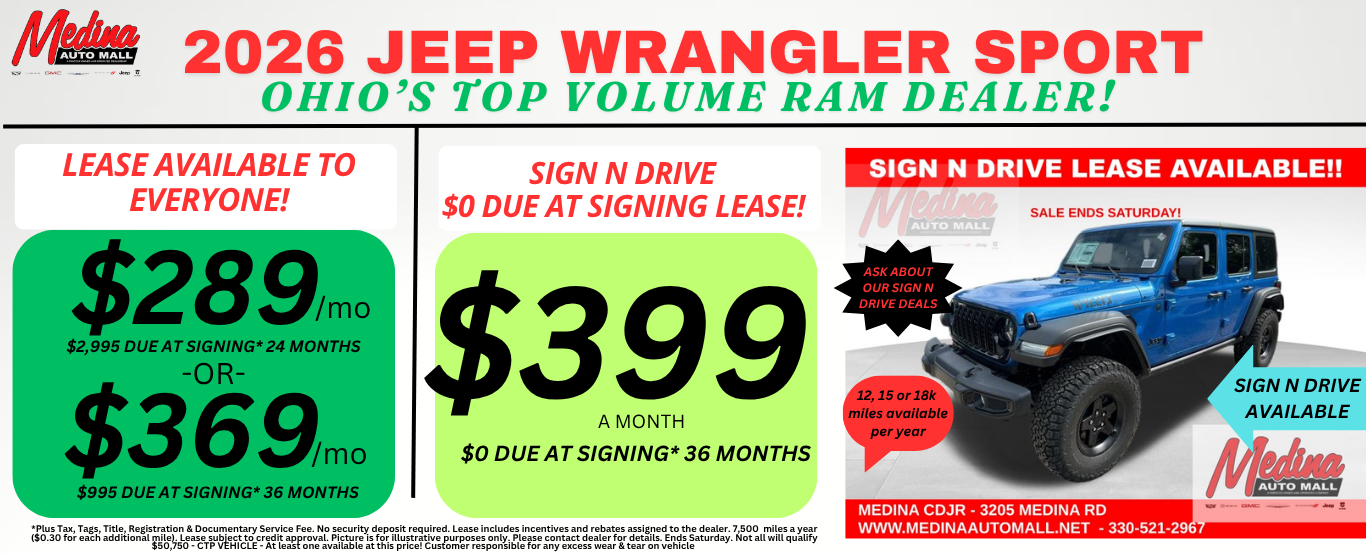
Leasing a Jeep Wrangler has become a popular choice for people who love adventure but want flexibility and lower monthly payments. Unlike buying, leasing lets you drive a new Jeep Wrangler without a big upfront cost.
Many drivers wonder, “How much is leasing a Jeep Wrangler?” The answer depends on several factors, including your location, the model you choose, and your credit score.
In this guide, you’ll learn what affects Jeep Wrangler lease prices, see sample costs, and get practical advice to help you decide if leasing is right for you.
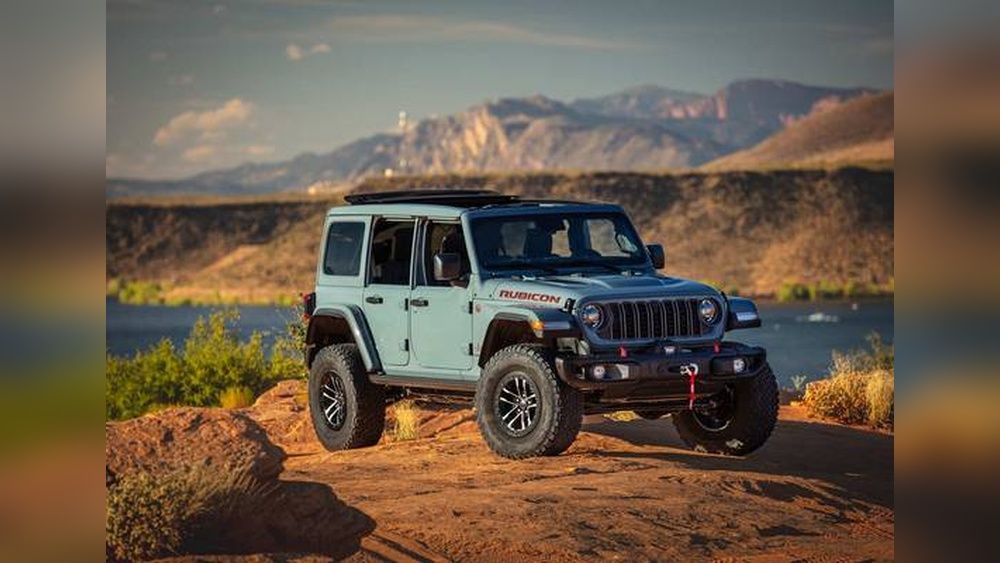
Jeep Wrangler Lease Prices: What To Expect
Most lease deals for a Jeep Wrangler fall between $350 and $600 per month. The exact price depends on trim level, lease length, mileage limit, and local promotions. It’s important to note that lease prices can also change during the year. For example, when new models arrive, dealers may offer special deals on outgoing inventory. If you’re flexible with your timing, waiting for these promotions can save you money.
Here’s a quick look at typical lease costs:
| Trim | Monthly Payment | Down Payment | Mileage Limit |
|---|---|---|---|
| Wrangler Sport | $360–$420 | $2,500 | 10,000/year |
| Wrangler Sahara | $430–$500 | $3,000 | 12,000/year |
| Wrangler Rubicon | $530–$600 | $3,500 | 15,000/year |
These prices are for a 36-month lease. Your payment may be higher or lower based on your credit score, dealer incentives, and how much money you put down. Choosing a different trim, like the Rubicon with off-road upgrades, will also affect your monthly cost. Adding optional features—such as leather seats, premium audio, or advanced safety tech—can raise your payment by $20–$50 per month.
Some people are surprised to learn that color and wheel choices, or even adding a hardtop, might influence your monthly payment slightly. Dealers sometimes offer lease specials on specific trims or option packages, so asking about all available deals can make a real difference.
Key Factors That Affect Jeep Wrangler Lease Cost
Several things change how much you pay each month:
- Trim and Options: Higher trims like Rubicon cost more because of extra features. Standard features and packages such as navigation, heated seats, or upgraded sound systems can each add a few dollars to your monthly payment. Even small upgrades, like all-weather floor mats or tow hooks, might be included in your total lease cost.
- Lease Length: Most leases are 36 months. Shorter leases have higher payments. Some people choose 24- or 48-month terms, but keep in mind that the longer you lease, the lower your monthly payment tends to be. However, longer leases can mean higher total costs over time.
- Mileage Limit: 10,000–15,000 miles per year is standard. More miles mean a higher payment. If you exceed the mileage limit, you’ll pay extra at the end of your lease, so try to estimate your yearly driving accurately. Some drivers negotiate higher mileage upfront to avoid big fees later.
- Down Payment: More money down reduces monthly costs. If you want the lowest payment possible, consider putting extra cash upfront. But remember, if you have an accident or the car is stolen early in the lease, you may not get your full down payment back.
- Credit Score: Good credit gets better deals. A score above 700 can save you hundreds over the lease. If your score is below 650, you may pay more or even get denied for leasing. Improving your credit before applying can make a big difference.
- Location: Prices can be higher in big cities or places with high taxes. Local incentives can sometimes offset these higher costs, so always check with multiple dealers in your area.
Here’s how location affects your lease price:
| City | Monthly Payment (Sport Trim) | Taxes/Fees |
|---|---|---|
| Los Angeles | $390 | $48/month |
| Houston | $370 | $28/month |
| New York | $410 | $54/month |
If you live in a rural area, you might find slightly lower prices and less competition for popular trims. In urban areas, high demand can push lease prices up, especially during busy seasons.
Comparing Leasing Vs. Buying A Jeep Wrangler
Many people ask if leasing or buying is a better deal. Leasing is cheaper month-to-month but has limits.
Buying is more expensive upfront but gives you ownership. If you lease, you’ll often get to enjoy the latest features, improved fuel economy, and updated safety systems every few years without worrying about resale value.
| Factor | Leasing | Buying |
|---|---|---|
| Monthly Payment | $350–$600 | $650–$850 |
| Ownership | No | Yes |
| Down Payment | $2,500–$3,500 | $4,000–$6,000 |
| Mileage Limit | Yes | No |
| End-of-Term Options | Return or Buy | Keep or Sell |
Leasing is best for drivers who want a new car every few years and don’t drive long distances. If you like to customize your Jeep (such as adding lift kits or special tires), buying is a better choice, because most leases restrict modifications.
Buying is also better for people who keep cars longer or drive a lot. Over time, owning means you stop making payments, while leasing means you always have a monthly bill if you keep getting new vehicles.
One extra insight: If you’re unsure about your future needs, leasing gives you flexibility. For example, if your job or family situation might change, you can switch vehicles every few years without selling your car.
Extra Costs To Watch For
Some beginners forget about hidden fees with leases. These can surprise you at the end:
- Excess mileage: $0.15–$0.25 per mile over the limit. For example, driving 2,000 miles over could cost $300–$500 extra.
- Wear and tear: Charges for scratches, stains, or dents. Even small damages, like windshield chips or worn tires, can add up.
- Disposition fee: Usually $350–$500 when you return the car. This covers the dealer’s cost to prepare the vehicle for resale.
- Early termination fee: Costs if you end the lease early. This can be several thousand dollars, so try to finish your full lease term if possible.
Ask your dealer to show all fees before you sign. Check your lease contract for details.
Also, some leases require higher insurance coverage, which can increase your monthly expenses.
A detail many overlook: Some dealers offer “wear and tear protection” plans. These cost extra, but can save you money if you’re worried about small damages.
Tips For Getting The Best Jeep Wrangler Lease Deal
- Shop around: Compare offers from several dealerships. Prices can differ by hundreds of dollars, even for the same model.
- Negotiate: Dealers often have room to lower payments or waive fees. Don’t be afraid to ask for a better deal or extra perks, like free oil changes.
- Check incentives: Look for manufacturer lease specials or loyalty discounts. Sometimes, holiday events or end-of-year sales offer the best deals.
- Understand your needs: Choose the right mileage limit. Paying for miles you won’t use is a waste. If you only drive 8,000 miles a year, ask for a lower mileage lease to save money.
- Read the fine print: Ask about fees, insurance, and end-of-lease options. Understanding what happens at lease-end can help you avoid surprises.
- Consider trade-ins: Dealers may offer lower payments if you trade in your old car. Even if your current vehicle has a loan, you may be able to roll the value into your new lease.
A non-obvious tip: Some dealers have extra incentives for certain professions, like teachers or military members. Ask about these discounts, even if you don’t see them advertised. If you’re a recent college graduate, you might also qualify for special lease programs.
Another insight: If you’re planning to buy out the lease at the end, check the residual value. Sometimes, the buyout price is higher than the car’s market value. It’s wise to research used Jeep Wrangler prices before making your decision.
Frequently Asked Questions
How Much Is The Average Monthly Payment To Lease A Jeep Wrangler?
Most people pay $350–$600 per month for a Jeep Wrangler lease, depending on trim, lease length, and location. Extra features and local taxes can push your payment higher.
What Is The Typical Down Payment For Leasing A Jeep Wrangler?
You’ll usually need a down payment of $2,500–$3,500. This can vary with dealer promotions or credit score. Sometimes, zero-down leases are available, but monthly payments will be higher.
Are There Extra Fees When Leasing A Jeep Wrangler?
Yes, expect disposition fees, excess mileage charges, and possible costs for wear and tear. Always ask for a list of fees before signing. Some leases require a security deposit as well, but this is becoming less common.
Is Leasing Cheaper Than Buying A Jeep Wrangler?
Leasing has lower monthly payments but buying gives you ownership. Over several years, buying can be cheaper if you keep the car.
If you trade cars often, leasing might cost less overall.
Where Can I Find Current Jeep Wrangler Lease Deals?
Check official Jeep dealer websites or the manufacturer’s site. For example, you can visit Jeep Official Site for current offers. It’s also helpful to check local dealer websites for regional specials.
Leasing a Jeep Wrangler can be a smart choice if you like new vehicles, want lower monthly payments, and drive within set limits. Before you sign a lease, compare offers, understand fees, and pick the right trim for your lifestyle.
With the right information, you can enjoy your Jeep Wrangler adventure without surprise costs. Remember to ask detailed questions and read your contract carefully being well-informed is the best way to get a great lease deal.